
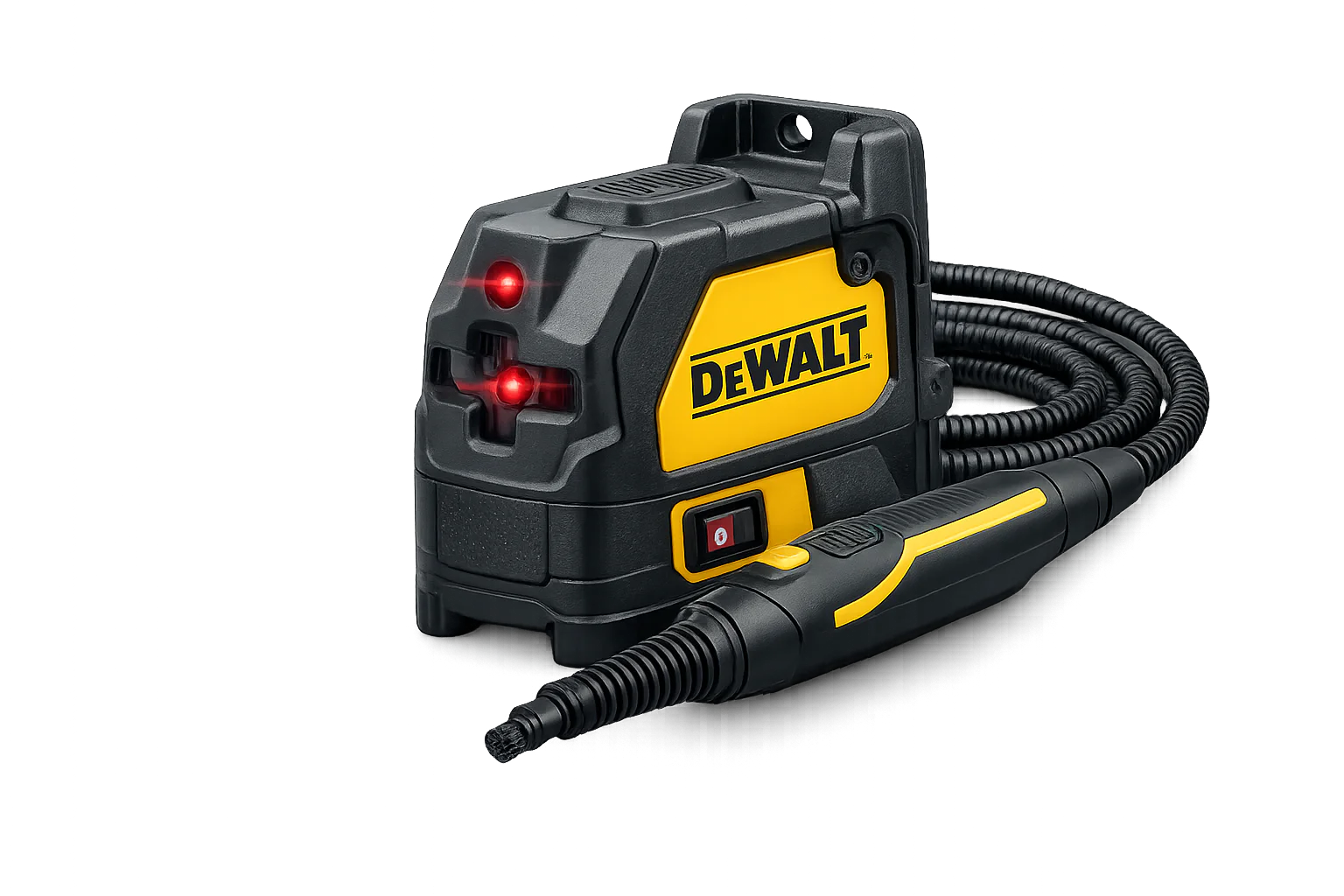
Spot levels
Point levels for precise marking, installation, and inspection
Point levelers are laser measuring instruments designed for transferring points, checking verticals and horizontals, aligning elements, and monitoring installation lines. They are a valuable aid in construction, finishing work, installations, furnishing, suspended ceilings, partition walls, electrical work, plumbing, and workshop maintenance tasks. The compact design allows for use in tight spaces, and the clear laser projection facilitates precise positioning without the need for lengthy marking with a pencil, plumb bob, or spirit level.
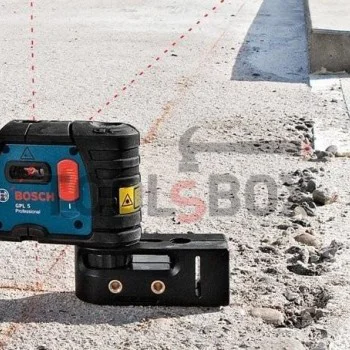
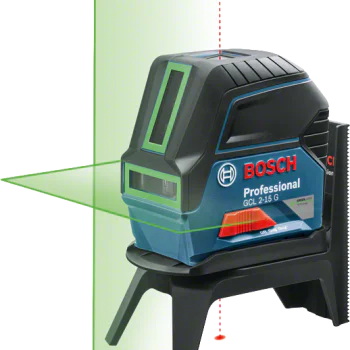
Unlike linear laser devices, which project visible lines onto a surface, point laser models mark one or several points. This principle is very convenient for transferring a plumb line from floor to ceiling, setting axes, aligning frames, marking openings, and checking right angles. Point lasers are used on their own or in conjunction with other measuring tools when the task requires compactness, quick orientation, and a precise reference point.
What Do Point Laser Devices Include?
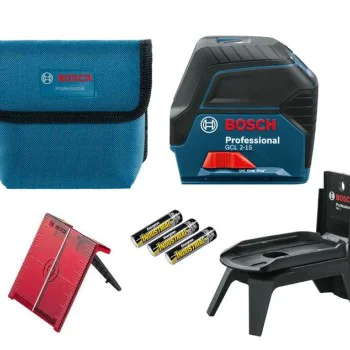
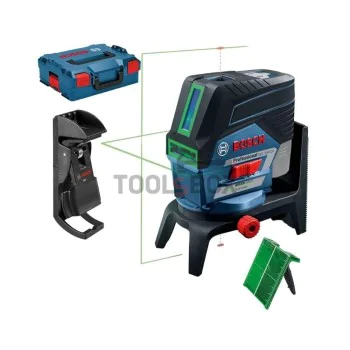
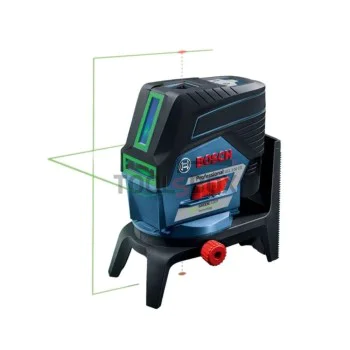
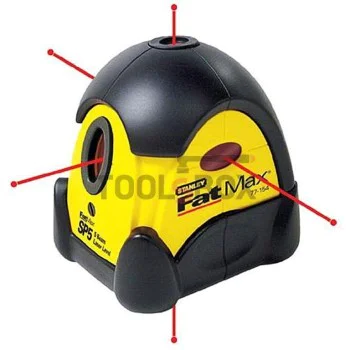
This section of Toolsbox.bg features models with varying numbers of laser points, working ranges, accuracy classes, power sources, and mounting methods. Some devices project two points-up and down-while others use three or five points for more comprehensive spatial control. When installing structures on walls and ceilings, a larger number of points saves time, as it allows for simultaneous orientation in multiple directions.
Point levelers with a self-leveling function correct minor deviations in the housing and project a stable line onto the work surface. When inclined positioning is required, locking the pendulum protects the mechanism and allows for a fixed angled projection. When selecting a model, consider beam visibility, laser color, working distance, tripod thread, magnetic mount, and the housing's protection against dust and accidental impacts.
Applications in construction, renovation, and installation
Point lasers are used in professional work on construction sites and for precise home repairs. They facilitate the placement of metal profiles for drywall, the installation of light fixtures, the transfer of points for ceiling openings, and the alignment of cabinets, shelves, doors, window frames, and plumbing fixtures. For electrical installations, they are convenient for marking boxes, switches, and lighting routes along a single axis.
For floor and ceiling work, the laser dot serves as a precise plumb line, without the swaying and waiting associated with a traditional weighted plumb line. When installing furniture and interior elements, the device helps ensure precise placement of fasteners and holes. In service and production facilities, it is used for positioning racks, machines, pipe elements, and load-bearing structures when repeatability in marking is required.
Criteria for choosing a point level
The right choice starts with the tasks to be performed. For one-off installations and home use, a compact model with two or three points is often sufficient. For professional use in construction, installation crews, and intensive service work, a practical tool features more projection points, a sturdy housing, good visibility, and the ability to mount on a tripod or metal base.
- Number of laser points: two points for plumb lines, three points for basic layout, five points for more complex spatial tasks.
- Working range: the longer distance is useful for large rooms, warehouses, and long corridors.
- Accuracy: a lower deviation is preferred for fine installations, cladding, window frames, and furniture.
- Beam color: a green laser is more visible in bright light, while a red one is often practical for standard indoor tasks.
- Power supply: Batteries or rechargeable battery, depending on usage frequency and required runtime.
- Mounting: A tripod thread, magnetic mount, clamp, or tabletop base provide more secure positioning.
Laser accuracy and visibility
When working with a point laser device, accuracy depends on stable placement, the self-leveling mechanism, and the visibility of the point on the surface. Light-colored walls, strong sunlight, or long distances reduce the beam's contrast, so in more challenging conditions, it's wise to choose a model with a brighter projection or compatibility with a receiver, when the manufacturer provides it. For indoor renovations at short distances, compact devices perform very well, while for larger projects, a more robust housing and extended range are significant advantages.
Compatibility with Accessories and the Work Environment
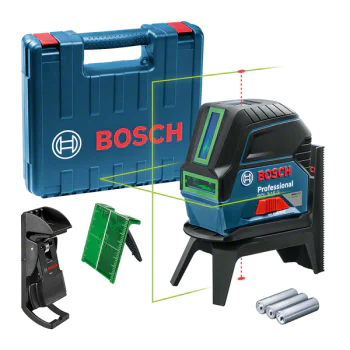
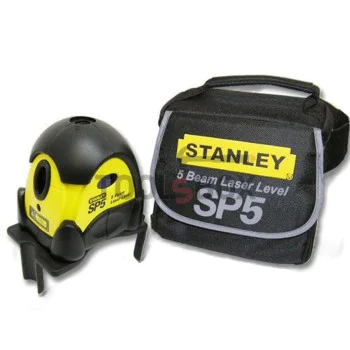
Point levelers work best with a stable support. A tripod allows for height adjustment, a magnetic mount attaches to metal profiles, and clamps are convenient for mounting on pipes, frames, and structures. Check the device's threading against available stands and accessories to avoid incompatibility on-site. A case or carrying case protects the device during transport between work sites, and spare batteries are useful for long workdays.
Safe Operation and Maintenance
The laser beam must not be directed at the eyes of people or animals. During operation, the device must be stable, away from edges, vibrations, and wet surfaces. After completing the task, it is advisable to lock the pendulum, if the design allows it, to protect the mechanism during transport. Clean the laser's housing and windows with a soft cloth, without using harsh chemicals that could damage the optics.
Point lasers are a practical choice for craftsmen, installers, technicians, and discerning DIYers who value precise markings and organized work. Browse the selection at Toolsbox.bg and choose a model based on the range, number of points, mounting method, and the conditions in which you will be working.