
Download cables
Cable pulling for fast and controlled installation
Cable pulling encompasses tools and accessories for running electrical, communication, and low-voltage lines through pipes, conduits, corrugated hoses, suspended ceilings, utility shafts, and construction routes. When working on electrical installations, network cabling, video surveillance, building automation, or service cable replacement, the right pulling tool saves time, reduces stress on the cable, and makes installation more predictable.
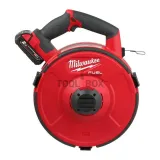
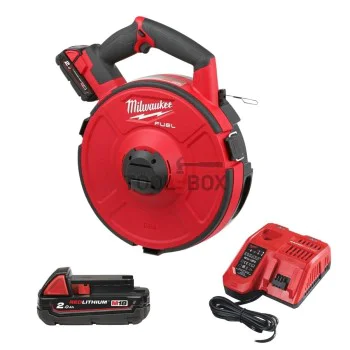
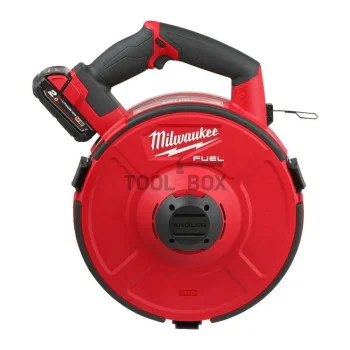
At Toolsbox.bg, this section focuses on cordless tools and includes solutions for working without a power cord on-site. Cordless cable pulling machines are practical for installations in new construction, home renovations, industrial facilities, office buildings, and locations with limited access to the electrical grid. They facilitate even pulling, force control, and more comfortable operation on long or complex routes.
What Do Cable Pulling Tools Include
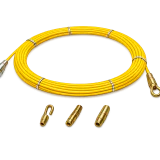
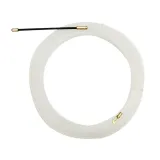
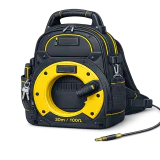
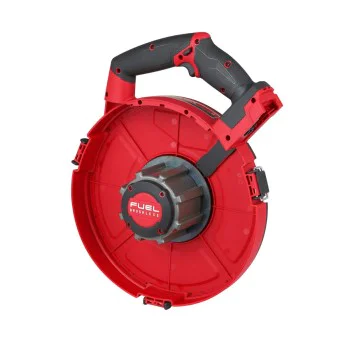
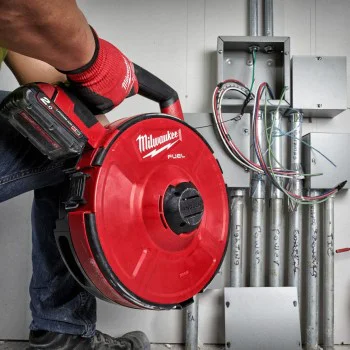
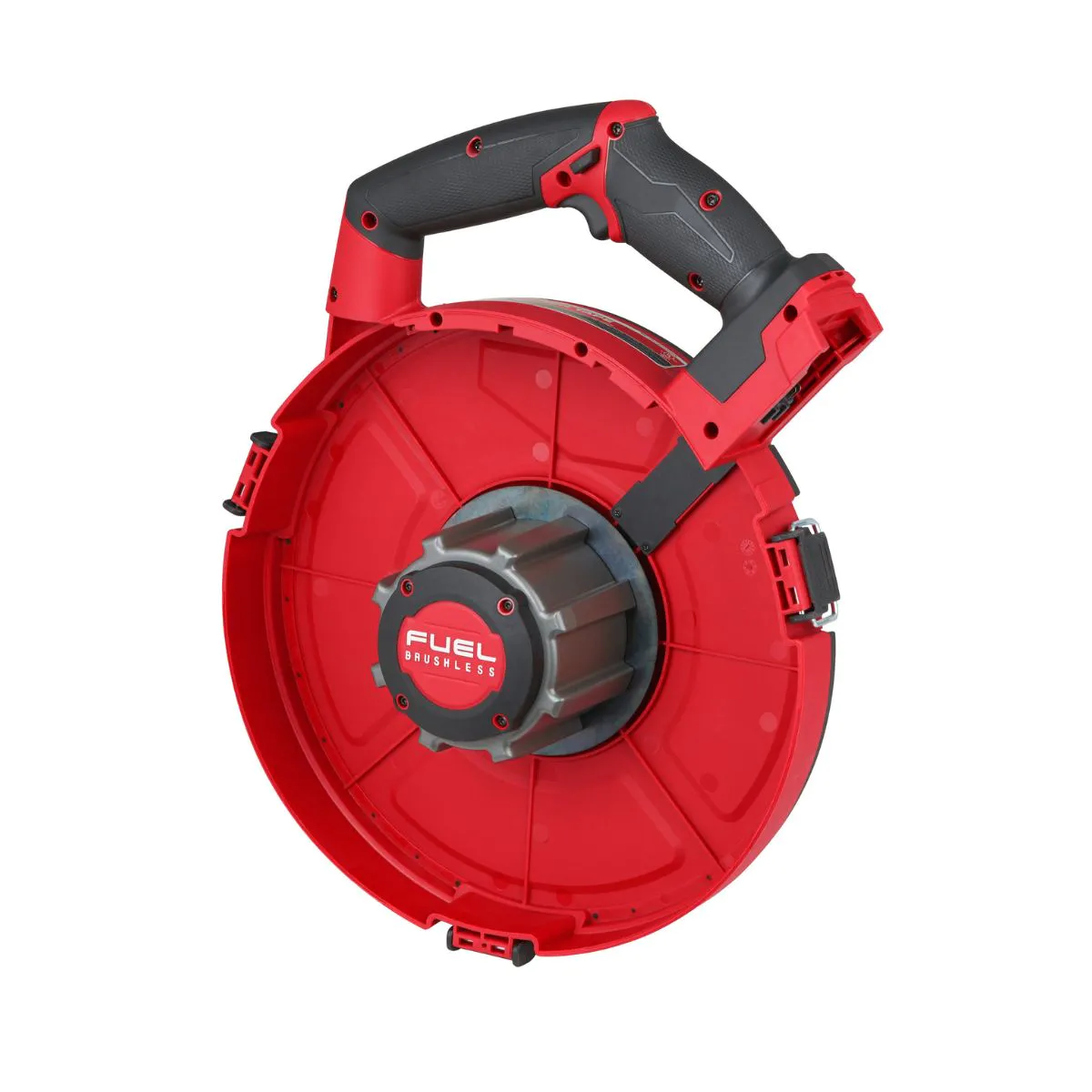
Cable pulling tools vary in operating method, pulling force, compatible accessories, power source, and application. For lighter tasks, guides, probes, flexible rods, and cable fish are used for pulling through short sections. For heavier installations, battery-powered pulling machines are preferred, which assist cable movement via a drive mechanism, reel, rope, or special head.
Electrical installation work often involves various types of cables-power, signal, coaxial, LAN, telephone, or control. Each type has its own flexibility, allowable tensile force, and minimum bending radius. Therefore, the choice of tool must correspond to the route, length, number of conductors, and the inner diameter of the pipe or conduit.
Main types of solutions
- Battery-powered pulling machines-for longer runs, work at sites without convenient power supply, and tasks involving repeated installation.
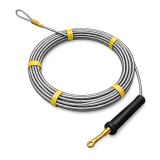
- Pullers and probes-for pulling cable through pipes, walls, ceilings, and floor ducts.
- Pulling ropes and straps-for attaching the cable to the guide element and transmitting the pulling force.
- End fittings, hooks, and clamps-for secure fastening without damaging the insulation.
- Rollers, edge guides, and auxiliary elements-to reduce friction at bends, shafts, and sharp transitions.
Applications in Installation and Maintenance
Cable pulling tools are used in the installation of electrical systems in residential buildings, commercial facilities, industrial premises, and warehouses. They are useful for pulling cables through PVC pipes, metal conduits, corrugated hoses, and pre-prepared routes in walls or floor systems. In low-voltage installations, they help ensure a cleaner and more organized layout of power and signal lines, where insulation and the integrity of the conductors are critical.
In service work, these tools facilitate the replacement of old wires, the addition of a new line to an existing installation, or routing through hard-to-reach areas. The cordless format is convenient for working on different floors, in shafts, under ceilings, on construction sites, and in spaces where using extension cords hinders the workflow.
Criteria for selecting a cable pulling tool
When purchasing, it is wise to consider several technical and practical parameters. The first is the length of the route. Short, straight sections are often handled with a manual guide, while long lines with more bends require greater control over tension and stable guidance. The second parameter is the cable's diameter and type. Thicker power cables are heavier and have a larger contact area with the conduit, which increases pulling resistance.
The condition of the route also plays a significant role-the presence of bends, joints, narrow sections, moisture, dust, or construction debris. For complex routes, auxiliary rollers, flexible guides, and clamps are needed to distribute the load more evenly. For repetitive installations in a professional setting, ergonomics, the machine's weight, the method of changing accessories, and compatible rechargeable batteries deserve attention.
Power Supply and Ease of Use
Cordless tools offer freedom of movement and are particularly practical when installing at various locations within a single site. When selecting a tool, checking the battery voltage, capacity, charger, and compatibility with existing cordless platforms facilitates work planning. For intensive use, it is advisable to have a spare battery to avoid interruptions during prolonged operations.
An ergonomic handle, good weight distribution, and easy access to the controls are important when working overhead, in tight spaces, or when holding the tool for extended periods. On models with variable speed, the operator controls the smooth movement of the cable and reduces the risk of sudden loads.
Compatibility, Safety, and Maintenance
Compatibility between the machine, guides, cables, and clamps directly affects the result. An incorrect tip or a cable that is too thin increases the risk of slipping, fraying, or damage to the insulation. When working with electrical cables, the route must be secured, and installation must be performed in compliance with electrical safety requirements. The pulling force must not exceed the permissible force for the specific cable, and sharp edges must be protected with guides or rollers.
Maintenance includes cleaning the guides, inspecting the ropes for wear, checking the clamps, and storing accessories in a dry place. For cordless tools, it is recommended to charge the batteries using an original or compatible charger and to protect them from impacts, moisture, and heavy contamination. Regular inspection of moving parts ensures smooth operation and reduced wear.
A practical choice for electricians and discerning DIYers
Pulling cables is a task where the right tool makes the difference between difficult manual installation and organized, controlled work. For professionals, these solutions support mass installations, service tasks, and work on projects of varying complexity. For DIYers, they are useful for repairs, adding outlets, internet lines, lighting, or security systems.
Browse the offerings at Toolsbox.bg and choose a cable pulling tool, guide, or accessory based on the route, cable type, and method of work. This way, the equipment will meet the actual installation requirements and provide better control during every pull.