
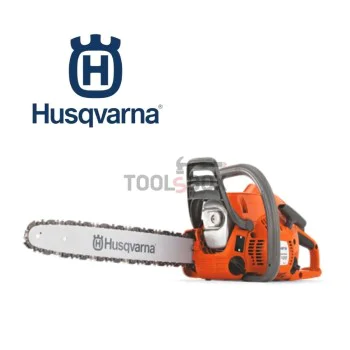
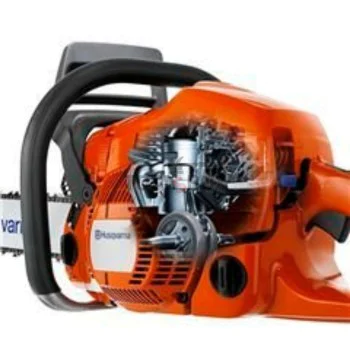
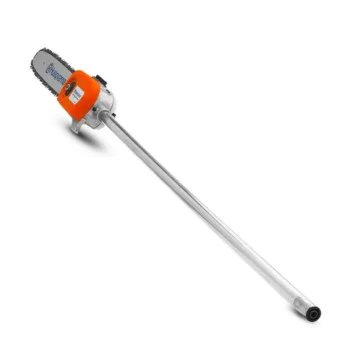
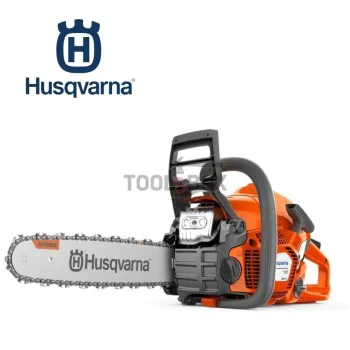

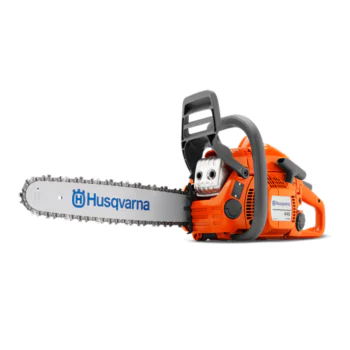
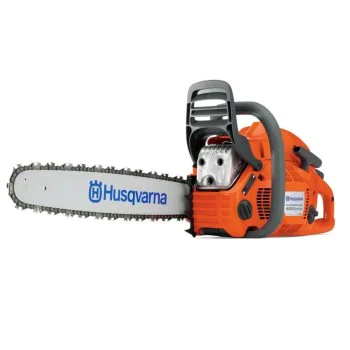
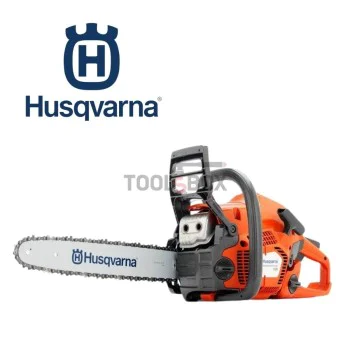

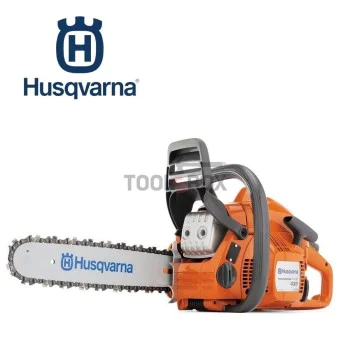

Petrol chainsaws for wood
Gas-powered chainsaws for the yard, the forest, and the job site
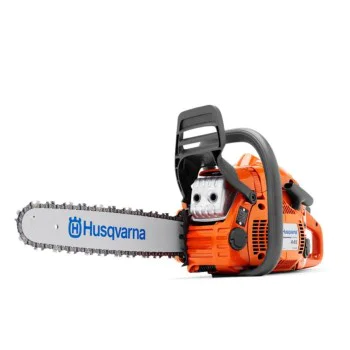
Gas-powered chainsaws are a practical choice for cutting logs, preparing firewood, pruning branches, maintaining yard areas, and working in locations without an electrical supply. They combine mobility, autonomy, and good performance for tasks of varying intensity. Unlike corded machines, a gas-powered chainsaw isn't limited by a cord and remains convenient for use in areas outside the workshop, warehouse, or backyard.
Toolsbox.bg offers a selection of gasoline-powered chainsaws for residential, semi-professional, and professional use. The different models vary in engine power, bar length, weight, starting system, anti-vibration features, fuel tank capacity, and ease of maintenance. These parameters directly affect cutting speed, machine control, and fatigue during prolonged use.
Applications of Gas-Powered Wood Chippers
Gas-powered chainsaws are used for seasonal preparation of firewood for fireplaces, stoves, or boilers; shaping timber; clearing debris after storms; pruning thicker branches; and cutting fallen tree trunks. When maintaining a property outside of a populated area, the machine saves time and effort, as it operates independently with a fuel mixture and chain oil.
Lighter models are convenient for home use, garden maintenance, and working at heights where weight matters. Medium-power machines handle more common tasks around a house, farm, woodpile, or small workshop. The more powerful models are designed for intensive cutting of thicker logs, harder wood, and prolonged workloads, where a stable engine and the right guide bar are crucial for performance.
Choosing a Gas-Powered Chainsaw Based on the Task
When choosing a gas-powered chainsaw, it makes sense to match the machine to the actual type of work. For branches, fruit trees, and thinner logs, a more compact chainsaw is easier to handle and puts less strain on your arms. For regular firewood cutting, models with higher power, a longer bar, and a stable oil supply to the chain perform better.
- Engine power: affects the ability to cut thicker and harder wood.
- Bar length: a shorter bar offers better maneuverability, while a longer one makes it easier to work with large logs.
- Machine weight: a lighter weight is more comfortable for pruning and longer operations.
- Anti-vibration system: reduces fatigue and improves control during repetitive cuts.
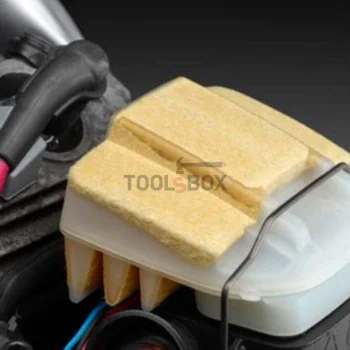
- Start-up and maintenance: easy access to the filter, spark plug, caps, and chain tensioning saves time during maintenance.
Bar, chain, and compatibility
The bar and chain are among the most heavily loaded components on any gas-powered chainsaw. The bar length must match the engine power to maintain good control and a smooth cut. Chains vary in pitch, guide bar width, and number of links, so compatibility with the corresponding bar is directly related to safety and work performance.
For a clean and quick cut, the chain must be sharpened, properly tensioned, and lubricated with chain oil. A dull or overly tight chain increases the load on the engine, raises fuel consumption, and makes handling difficult. When regularly preparing firewood, it is helpful to keep a spare chain, a suitable sharpening file, and chain oil on hand.
Safety When Working with Gas-Powered Chainsaws
Gas-powered chainsaws operate at high chain speeds and require a stable stance, a firm grip, and protective gear. Safety goggles or a helmet, ear protection, gloves, sturdy shoes, and work clothes reduce the risk of injury from flying chips, noise, vibrations, and contact with the wood. The chain brake, hand guard, and proper tension are elements that must be checked before cutting.
The work area must be cleared of rocks, metal objects, and loose branches. When cutting logs, a stable support is needed to prevent the guide bar from getting stuck. When felling or cross-cutting large trunks, a preliminary assessment of the tension in the tree, the direction of fall, and the clear space around the operator is required.
Maintenance, Fuel Mixture, and Consumables
Keeping the engine and cutting system in good condition extends the machine's lifespan and maintains consistent performance. Gas-powered chainsaws typically run on a fuel mixture of gasoline and two-stroke oil in the ratio specified by the manufacturer. Separately, chain oil is used to reduce friction between the bar and the chain.
After use, the body, air filter, guide bar, and the area around the drive sprocket should be cleaned of dust, resin, and chips. Regular inspection of the spark plug, filters, caps, starter, and fasteners helps the machine maintain stable performance throughout the season. With more intensive use, consumables such as chains, guide bars, saw blades, oils, spark plugs, and filters are part of normal maintenance.
Gas-powered chainsaws at Toolsbox.bg
The gasoline-powered chainsaws in this selection cover a range of needs-from occasional home maintenance to more serious woodworking. When reviewing the models, compare power, weight, bar length, chain type, ease of maintenance, and available accessories. This way, your choice will be guided toward a machine that matches your work pace, the type of wood, and the expected workload.
Browse the offerings at Toolsbox.bg and choose gas-powered chainsaws, consumables, and accessories that will help you with cutting, pruning, and preparing wood throughout the season.