
Levels
Levels for precise measurements in construction, renovation, and installation
Levels for construction, renovation, and installation are precision measuring instruments used to check horizontal and vertical planes, transfer lines, align elements, and monitor slopes. They are essential for masonry, furniture installation, door and window installation, cladding, suspended ceilings, plumbing and electrical installations, flooring, formwork, and maintenance tasks. A well-chosen level reduces post-installation adjustments, facilitates more precise work, and ensures more reliable results at every step of the measurement process.
The selection at Toolsbox.bg includes various types of levels for manual checks, laser line projection, and more specialized leveling on construction sites. The models differ in operating principle, accuracy, length, range, visibility of markings, mounting method, housing, power source, and compatible accessories. This gives customers a real opportunity to choose a tool based on the tasks at the workshop, on-site, or at home.
Types of Levels and Their Practical Applications
Levels are not all the same in terms of purpose. For a quick check of levelness, a classic bubble level is often used, while when working on larger areas, a laser level significantly simplifies the transfer of straight lines onto walls, ceilings, and floors. For outdoor construction measurements, the optical level remains a valuable tool for checking heights and elevation differences.
| Level Type | Practical use | Distinctive features |
|---|---|---|
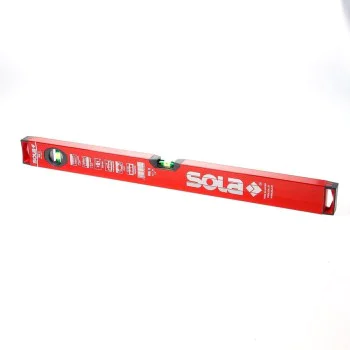
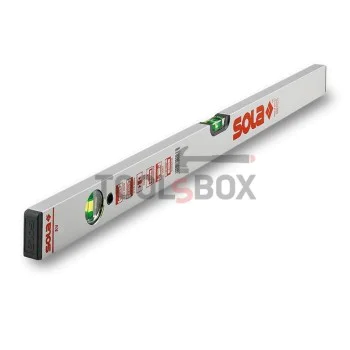
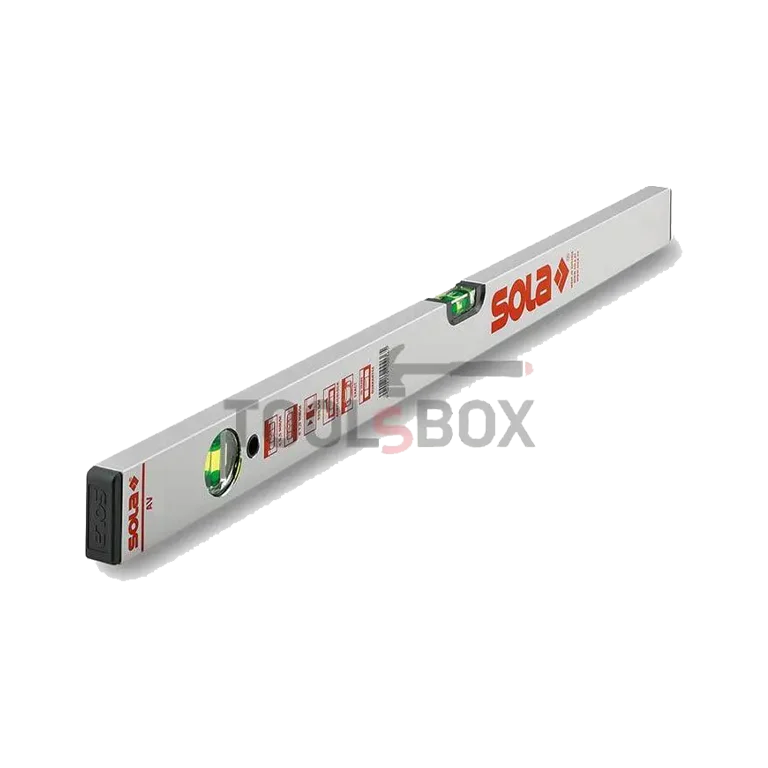
| Spirit level | Checking for level and plumb during installation, masonry, furniture work, and tiling. | Aluminum or other durable housing, one or more vials, various lengths, often with a magnetic base. |
| Laser level | Marking lines for tiles, drywall, suspended ceilings, shelves, outlets, doors, and windows. | Cross lines, point or rotary solutions, self-leveling, use with a tripod or stand. |
| Optical level | Construction measurements, elevation transfer, site and foundation control. | Working with a leveling rod, optical system, fine adjustment, and stable positioning on a tripod. |
| Hose level | Transferring elevations over distance during basic construction and repair work. | Operates on the principle of a spirit level, is easy to transport, and requires no power supply. |
| Digital level | Measuring slopes, angles, and levels for installation, carpentry, and maintenance tasks. | Display, readings in degrees or percentages, memory on some models, convenient for repeat measurements. |
How to choose a level based on the task
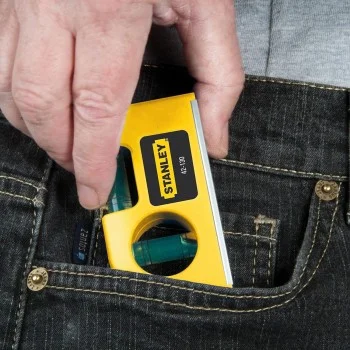
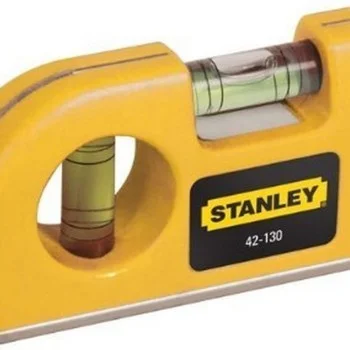
The choice starts with the type of work. For quick checks around furniture, doors, windows, and small repair tasks, a compact bubble level is practical. When laying tiles, building partition walls, installing kitchens, electrical outlets, or ceiling structures, a laser model is more convenient because it projects a visible line onto the work surface. For field measurements, foundation work, and construction supervision, optical or rotary solutions with a larger working range are preferred.
- Measurement type: horizontal, vertical, slope, angle, elevation, or transferring a line across multiple surfaces.
- Instrument length: short levels are convenient in tight spaces, while long ones provide more precise control for doors, profiles, countertops, and masonry.
- Accuracy: For fine finishing work, more precise readings and a clear scale are required.
- Housing and base: an aluminum profile, rubberized edges, a milled working surface, and a magnetic base facilitate work on metal structures.
- Visibility and range: For laser levels, the beam color, working distance, receiver compatibility, and stable mounting are important.
- Power supply: batteries or rechargeable battery for laser and digital models; no power supply for standard spirit levels and hose-type variants.
- Compatibility: Check for compatibility with a tripod thread, wall mount, magnetic strip, leveling rod, receiver, carrying case, and other accessories.
Levels for professional and home use
For craftsmen, construction crews, and installers, the level is an everyday measuring tool. During intensive work, a durable housing, clearly visible vials, stable self-leveling in laser models, convenient locking, and quick setup are highly valued. In a service or workshop environment, the compact size and magnetic base often save time when working with metal frames, machines, profiles, and mounting rails.
At home, the level is useful for installing shelves, pictures, window sills, light fixtures, appliances, kitchen cabinets, and decorative elements. Even for small repairs, a straight line prevents warping, uneven joints, and difficult adjustments. The cross-line laser model is convenient when there is more than one mounting point, while a small spirit level remains practical for quick checks and working in confined spaces.
Materials, Construction, and Maintenance
With spirit levels, the housing directly affects measurement stability. Aluminum profiles with well-protected edges better withstand daily transport and on-site work. The milled base ensures even contact with the surface, and clear vials with easily distinguishable markings facilitate reading. For digital models, a clear display, convenient buttons, and a housing that sits securely in the hand are useful.
Laser levels require care during transport and storage. It is best to store the device in a case or carrying bag, protect the optics from dust and scratches, and check the batteries before use. After an impact or a fall, it is advisable to perform a test measurement on a known level surface. When working with a laser beam, do not point the light toward your eyes and use goggles, a target, or a receiver depending on the task and the lighting conditions at the site.
Accessories for more accurate and convenient work
For many levels, accessories expand their range of applications. Tripods provide a stable position for laser and optical instruments, wall mounts assist with installation at height, and receivers facilitate work outdoors or over longer distances. Leveling rods are necessary for optical measurements, while magnetic holders and mounting brackets facilitate attachment to metal profiles. When selecting accessories, consider the thread type, working height, compatibility with the specific model, and the method of attachment.
Choose a level for your project at Toolsbox.bg
At Toolsbox.bg, you'll find levels for repair, construction, installation, service, and maintenance-from compact handheld tools to laser and optical solutions for more complex measurements. Browse the models, compare type, accuracy, size, range, power source, and compatible accessories, then choose a level that suits your tasks and work style.