
Small Air Compressors
Small air compressors for garages, repair shops, and installation tasks
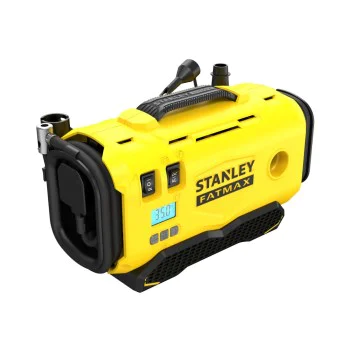
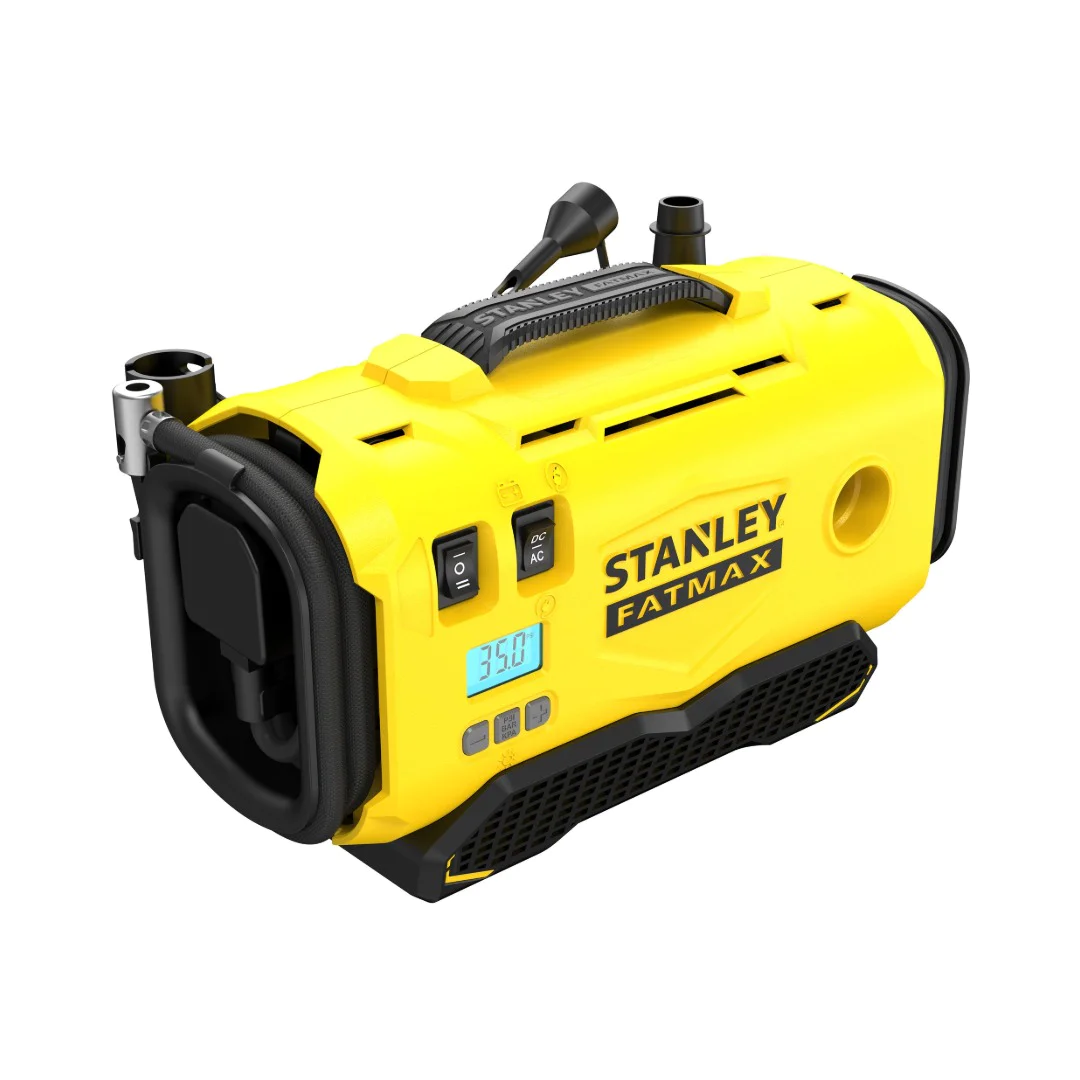
Small air compressors are a practical choice for working in places where compressed air, easy portability, and quick setup are needed. They are ideal for home garages, mobile service shops, workshops, construction sites, and for maintaining cars, bicycles, machinery, and equipment. The compact housing, lighter weight, and convenient carrying handle make it easy to move between different work areas without taking up much storage space.
The small air compressor section offers models for pumping, blowing, cleaning, painting small parts, and working with tackers, nail guns, pneumatic nozzles, and light air tools. They differ in tank capacity, flow rate, working pressure, power, lubrication type, noise level, and accessories. These characteristics determine whether a compressor is designed for short, intermittent operations or for longer periods of use with higher air consumption.
Applications of small air compressors
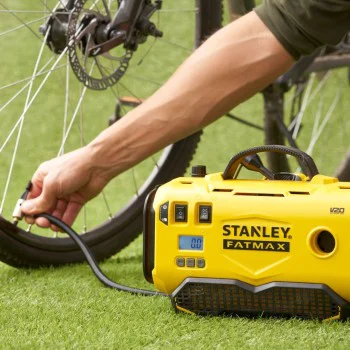
Compact compressors are valuable for tasks where a hand pump or spray bottle is insufficient, yet a large stationary machine is unnecessary. In automotive maintenance, they are used for inflating tires, blowing out filters, cleaning hard-to-reach areas, and powering air guns. At home and in the hobby workshop, they are convenient for installing baseboards, assembling furniture, fastening with a pneumatic staple gun, painting small surfaces, and maintaining sports equipment.
During construction and renovation work, the small compressor helps power light pneumatic tools, remove dust from openings, blow out pipes, and prepare parts before gluing, priming, or painting. For service teams, the advantages are mobility and quick connection to a standard electrical outlet for models with a power cord. For precision tasks such as airbrushing, decoration, and working on small parts, models with smooth pressure adjustment and a stable air flow are preferred.
Types based on design and operating mode
Oil-free small compressors
Oil-free compressors are preferred for clean applications where oil particles are not desired in the air line. They are suitable for pumping, blowing, airbrushing, small paint spray guns, and light assembly tasks. Maintenance is simpler since there is no need to monitor the oil level in the compressor head. The focus here is on compactness, clean air, and ease of operation.
Small oil-lubricated compressors
Oil-lubricated compressors rely on lubrication within the compressor block, which aids operation during heavier-duty cycles. They are suitable for service use, frequent operation with pneumatic tools, and tasks requiring high mechanical durability. With this type, oil levels must be monitored and the oil changed periodically according to the manufacturer's instructions to protect the machine from premature wear.
Compressors with a receiver and compact models without a large tank
The receiver stores compressed air and reduces the frequency of motor starts. Small compressors with a tank are suitable for nail guns, blowing, inflating, and short cycles with pneumatic tools. Models with a very small tank or without a large receiver are lighter and easier to carry, but are primarily intended for short operations that do not require high flow rates for extended periods.
Factors that influence the choice
When comparing small air compressors, the first things to look at are the working pressure and the air flow rate. The pressure indicates the force with which the compressor delivers air, while the flow rate indicates the volume of air per unit of time. For pumping and blowing, a lower flow rate is often sufficient, while tackers, paint spray guns, and some pneumatic tools require a more consistent supply.
The receiver tank's volume affects the smoothness of operation. A smaller tank is convenient for transport and storage, while a larger tank supports longer operations without constantly running the engine. Power is related to performance, but it is not the only factor-the compressor unit, cooling, the quality of the regulator, and proper sizing relative to the air consumer also matter.
Noise level also affects comfort in enclosed spaces. For a home workshop, studio, or small repair shop, a quieter model is more pleasant for frequent use. When working on-site, weight, dimensions, the handle, stable feet, and the length of the power cord facilitate movement and positioning.
Compatibility with accessories and pneumatic tools
A small compressor only performs at its best with the right accessories. The air hose, quick-connect fittings, blow gun, pressure gauge, regulator, moisture trap, and filters all affect convenience and results. For painting and airbrushing, a cleaner air line is required, while for pneumatic tools, it is desirable to match the tool's air consumption with the compressor's actual flow rate.
Before purchasing, it is wise to check the connection sizes, the type of couplings, the maximum hose pressure, and the need for an additional pressure-reducing valve. When working with a tacker or nail gun, stable pressure is important for consistent fastening of the fasteners. When inflating tires, kits with nozzles for cars, bicycles, balls, and inflatable items are convenient.
Safety, Care, and Long Service Life
The air compressor operates under pressure, so proper operation protects both the operator and the machine. The unit should be placed on a stable surface, away from moisture and flammable materials. Keep the ventilation openings clear to prevent the motor from overheating. After use, it is advisable to release the pressure and drain the condensate from the receiver through the drain valve. This helps prevent corrosion inside the tank.
For oil-powered models, monitor the oil level, and clean or replace the air filter depending on usage. Inspect hoses and connections for leaks, cracks, and wear. Safety goggles are a sensible precaution when blowing, as the air jet lifts dust, shavings, and small particles. When painting, wear a suitable mask and ensure good ventilation.
Choosing a small compressor based on the task
For basic pumping, blowing, and home maintenance, a lightweight model with compact dimensions and easy operation is practical. For staple gun applications, small repair jobs, and more frequent use, it is wiser to look for a compressor with a receiver, a pressure regulator, and a flow rate suited to the specific tool. For painting small parts and airbrushing, oil-free solutions, filtered air, and precise pressure adjustment are preferred.
Professional users typically look for durability under load, easy access to consumables, the quality of connections, and the ability to work with various pneumatic accessories. Discerning DIYers value compactness, low weight, convenient storage, and sufficient performance for real-world tasks in the garage or workshop.
Browse the small air compressors available at Toolsbox.bg and select a model based on the required flow rate, pressure, receiver capacity, lubrication type, and accessories. This way, you'll have a practical machine for maintenance, repair, installation, and clean work with compressed air.