
Insoles for shoes
Insoles for work, safety, and everyday shoes
Shoe insoles are a practical part of your gear for prolonged walking, standing, or working in a service center, warehouse, construction site, workshop, or garden. They improve the feel of the shoe, reduce strain on the foot, and promote better hygiene during a busy workday. When it comes to protective clothing and work shoes, a properly selected insole matters not only for comfort but also for stability, ventilation, and a secure footing.
This section features insoles for various types of work, safety, and everyday footwear. They are used in shoes with steel or composite toe caps, winter boots, low-cut work shoes, hiking models, rubber boots, and footwear for service activities. The different models vary in thickness, shape, material, cushioning, moisture-wicking, and how they fit the shoe size.
Why the Right Insoles Are Important for Work Shoes
Work shoes are often heavier and stiffer than standard everyday shoes, as they must protect the foot from impact, slipping, moisture, cold, or mechanical stress. Shoe insoles enhance interior comfort by cushioning contact with the foot and improving weight distribution during movement. This is beneficial during installation work, operating machinery, carrying materials, prolonged stair climbing, or walking on hard surfaces.
A well-chosen insole can reduce the feeling of fatigue in the heel, arch, and forefoot. In shoes worn every day, it also plays a role in hygiene, as some models are made from materials that wick away moisture and dry more easily. This is valuable for intensive professional use, but it is also useful for demanding home users who work in a garage, yard, workshop, or around the house.
Types of insoles by material and application
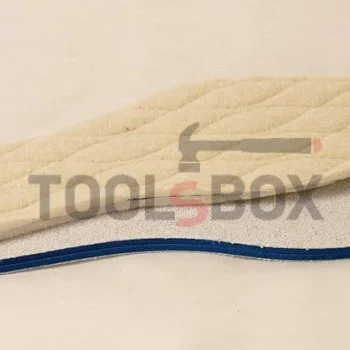
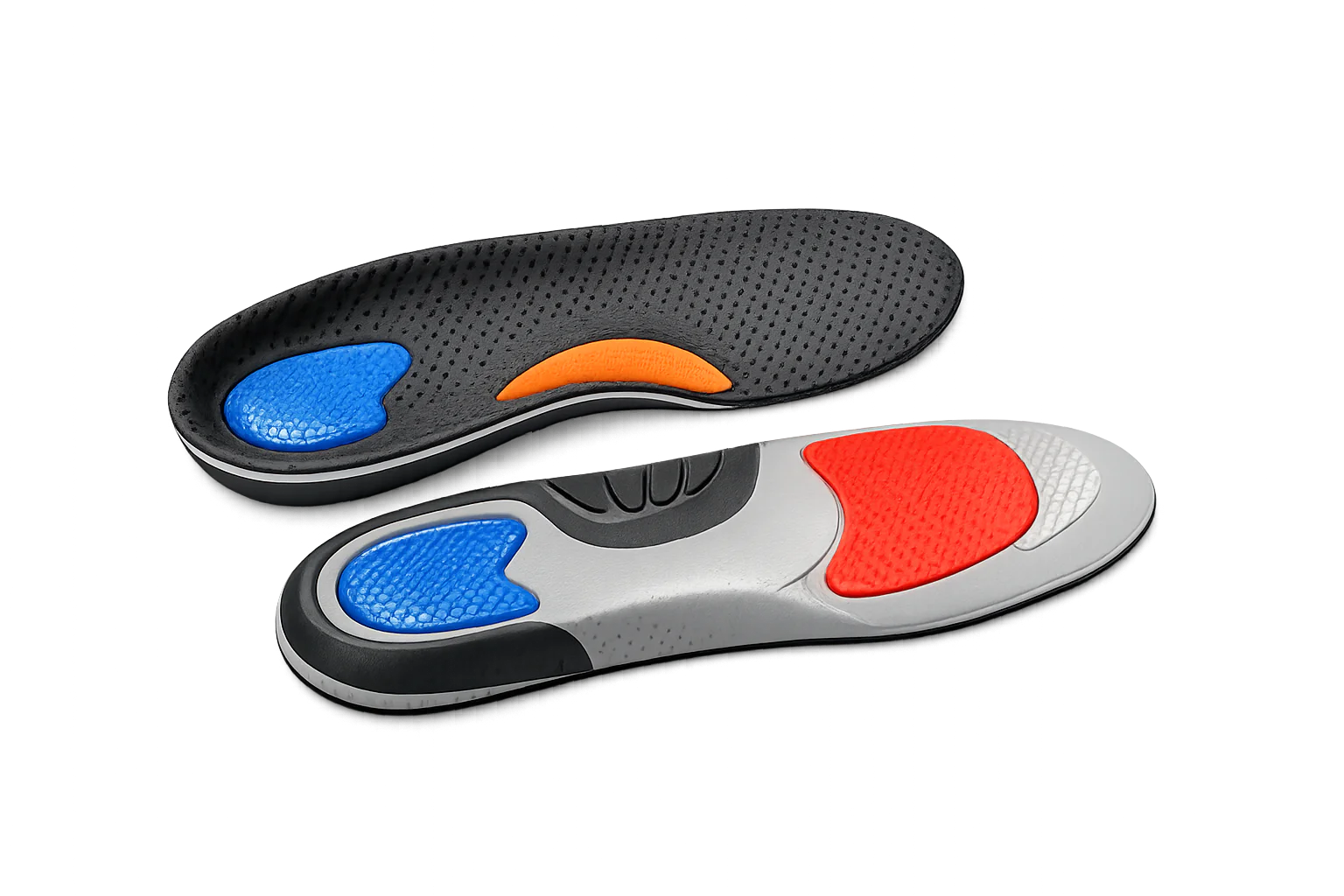
Shoe insoles come in various designs, with each material offering a different feel when walking and working. Thinner textile models are comfortable for shoes with limited interior space. Foam and latex provide softness and flexibility, while gel zones relieve pressure on the heel or forefoot. In cold weather, thermal insoles with an insulating layer are preferred, while in warm environments, breathable options with good moisture absorption are more valuable.
| Insole Type | Practical use | Key features |
|---|---|---|
| Textile insoles | Everyday and work shoes | Lightweight, thin, easy to replace |
| Foam or latex insoles | Prolonged walking and standing | Soft feel, flexibility, good cushioning |
| Gel insoles | Pressure on the heel and forefoot | Better shock absorption while walking |
| Thermal insoles | Working in cold conditions, winter shoes and boots | Thermal insulation and a more comfortable feel in low temperatures |
| Antibacterial or activated carbon | Intensive wear throughout the day | Odor control and better hygiene |
Selection based on size, shape, and compatibility
When choosing shoe insoles, size is the first consideration. Some models are available in specific sizes, while others are cut along a marked outline. For the cut-to-size option, it is best to carefully adjust the insole to the inside length of the shoe, ensuring it does not fold at the front and does not move freely while walking.
The shape of the shoe also affects comfort. Low-cut work shoes usually allow for a thinner insole, while boots and ankle boots often accommodate thicker models. For safety shoes with a toe cap, sufficient space must be maintained for the toes. An insole that is too thick can press against the foot, while one that is too thin will not provide the necessary support during a full day of work.
Compatibility is also important for shoes with antistatic properties or special protective features. In a professional setting, checking the requirements for work shoes and their insoles is a sensible part of the selection process. For standard home use, the key factors are comfort, size, a secure fit in the shoe, and ease of replacement.
Comfort, Safety, and Support
Shoe insoles should fit evenly inside the shoe, without creases or edges. An improperly placed insole can cause friction, instability, or strain on the foot. For shoes used in construction, repair, installation, and service work, it is recommended that the insole not reduce the foot's grip inside the shoe. Stable support is valuable when working with tools, carrying heavy loads, and moving on uneven surfaces.
Proper care extends the lifespan of the insoles and maintains a comfortable feel when worn. After work, it is advisable to air out the shoes and remove the insoles if necessary to allow them to dry. Models made of textile, foam, gel, or insulating materials have different cleaning requirements, so it is best to follow the manufacturer's instructions. Worn, deformed, or cracked insoles lose some of their properties and should be replaced.
Shoe insoles for professional and home use
Shoe insoles are used by craftsmen, installers, warehouse workers, technicians, gardeners, construction crews, and people who spend a lot of time on their feet. For professional use, durability, proper fit, and comfort throughout the workday are important. For home use, comfort, easy adaptability to different shoes, and seasonal comfort when working in the yard, garage, or workshop are important.
For more intense activity, it's worth paying attention to heel cushioning, arch support, and moisture-wicking properties. For winter activities, warmth and insulation from cold surfaces are key. In summer conditions and with closed safety shoes, more breathable materials and insoles that dry easily are more comfortable.
Choose insoles based on your shoes and work environment
The right shoe insoles complement workwear and safety shoes, making daily work more comfortable and organized. Select a model based on size, material, thickness, seasonal use, and the wear and tear the shoes will be subjected to. Browse the options at Toolsbox.bg and choose insoles that fit your work shoes, boots, or everyday shoes for repair, installation, maintenance, and work around the house.