
Foot pump for tyres
Foot-operated tire pump for cars, bicycles, and workshop use
A foot-operated tire pump is a practical automotive tool for controlled inflation without the need for an electrical power source, compressor, or battery. It is convenient for maintaining pressure in car tires, bicycle tires, trailer tires, wheelchairs, and some inflatable accessories when equipped with the necessary nozzles. Its compact design allows for storage in a trunk, garage, workshop, or tool cabinet, and foot operation reduces strain on the hands during prolonged pumping.
Maintaining proper tire pressure directly affects vehicle handling, tread wear, and fuel consumption. The foot pump allows for quick adjustments before a trip, after seasonal tire changes, or after the vehicle has been parked for a while. For home use, it is useful for bicycles, scooters, garden carts, and sports equipment, and in a workshop, it complements routine maintenance equipment.
What does the range of foot pumps include?
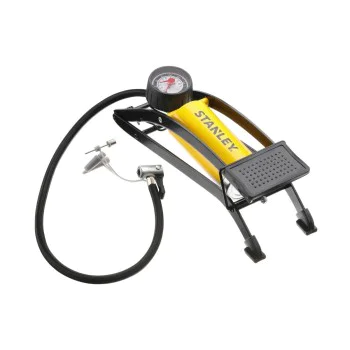
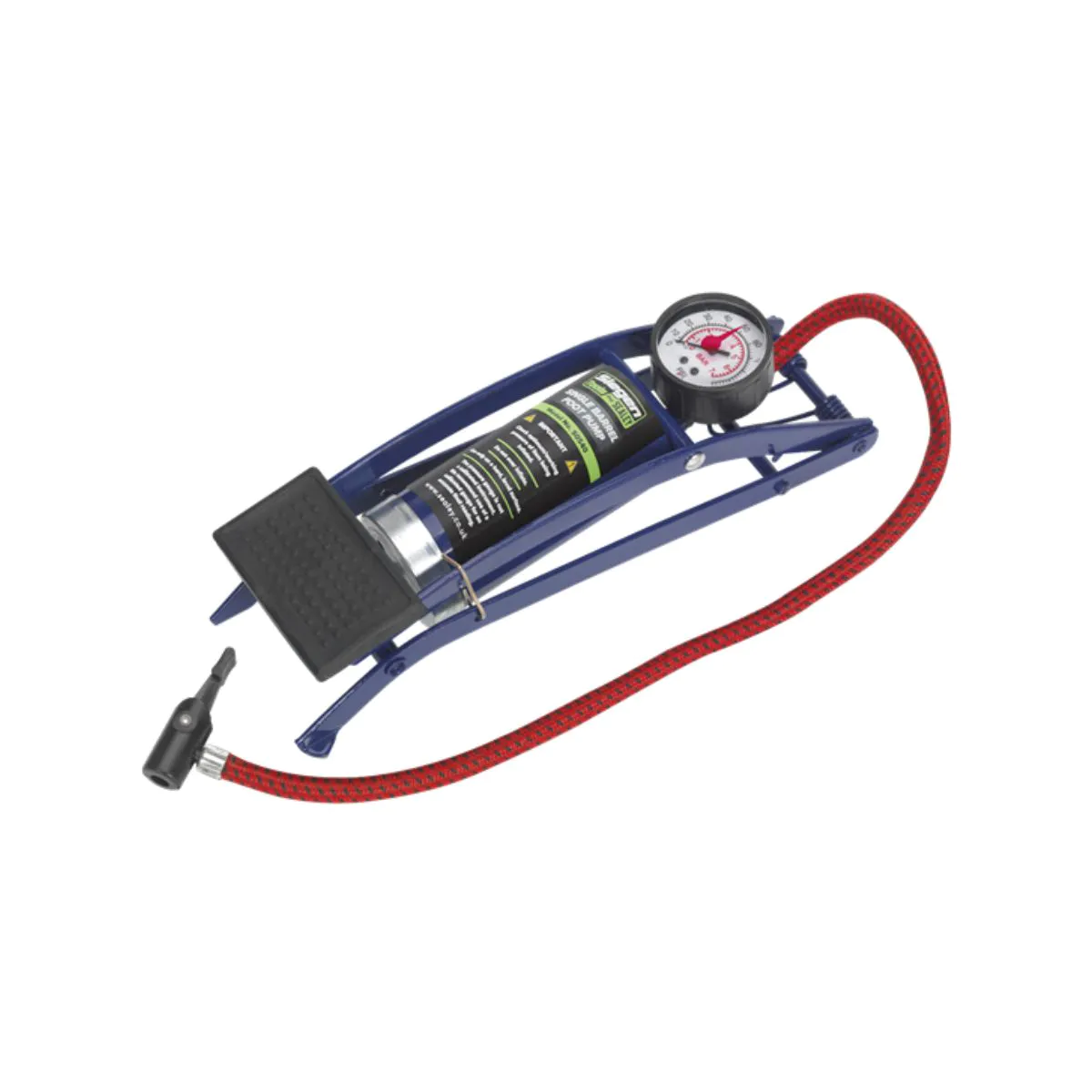
The range of foot pumps for tires includes models with different designs, working volumes, pressure gauges, hose lengths, and nozzle sets. Single-cylinder models are lightweight, compact, and convenient for a car trunk. Double-cylinder pumps move more air with a single press and are better suited for larger tires or more frequent use.
Models with a built-in pressure gauge make it easier to monitor pressure while pumping. A scale in bar, PSI, or a combined scale helps you quickly determine the correct pressure based on the manufacturer's specifications for the vehicle or tire. On some foot pumps, the hose is longer and more flexible, which makes it easier to reach the valve on low-slung cars, trailers, or bicycles with a specific spoke arrangement.
Main uses in the garage, on the road, and in the workshop
The foot-operated tire pump has a place both in a travel kit and among garage maintenance tools. It is useful for minor pressure loss, after temperature changes, before a long trip, or after a tire repair. For bicycles, it helps maintain the correct tire pressure based on the terrain and load. For strollers, trailers, and small machines with pneumatic tires, it is a convenient alternative when a compressor is not available nearby.
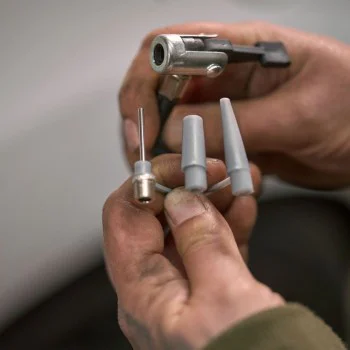
When the set includes adapters, the pump works with various types of valves. Car tires usually have Schrader valves, while bicycles typically use Presta and Dunlop valves. Nozzles for balls and inflatable accessories expand its applications, but compatibility between the adapter and the specific valve is always required.
Differences Between Models
Different floor pumps differ not only in size but also in feel during use, stability, and pressure control. The metal frame, wide foot pedal, and rubber feet improve stability on the floor. A larger cylinder speeds up inflation but increases the pump's size. Smaller models are easy to carry but require more pumping for larger-volume tires.
| Type of foot pump | Practical use | Key features |
|---|---|---|
| Single-cylinder | Car, bicycle, emergency maintenance | Compact, lightweight, easy to store |
| Twin-cylinder | Faster tire inflation and more frequent use | Higher air flow and more stable base |
| With pressure gauge | Pressure control during pumping | Scale in bar, PSI, or combined scale |
| With adapter set | Car, bicycle, balls, inflatable accessories | Greater compatibility with different valves |
Criteria for buying a foot-operated tire pump
When buying a foot-operated tire pump, the first things to consider are the working pressure and compatibility with the valve. For car tires, you need a pump that reaches the required pressure for your specific vehicle. For bicycles and sports tires, higher pressure is sometimes required, so the pressure gauge scale and maximum pressure should be checked before ordering.
- Pressure gauge: a larger scale is easier to read, and combined units of measurement save you from having to convert.
- Cylinder: A larger volume delivers more air when pressed, which reduces the time needed to inflate.
- Pedal and base: a wide footplate, textured surface, and stable feet improve control.
- Hose: A more flexible and sufficiently long hose makes it easier to reach the valves.
- Nozzles: the set of adapters is useful when working with different tires and accessories.
- Size and weight: compact models are convenient for the car, while bulkier ones are more comfortable for regular use in the garage.
Compatibility, Safety, and Maintenance
Compatibility between the nozzle and the valve is crucial for a tight seal. An incorrectly fitted adapter leaks air and makes it difficult to reach the desired pressure. Before inflating, the valve should be clean, with no dust or small particles around the threads. For car tires, pressure values should be checked against the vehicle's specifications, typically listed on the door pillar, fuel cap, or in the service manual.
Safe operation requires a stable surface, even pressure on the pedal, and monitoring the pressure gauge. Do not exceed the pressure specified for the specific tire or inflatable item. After use, store the hose without kinking it, and keep the pump in a dry place. Periodically checking the seals, nozzles, and hose connection helps maintain proper performance over time.
Foot-operated tire pumps from Toolsbox.bg
Toolsbox.bg offers foot-operated tire pumps for automotive maintenance, garages, workshops, and travel. Choose a model based on the required capacity, the desired accuracy of the pressure gauge, compatible valves, and storage space. This way, you get a practical tool for regularly checking and adjusting tire pressure, always at hand during repairs, installation, or travel preparations.