
Right angle
Right angle for precise measurements, marking, and 90° alignment
A right angle is one of the most practical measuring tools in construction, carpentry, installation work, repairs, and workshop tasks. It is used to check perpendicularity, transfer lines, mark out details, and ensure proper alignment when assembling elements at a 90° angle. In practice, this tool is also known as a square, carpenter's square, construction square, or control square, depending on its shape and application.
When cutting, drilling, gluing, welding, installing profiles, laying panels, or assembling furniture, a precise right angle saves on adjustments and helps achieve a clean final result. Even a slight deviation during the initial marking leads to inaccurate joints, gaps, and warping, so the measuring tool must be suited to the task and the material.
What Do Right Angles Include
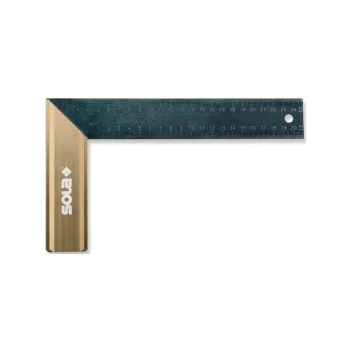
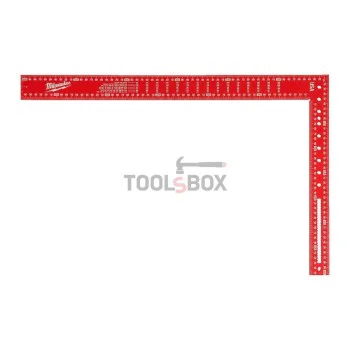
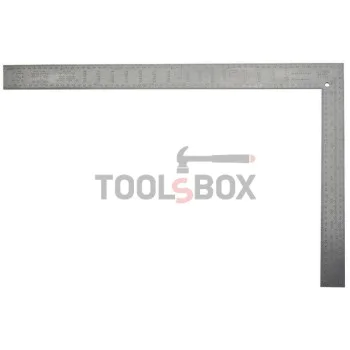
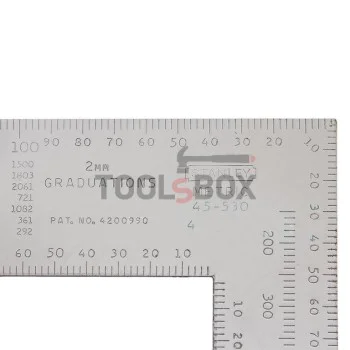
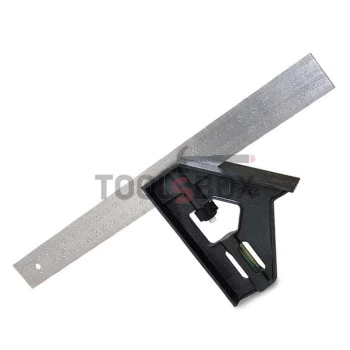
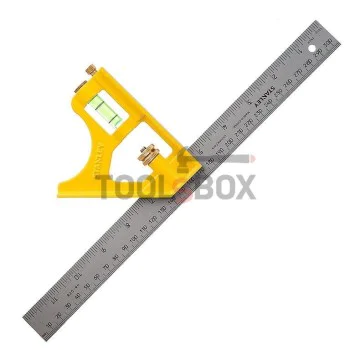
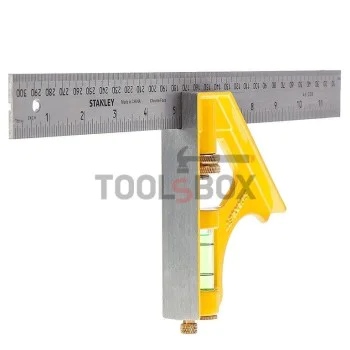
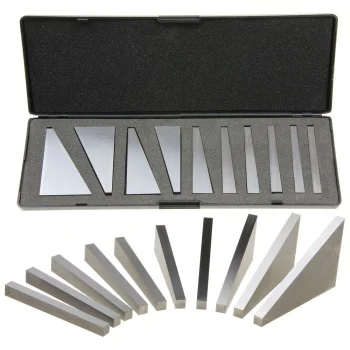
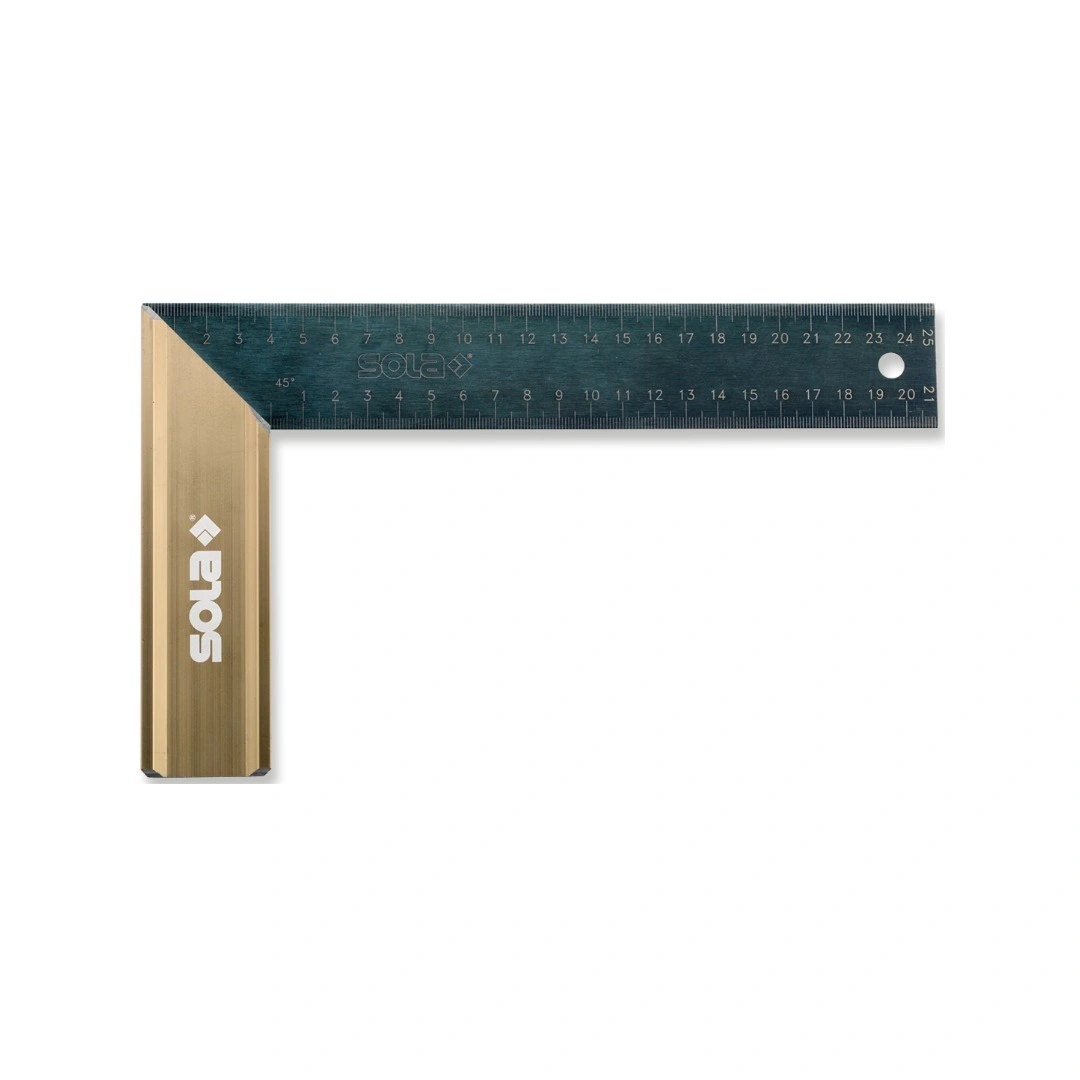
The range includes models with different arm lengths, shapes, materials, and reading methods. Classic metal squares are preferred for rough construction and metalwork, while carpentry versions with a graduated scale facilitate precise marking on battens, boards, beams, and panels. There are also combination measuring squares that allow for marking, length measurement, and checking the geometry of the workpiece.
Some models feature a clearly marked metric scale, marking holes, a reinforced support section, or a wider base for stable contact with the edge. When working with wood, clear graduations and even contact with the work surface are beneficial. For metal structures, hardness, torsional rigidity, and good contact with profiles, pipes, and sheet metal are important.
Common variants
- Carpenter's square - for marking surfaces, battens, beams, doors, furniture, and other wooden elements.
- Construction square - for checking masonry, formwork, drywall, substructures, and profile installation.
- Metal inspection square-for machining, metalworking, welding, and checking joints.
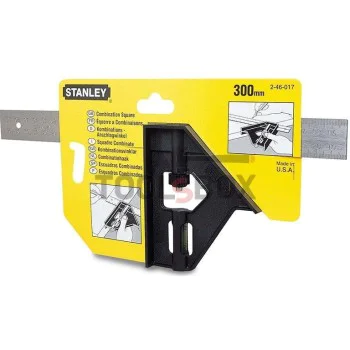
- Combination square - for marking, measuring, and checking a wide variety of repair and workshop tasks.
Applications in repair, installation, and manufacturing
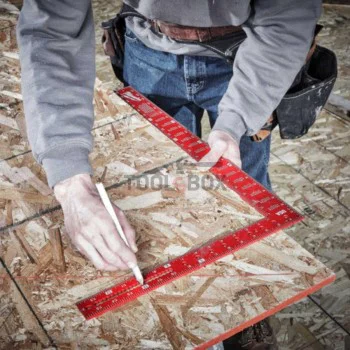
The right angle is used in almost every operation where two lines, planes, or parts must meet at 90°. In construction, it helps with installing metal profiles, checking openings, marking on surfaces, and inspecting frames. In woodworking, it is used to mark cutting lines, align parts before assembly, and check furniture, drawers, doors, and shelves.
In a workshop, the square is needed for cutting metal, clamping before welding, and checking flanges, corner joints, and parts after machining. For home use, the same tool makes it easier to install shelves, mount baseboards, assemble cabinets, make adjustments to wooden structures, and mark lines on drywall, laminate, or particleboard.
Choosing the Right Angle for the Job
When purchasing, the first thing to consider is the size. Shorter models are convenient for furniture, small parts, and working in tight spaces. Longer arms provide more stable support for large surfaces, beams, metal profiles, and building elements. A square with a longer scale is practical for marking on wide materials, while a compact version is more convenient for checking small joints.
The material affects durability and feel during use. Steel and aluminum models are preferred for more intensive use, as they retain their shape and withstand stress in a work environment. Plastic and lightweight versions are convenient for light repair work, marking, and hobby projects, where low weight is an advantage during prolonged use.
A clear scale is essential for accurate marking. Engraved or clearly printed graduations are easier to read and reduce the risk of measurement errors. When working with dust, shavings, or paint, it is best for the markings to be smudge-resistant. The edges should be straight and free of nicks, and the contact surfaces should be flat and clean.
Practical selection criteria
- Arm length-should match the size of the workpiece and the available workspace.
- 90° accuracy-required for assembling frames, furniture, profiles, and joints.
- Material-steel, aluminum, or lightweight materials depending on the load.
- Scale and markings-clear graduations for quick and precise marking.
- Supporting heel-helps ensure stable contact with edges and surfaces.
Accuracy, maintenance, and safe operation
The right angle must be protected from impacts, bending, and prolonged contact with moisture, as deformation affects accuracy. After use, it is advisable to clean the surfaces of dust, glue, metal shavings, or construction mixtures. For metal models, light corrosion protection extends the service life, especially in workshops with fluctuating humidity.
When marking, the tool must rest firmly on the edge of the workpiece. Pressure should not displace the arms, and the pencil, awl, or marker must follow the edge evenly. When cutting, the cutting line is checked before turning on the power tool, and when welding, the angle is checked before the joint is finally secured.
Right Angle for Professional and Home Use
A well-chosen right angle is a small tool with great significance for the accuracy of the work. It is needed by craftsmen, installers, carpenters, builders, welders, and discerning home users who want clean markings and precise geometry of the details. Browse the selection at Toolsbox.bg and choose a model with the size, material, and design that best suits your work in the workshop, on the job site, or at home.