
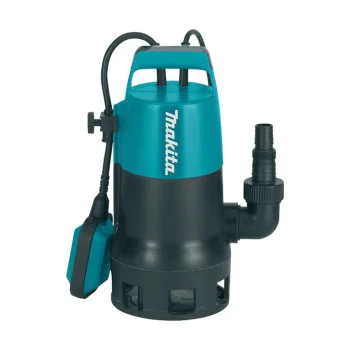
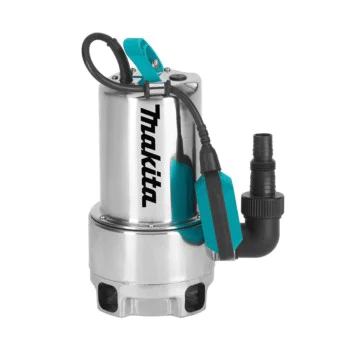
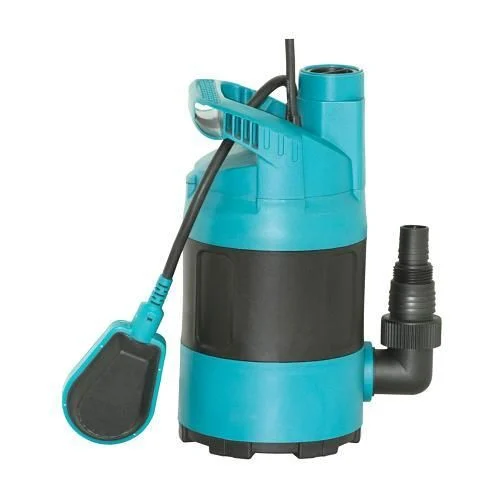
Drainage pumps
Drainage Pumps for Water Removal and Control
Drainage pumps are a practical solution for pumping water out of basements, shafts, excavations, tanks, pools, yards, and other areas where unwanted liquid accumulates. They are part of the water pump category and are used in renovation, construction, property maintenance, gardening, and service operations. When chosen correctly, drainage pumps facilitate the removal of large volumes of water, reduce drainage time, and help limit damage from flooding or high groundwater levels.
The product range includes models for clean, slightly contaminated, and contaminated water, submersible versions, models with a float switch, and various power ratings, flow rates, and head heights. This allows them to handle both domestic tasks and more demanding professional applications on construction sites, in workshops, on farmyards, and in utility rooms.
Where are drainage pumps used?
Drainage pumps are used in situations where water needs to be moved from a low point to a sewer, drainage channel, reservoir, or safe discharge area. For home use, they help with emptying swimming pools, draining basements, transferring water from barrels, and collecting rainwater. In construction, they assist with draining excavations, foundations, shafts, and temporary work areas after rainfall.
In service and commercial applications, these pumps are used for emergencies in plumbing systems, maintenance of drainage systems, cleaning of tanks, and work around wells or utility pits. Models for contaminated water are suitable for liquids containing sand, muddy impurities, or small solid particles, provided their size corresponds to the permissible passage of the specific pump.
Types and differences between individual models
The main difference between the various drainage pumps is their intended use based on the type of water. Clean water models are suitable for pools, tanks, collected rainwater, and light household tasks. Pumps for contaminated water have a larger free passage and a more durable impeller, making them more practical for manholes, muddy excavations, and emergency drainage.
Other differences include motor power, maximum flow rate, maximum lift height, immersion depth, outlet diameter, and control method. A float switch is useful for unattended operation because it turns the pump on or off based on the water level. In confined spaces, compact models are preferred, while for large volumes of water, pumps with higher flow rates and larger discharge openings are more suitable.
| Pump Type | Typical use | What to consider |
|---|---|---|
| For clean water | Pools, reservoirs, rainwater, light domestic tasks | Low residual level, flow rate, hose size |
| For contaminated water | Pits, trenches, flooded rooms, outdoor areas | Permissible particle size, impeller, housing |
| With float switch | Automatic activation when the level rises | Free movement of the float and sufficient shaft width |
| Compact models | Confined spaces, emergency domestic use | Dimensions, weight, cable length |
How to choose the right drainage pump
When selecting a sump pump, the type of water is the first consideration. Clean water with minor impurities does not require the same design as muddy water from a construction excavation. The next parameter is the flow rate, which indicates the volume of liquid passing through the pump per unit of time. For emergency drainage or large areas, a higher flow rate reduces the time required.
The head indicates the height to which the pump can discharge water. It is important when pumping from a deep shaft, basement, or excavation to a higher point. The outlet diameter must match the hose being used or be combined with the correct adapter. Longer hoses and more bends increase resistance, so it is wise to choose a model with sufficient power and head reserve.
- Water type: clean, slightly contaminated, or contaminated with particles.
- Flow rate: higher flow rate for rapid drainage of large areas.
- Head: required when pumping from a depth or to a high point.
- Housing: plastic for lighter tasks or metal for heavier-duty work.
- Control: manual switch or automatic operation with a float switch.
- Compatibility: correct diameter of hose, nozzle, and clamp.
Materials, Safety, and Maintenance
The drain pump's housing affects its durability during transport, impact, and contact with contaminants. Plastic housings are lightweight and convenient for household use, while metal versions are preferred for more frequent operation and harsher environments. The impeller, seals, and inlet strainer are components directly related to operation in contaminated water.
Safe operation requires stable installation of the pump, a clean inlet free of large debris, a properly routed electrical cable, and protection of the power supply from moisture. The pump must not run dry, as this puts strain on the motor and seals. For models with a float switch, there must be enough free space around it so that it can move without getting caught on walls, hoses, or cables.
After working with muddy or contaminated water, it is advisable to rinse the pump with clean water. The filter screen should be cleared of leaves, small stones, and sediment, and the hoses should be inspected for kinks and blockages. Regular maintenance extends the machine's lifespan and reduces the risk of a drop in flow rate during subsequent use.
Accessories and Supplies for Drainage Pumps
Drainage pumps work best with properly selected hoses, connectors, clamps, adapters, and extensions that match the pump's power and outlet diameter. For higher flow rates, a hose with sufficient cross-sectional area is recommended to avoid restricting the flow. In construction and yard settings, sturdy clamps and durable hoses reduce the risk of disconnection during pumping.
At Toolsbox.bg, you can browse drainage pumps for various tasks related to drainage, maintenance, and emergency response. Compare the specifications, water type, head, flow rate, and necessary accessories to select a model that suits the specific job at home, in the garden, in the workshop, or on the job site.