
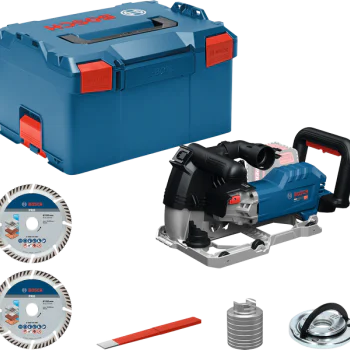
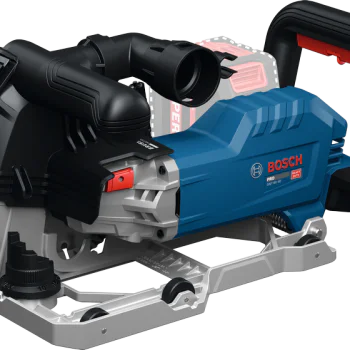
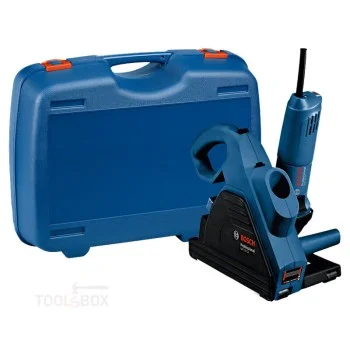
Cutters for channels
Channelling cutters for precise cutting during installation and repair
Channelling cutters are used to create straight grooves in masonry, concrete, aerated concrete, brick, plaster, and other building substrates. They are practical tools for installing electrical cables, pipes, low-voltage systems, heating lines, and communication lines. When working with such a tool, the channel is formed in a more controlled manner, requiring less finishing with a chisel and offering better repeatability in width and depth.
At Toolsbox.bg, you'll find trench cutters for repair crews, installers, electricians, plumbing professionals, and discerning DIYers. The choice of machine depends on the material, the depth of the cut, the diameter of the blades, the power, ease of handling, and the availability of a dust collector connection. For longer runs and hard surfaces, good ergonomics and stable handling are just as valuable as the power itself.
What Channel Cutters Include
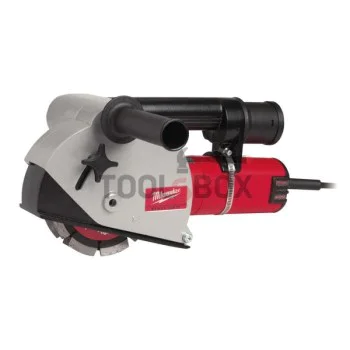
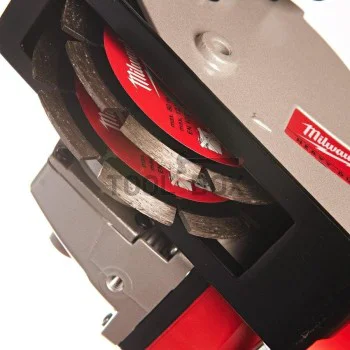
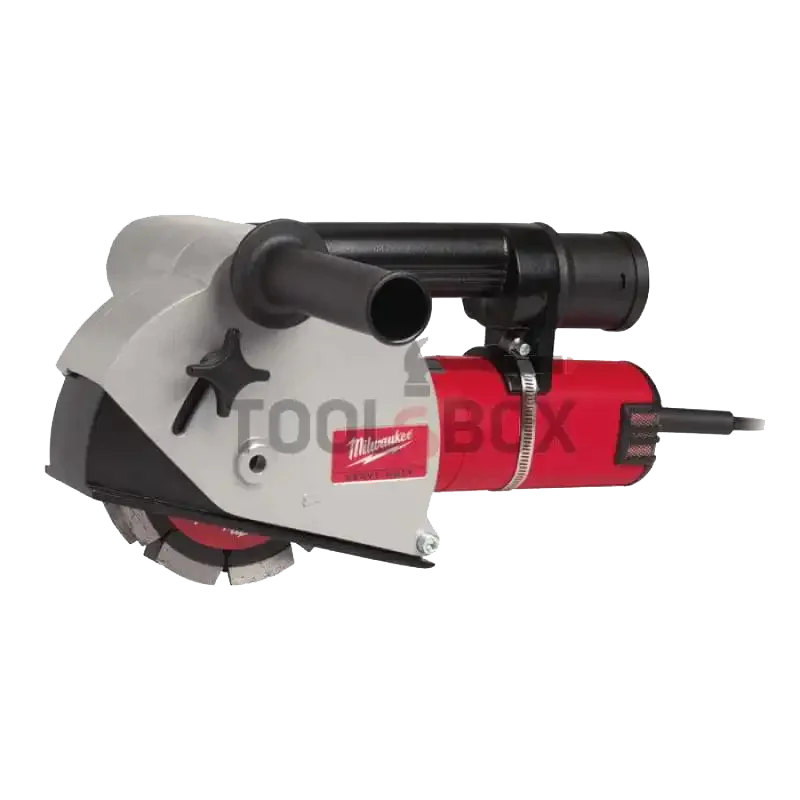
Trench cutters most often operate with two parallel diamond blades that cut the side walls of the trench. The center section is removed with a suitable hand tool or jackhammer, resulting in a straight, clean, and prepared opening for installing utilities. On some models, the width is adjusted using spacer washers, and the depth is adjusted according to the required size of the cable or pipe.
The machine's design typically includes a protective housing, guides, comfortable handles, a depth adjustment system, and a vacuum cleaner outlet. These elements directly affect control, visibility of the work line, and site cleanliness. In intensive professional use, the housing, bearings, cooling, and access to the discs are critical to the pace of work and maintenance.
Applications in construction, renovation, and installation
Channelling cutters are most commonly used for preparing routes prior to electrical installation. They assist in the concealed installation of cables for outlets, lighting, internet, security systems, and intercom lines. The machines are also used in plumbing and HVAC work when channels need to be cut in walls for thinner pipes or corrugated protective hoses.
During home and commercial renovations, precise cutting reduces unnecessary demolition around the route. This makes subsequent spackling and surface restoration more predictable. For construction crews working across multiple rooms, repeatable width and depth settings save time and maintain a consistent standard of workmanship.
Materials to be worked on
The selection of channel cutters must be tailored to the substrate. Brick and aerated concrete require less force than solid concrete, while reinforced sections are more demanding on the blades and motor power. With plaster and softer masonry, the cutting is easier, but dust remains a significant factor. For concrete and hard building blocks, a stable motor, the right diamond blades, and smooth feed without overloading are required.
How to choose the right machine
When selecting channel cutters, pay attention to several technical parameters. Power affects performance in hard materials and the machine's ability to maintain RPM under load. The diameter of the blades determines the achievable depth, and the width setting must match the installation to be cut.
| Criterion | Practical significance |
|---|---|
| Power | Higher power facilitates cutting in hard masonry and concrete over longer runs. |
| Cutting depth | Determines what type of cable, hose, or pipe will fit in the channel. |
| Channel width | Adjusted according to the number of wires, the hose diameter, or installation requirements. |
| Blade diameter | It is related to the depth, operating speed, and compatible accessories. |
| Dust collection | Reduces dust and improves visibility of the cutting line. |
For home repairs, a compact machine with easy adjustment and a comfortable grip is often sufficient. For professional projects, a better choice is a groove cutter with a more powerful motor, stable guides, reliable dust extraction, and quick access to the discs. In daily use, weight also matters: a machine that is too heavy strains the operator, while one that is too light can be harder to control on a hard surface.
Compatibility with blades, accessories, and dust collectors
Channeler cutters require properly selected diamond blades. The diameter, mounting hole, and maximum RPM must match the machine's specifications. Blades for concrete, brick, and general construction materials have different segment structures, so using the correct blade protects the motor from excessive strain and produces a cleaner cut.
Dust extraction is a major advantage when working indoors. Connecting to a construction vacuum reduces fine particles in the air, keeps the cut line visible, and makes cleanup easier after cutting. Check the nozzle shape, hose diameter, and compatibility with your existing dust collector. During prolonged use, filters and bags must be serviced on time, as clogging reduces suction.
Safety and Proper Maintenance
Working with wall chasers requires a stable position, a firm grip, and personal protective equipment. Safety goggles, ear protection, gloves, and a dust mask are required when cutting into mineral materials. Before starting the cut, the wall must be inspected for hidden utilities, and the machine should be started smoothly, without twisting the blades sideways.
Maintenance extends the machine's lifespan and preserves cutting accuracy. Clean dust from the ventilation openings, inspect the condition of the cable, housing, and guides, replace worn blades in a timely manner, and store the tool in a dry place protected from impacts. If you hear unusual noise, feel vibrations, or notice overheating, stop work until the cause is determined.
Choose a channel cutter based on your project
Channelling cutters are a valuable tool for precise installation slots, clean cutting, and better control during construction and renovation work. Browse the offerings at Toolsbox.bg and select a machine based on the material, required depth, channel width, compatible discs, and dust extraction method. This way, you'll equip your workshop or installation team with equipment that meets the actual demands of the job site.