
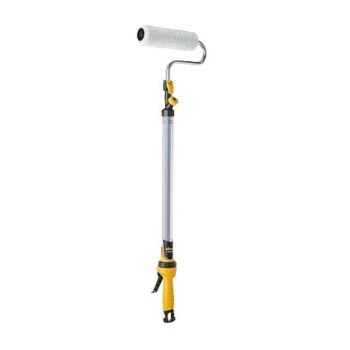
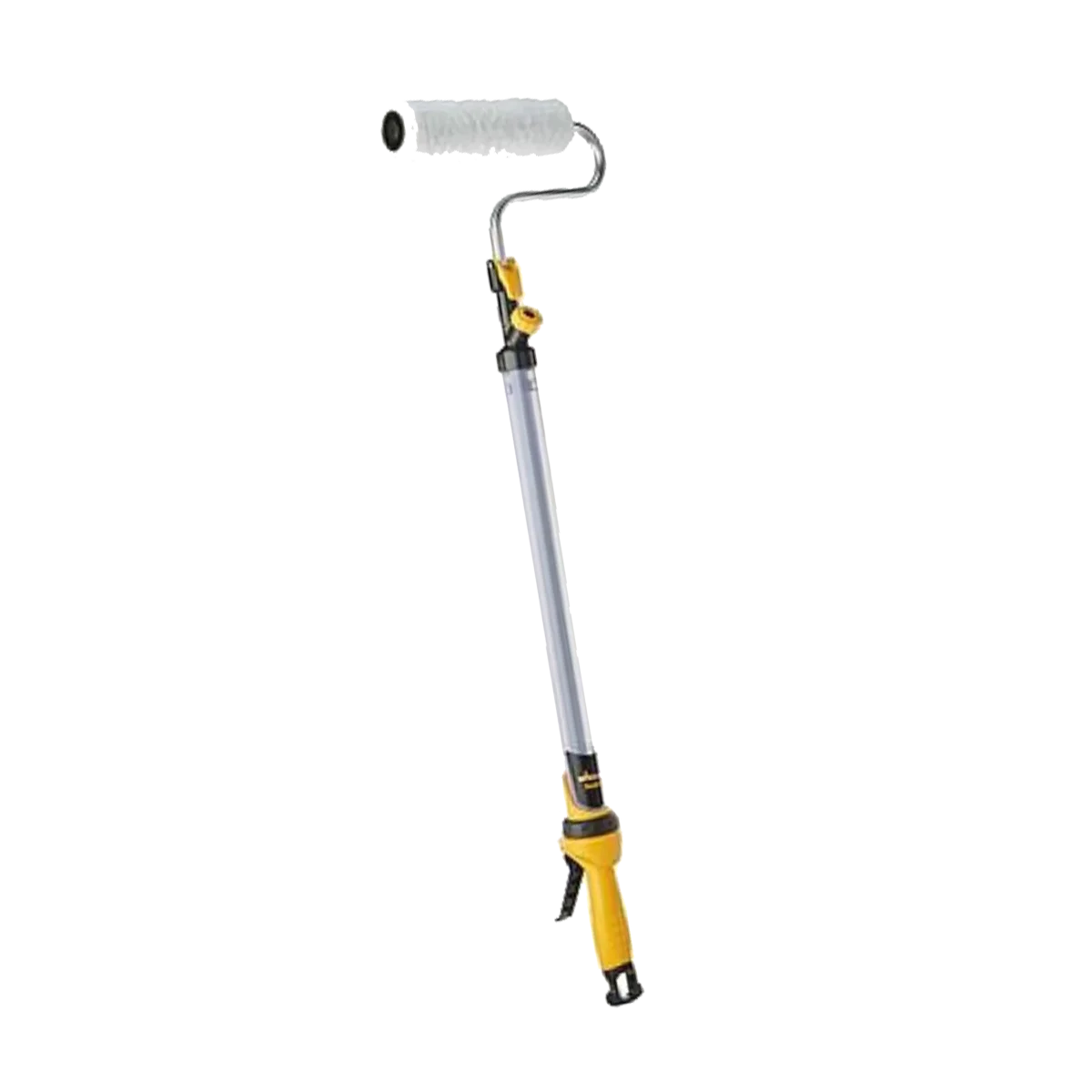
Roller for puttying
Plastering roller for even application of finishing compounds
A plastering roller facilitates the spreading of ready-mixed plaster, finishing coats, and decorative materials on walls and ceilings. This type of painting tool is invaluable for renovations, refreshing rooms, preparing surfaces before painting, and creating a smooth or slightly textured finish. Instead of applying the material with just a trowel or putty knife, the roller covers a larger area in less time and helps ensure even distribution of the layer.
Plastering rollers are sought after by both professional contractors and discerning DIYers working on interior renovations. They are suitable for working with drywall, lime-cement plasters, concrete surfaces, and old painted walls after preparation, as well as for applying certain decorative mixtures. The right roller reduces uneven material buildup, makes it easier to control the layer thickness, and facilitates subsequent smoothing.
What do plastering rollers include?
The range of plastering rollers includes models with different widths, diameters, cover types, and fiber lengths. Some are designed for fine plastering mixtures, others for denser materials or textured finishes. Rollers are available with textile covers, polyamide fibers, microfiber surfaces, or a coarser texture, selected according to the material's viscosity and the desired finish.
Narrower rollers are convenient for corners, baseboards, niches, small areas, and repair zones. Wider models cover walls and ceilings with fewer passes, which is useful in large rooms. Pile length affects the amount of material absorbed: shorter fibers work more cleanly with fine mixtures, while longer ones absorb more material and are suitable for uneven surfaces or thicker coatings.
Applications in repair, painting, and finishing
The putty roller plays a key role in preparing surfaces before painting. After priming and removing loose areas, it allows for the even application of a layer, which is then smoothed with a putty knife, trowel, or wide blade. With the right technique, you achieve better control over the amount of material and fewer missed spots on the wall.
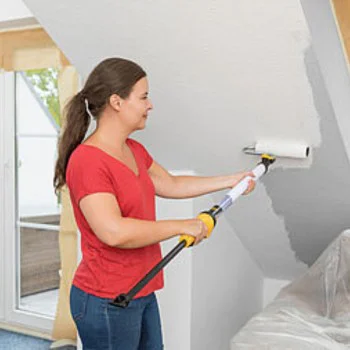
For ceilings, the roller is particularly convenient because it reduces the need to constantly scoop up material with a hand tool. When combined with a telescopic handle, it is more comfortable to work from the floor or a stable work platform. For decorative plasters and textured finishes, the roller can be used not only for application but also for creating texture, when the surface and mixture allow it.
Types by Application
| Roller type | Intended use | What to look for |
|---|---|---|
| Short-fiber | Fine fillers and thin layers | Smooth application and fewer splatters |
| With longer fibers | Thicker mixtures and slightly uneven surfaces | Holds more material |
| Wide roller | Large walls and ceilings | Covers more area in a single pass |
| Narrow roller | Corners, edges, niches, and small repairs | More precise work in tight spaces |
| Textured roller | Decorative finishes and embossing | Compatibility with the mixture and the desired pattern |
Criteria for purchasing a plastering roller
When choosing a roller for plastering, the type of mixture, the substrate, and the size of the area to be treated are the key factors. For fine finishing plasters, a roller cover is needed that distributes the material evenly and leaves no rough marks. For thicker, paste-like mixtures, a roller with better fiber load-bearing capacity is more suitable. On uneven walls, longer fibers reach small indentations more easily, while on smooth surfaces, shorter fibers provide better control.
- Roller width: wider for walls and ceilings, narrower for details and tight areas.
- Fiber length: short for thin coats, medium or long for thicker mixtures and textured surfaces.
- Bristle material: durable bristles that do not fray easily and can handle thick coatings.
- Handle and frame: secure grip, smooth rotation, and compatibility with an extension pole for working at heights.
- Cleaning: easy to wash after use, provided the mixture allows for water-based cleaning.
Compatibility with the mixture is particularly valuable. Some joint compound materials are more fluid and are easily applied with a paint roller with a suitable cover, while others are thicker and require a roller that holds more material without deformation. Information from the compound manufacturer regarding the recommended application method is a good guide when purchasing.
Working with a Skim Coat Roller and Maintenance
Before application, the substrate must be clean, dry, stable, and primed according to the material. Load the roller evenly, without excessive dipping, then apply the mixture in overlapping strips. For fine fillers, smoothing with a wide tool should follow while the coating is still workable. This reduces edges, brush marks, and localized buildup.
After finishing work, the roller must be cleaned promptly. Dried-on filler in the roller cover hinders subsequent use and may leave particles on the new surface. For water-soluble materials, the roller is washed with water until the fibers are free of residue. For other mixtures, follow the material's instructions. Storing the roller in a dry place helps maintain the shape of the cover and frame.
A practical choice for precise finishing work
The putty roller is a small tool of great importance in the preparation of walls and ceilings. It speeds up the application of the material, helps create an even layer, and makes work more organized during repair and painting tasks. Browse the selection at Toolsbox.bg and choose a roller based on the compound, the area, and the desired surface finish.