
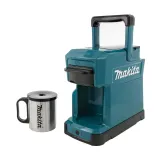
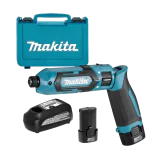
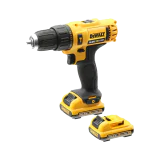
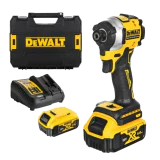
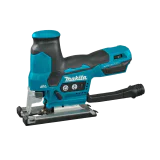
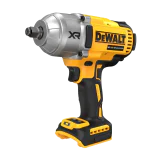
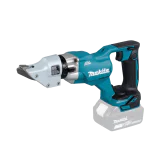
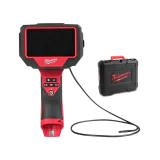
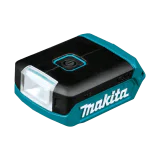
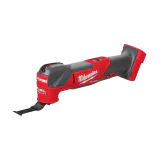
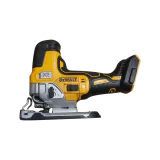
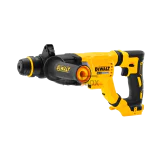
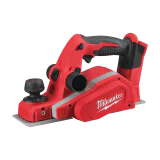
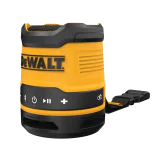
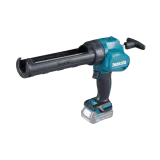
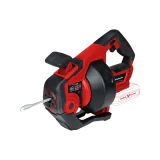
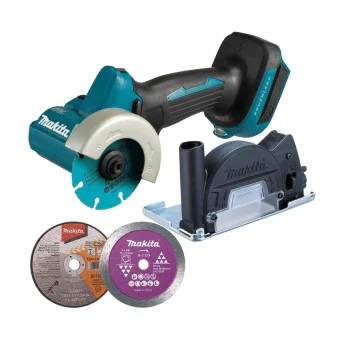
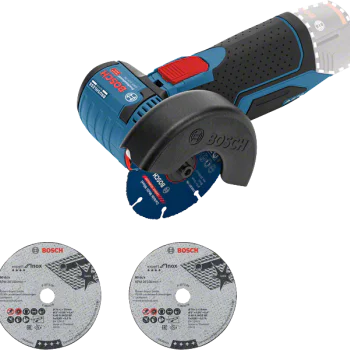
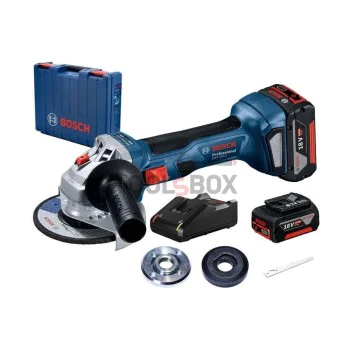
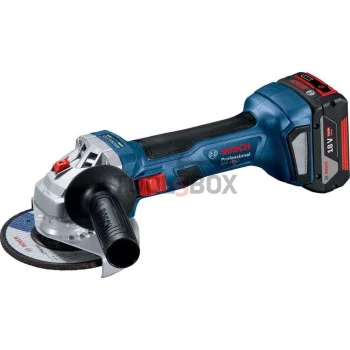
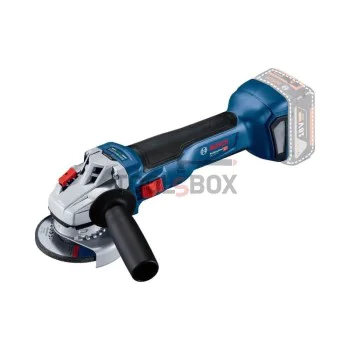

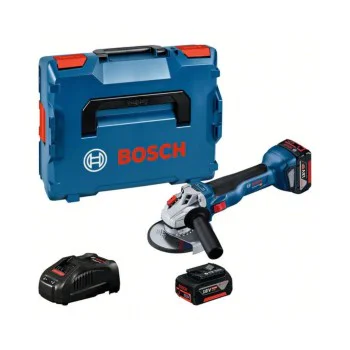

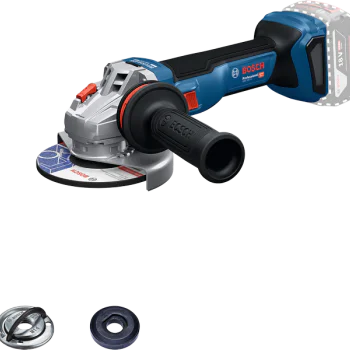
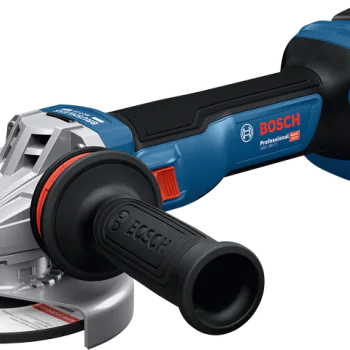
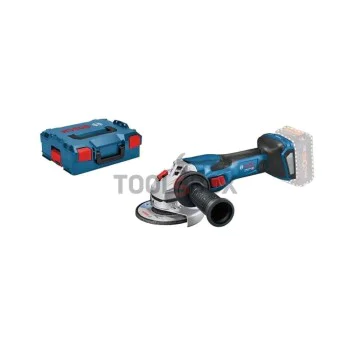
Cordless tools
Cordless Tools
Power and Convenience for Every Project
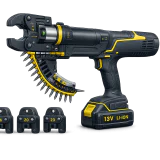
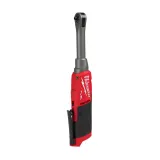
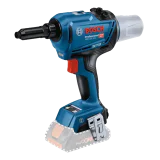
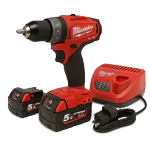
Cordless tools are among the most innovative and practical solutions, drastically changing the way various tasks related to repair, construction, gardening, and many other activities are performed. These tools offer cordless convenience and mobility, making them the preferred choice for both professionals and DIY enthusiasts.
Advantages of cordless tools
The first and perhaps most notable advantage is freedom of movement. The absence of cords means users can work anywhere without worrying about access to a power outlet. This makes them particularly useful for working in remote locations where there is no access to electricity, as well as on construction sites where electrical outlets are limited. The mobility of these tools is an important factor that increases productivity, as the operator is not restricted by cords that can get tangled or hinder movement.
Along with freedom of movement, ease of use and safety are the other key advantages of cordless tools. They are lightweight and compact, making them easy to operate and carry, even for long periods of time. These tools are often designed with an ergonomic design that reduces hand fatigue during prolonged use. Furthermore, the risk of tripping or injuries related to cords is eliminated, contributing to a safer work environment.
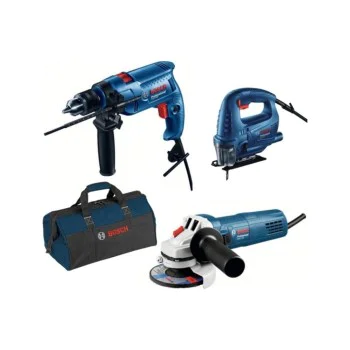
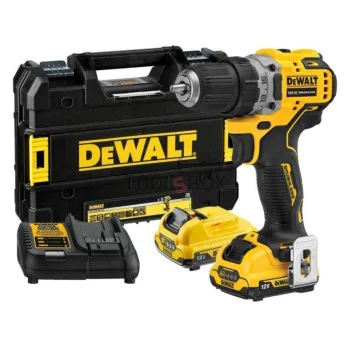
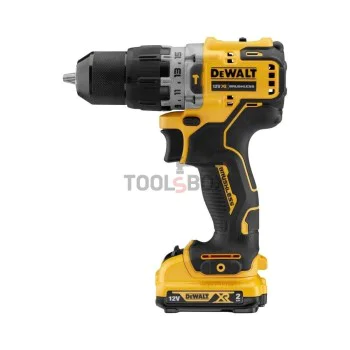
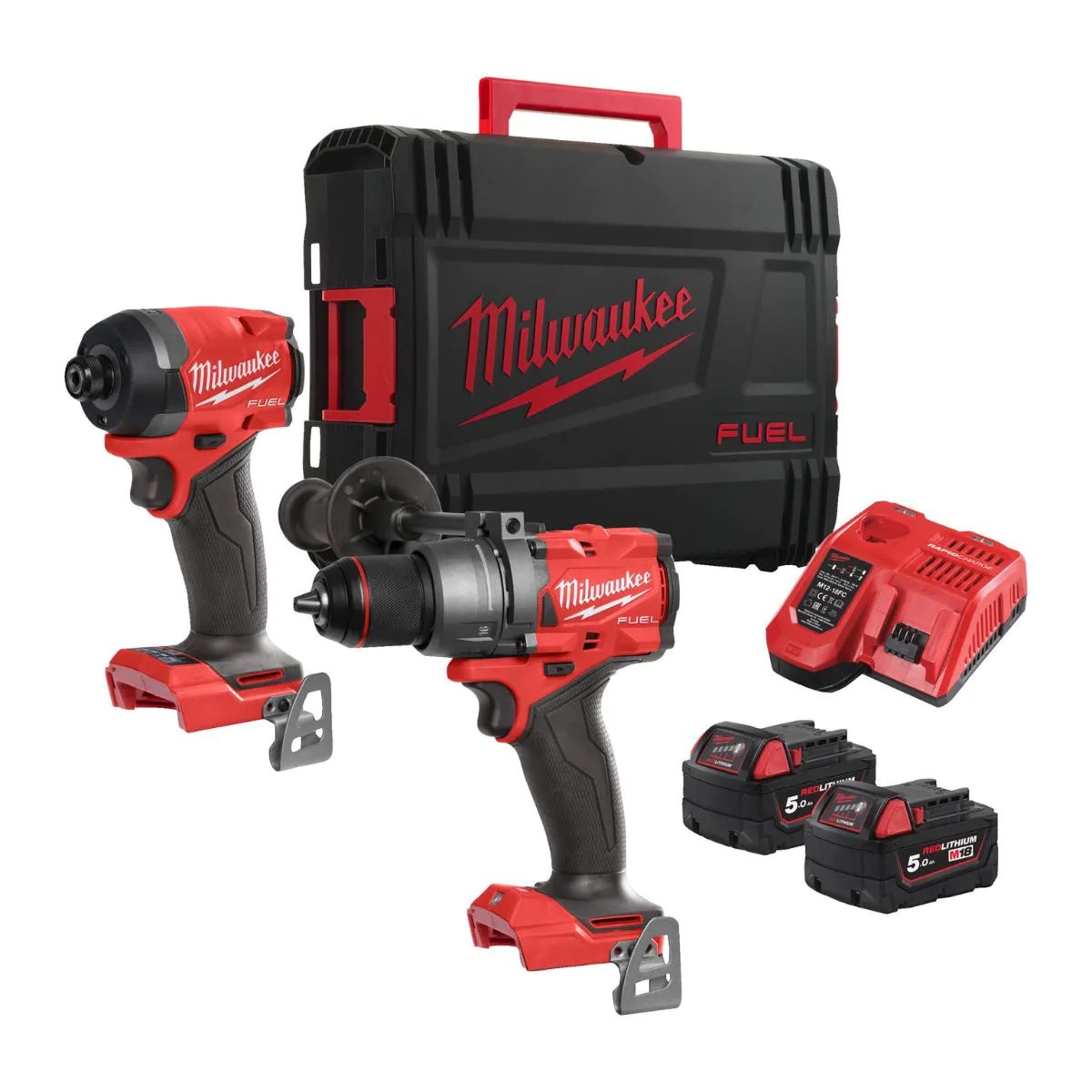
Their power should not be underestimated either. Modern battery technologies, particularly lithium-ion batteries, provide sufficient energy for extended operation. Lithium-ion batteries are known for their high energy density and fast charging times. They not only increase the tool's performance but also allow for continuous operation without interruptions. These batteries are reliable and offer consistent power throughout the entire operating cycle, making cordless tools suitable for professional use. They are used in various fields, including construction, repair work, gardening, and even industrial applications. One of the main reasons for their popularity is the wide variety of devices available in cordless versions. For example, cordless screwdrivers and drills are among the most commonly used tools by both professionals and hobbyists. They allow for easy drilling into wood, metal, and concrete without the need for an electrical power source.
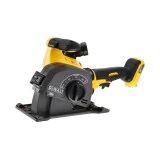
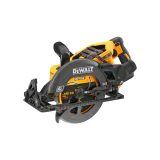
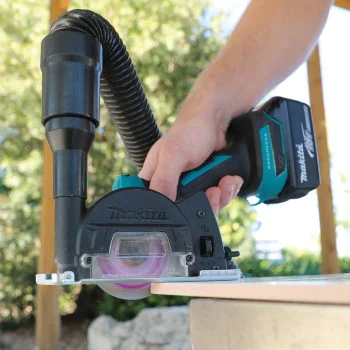
Another popular type of cordless tool is jigsaws and circular saws, which provide high precision when cutting various materials. These tools are indispensable for projects involving woodworking, flooring installation, or precision work on metal components. With the ability to operate cordlessly, these tools are suitable for use in conditions where access to the electrical grid is limited or unavailable.
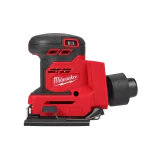
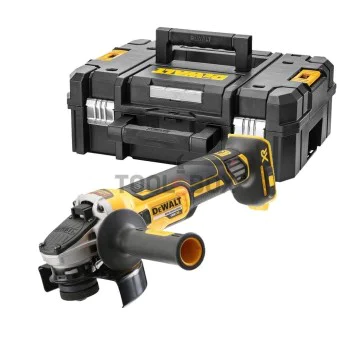
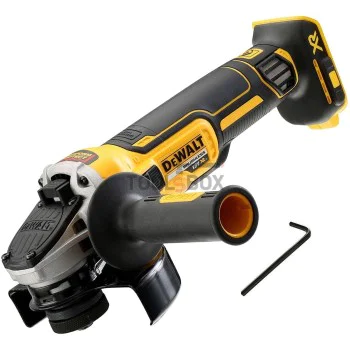
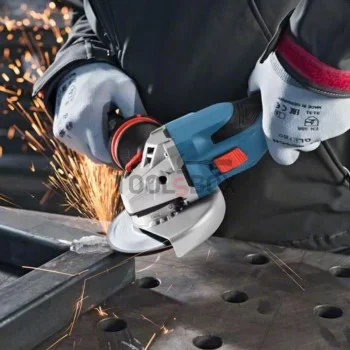
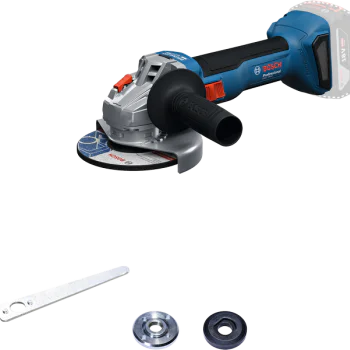
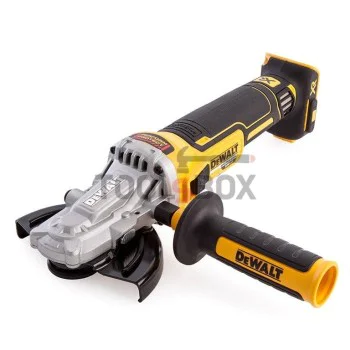
Among cordless tools, sanders are particularly useful; they are used for smoothing surfaces, removing paint, or polishing metal and wood components. These tools are ideal for outdoor work or in situations where high mobility is required. The ease of use of cordless sanders makes them the preferred choice for professionals seeking efficiency and precision.
When choosing cordless tools, it is important to consider several key factors that can affect their performance and longevity. The first of these is battery power. For larger and more complex projects, such as drilling into concrete or cutting hard materials, it is recommended to choose tools with more powerful batteries, which provide longer runtime and faster charging.
In addition to battery power, another important factor is the tool's design. Well-designed tools should be ergonomic and comfortable to hold so as not to cause fatigue during prolonged use. Lightweight and well-balanced tools are particularly important for tasks that require precision, such as carpentry and installation work.
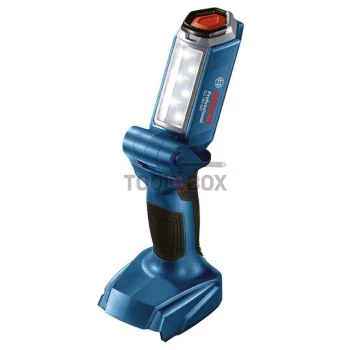
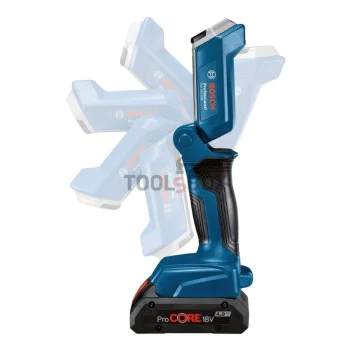
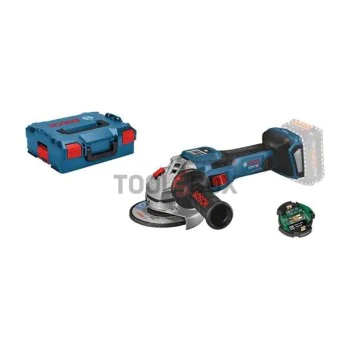
Additional features are also a factor to consider when making a choice. Many modern models are equipped with LED lighting, which makes it easier to work in dimly lit spaces, as well as adjustable speeds that provide more control when working with different materials. Some tools even offer smart features, such as battery status monitoring and energy optimization.
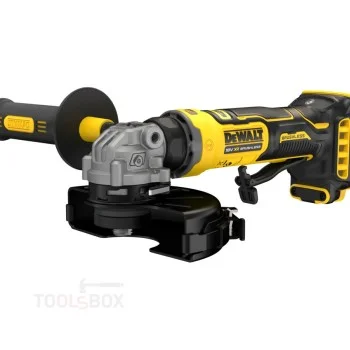
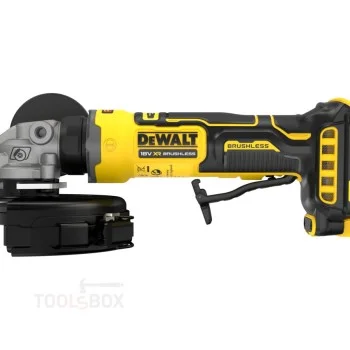
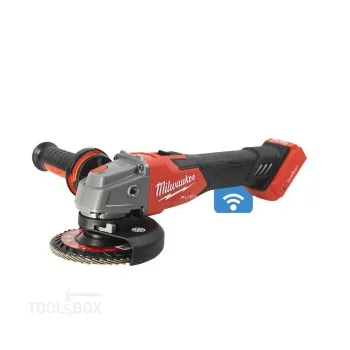
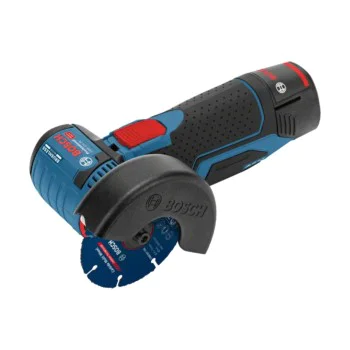
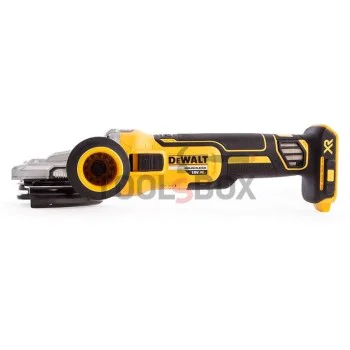
Finally, the choice of brand is also crucial. Reputable manufacturers such as DeWALT, Bosch, Makita, and Milwaukee offer high-quality tools known for their durability and reliability. Furthermore, purchasing tools from established brands typically includes a warranty and quality customer service, which is important for long-term use.
Maintenance of Cordless Tools
To ensure a long service life and trouble-free operation of cordless tools, it is necessary to follow a few basic maintenance rules. Proper storage of the tools is of paramount importance. They should be stored in a dry, protected place where there is no risk of contact with moisture or excessive heat. Moisture can damage the tools' electronic components and batteries, while prolonged exposure to sunlight can cause the plastic parts to degrade.
Another important aspect of maintenance is battery charging. To maintain maximum efficiency, batteries should be charged regularly and not left fully discharged for long periods of time. This extends battery life and ensures that cordless tools are always ready for use.
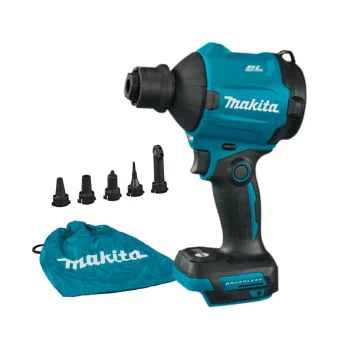
Cleaning the tools also plays an important role in maintaining their performance. After each use, it is recommended to remove accumulated dust, dirt, and material residue to prevent wear on moving parts and the motor. Compressed air or a soft brush can be used to clean hard-to-reach areas.
Replacing Batteries
It is also important to monitor the condition of the battery in cordless tools. Lithium-ion batteries have a limited number of charge cycles, after which their efficiency may decrease. If you notice that the battery is draining faster than usual or isn't holding its charge, this may be a sign that it needs to be replaced. Regularly monitoring the battery's condition is key to maintaining the tool's performance at an optimal level.
Replacing the battery is necessary when the tool can no longer maintain the same power level as before. Lithium-ion batteries typically have a long lifespan, but when they start to lose their efficiency, it is important to replace them with original batteries from the same manufacturer. This ensures that cordless tools will continue to operate effectively and safely.
Applications of Cordless Tools in Various Industries
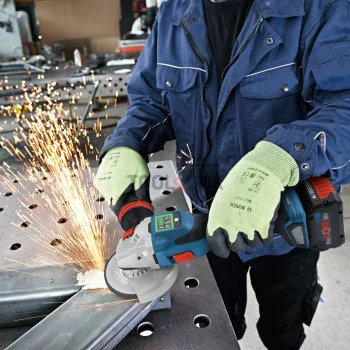
Cordless tools are widely used in various industries and professions. In the construction industry, they are indispensable for assembly work, cutting wood and metal structures, and drilling into hard materials such as concrete and brick. The portability of these tools allows workers to perform tasks quickly and efficiently, regardless of access to electricity.
In the field of repairs and renovations, cordless tools also play an important role. They are used for furniture assembly, appliance installation, flooring, and even interior decoration. The availability of cordless power allows users to perform precise and clean work without worrying about the inconvenience of cables.
Gardening also benefits from the advantages of cordless tools. They are used for pruning branches, mowing lawns, tilling soil, and maintaining green spaces. The mobility and lightness of these tools make them ideal for working in the garden or yard, where there is no easy access to electricity.
Cordless tools offer significant advantages that are changing the way we perform various tasks in construction, renovation, and daily household activities. Their portability, power, and safety make them an excellent choice for both professionals and DIY enthusiasts. Whether it's screwdrivers, jigsaws, sanders, or other tools, cordless tools provide the convenience of working without the constraints of cords, while maintaining high performance and efficiency.
Choosing the right cordless tool and maintaining it properly can significantly extend its lifespan and ensure reliable performance over the long term. Following the basic principles for storing, charging, and cleaning cordless tools will ensure their durability and help you get the job done with ease and efficiency.