
Canopies for helmet
Helmet visors for outdoor work and greater comfort
Helmet visors are practical accessories for safety helmets that help with outdoor work in strong sunlight, glare, and prolonged stays in open areas. They are placed on or around the helmet and provide additional shade for the face, neck, or shoulders without replacing the protective helmet itself. Such solutions are in demand in construction, renovation, facade installation, roofing, road maintenance, landscaping, public works, and any task where protective gear is worn for hours on end.
A well-chosen visor reduces direct sun exposure and makes wearing a helmet more comfortable during the warmer months. Helmet visors are used by professional crews, technicians, installers, and tradespeople, but they are also useful for discerning DIYers working in the yard, garden, or on a construction site around the home. They are part of personal protective equipment and complement workwear, goggles, gloves, and other safety gear.
What Are Helmet Visors?
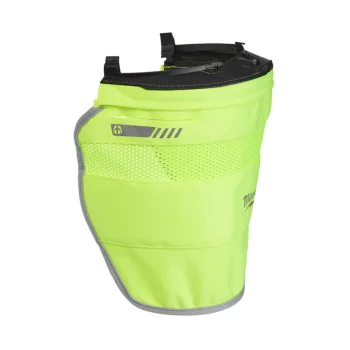
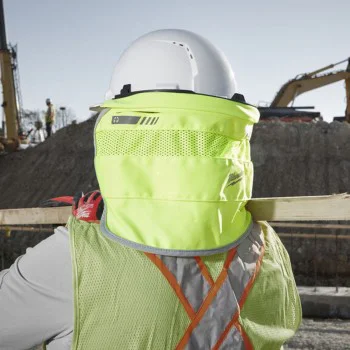
Helmet visors are typically lightweight attachments or fabric elements that are secured to the helmet shell using an elastic band, Velcro, clips, a rim, or another type of fastening. Their shape may resemble a rim around the helmet, a front visor, or extended protection for the back of the head. The goal is to provide the wearer with shade where the helmet itself does not offer sufficient coverage.
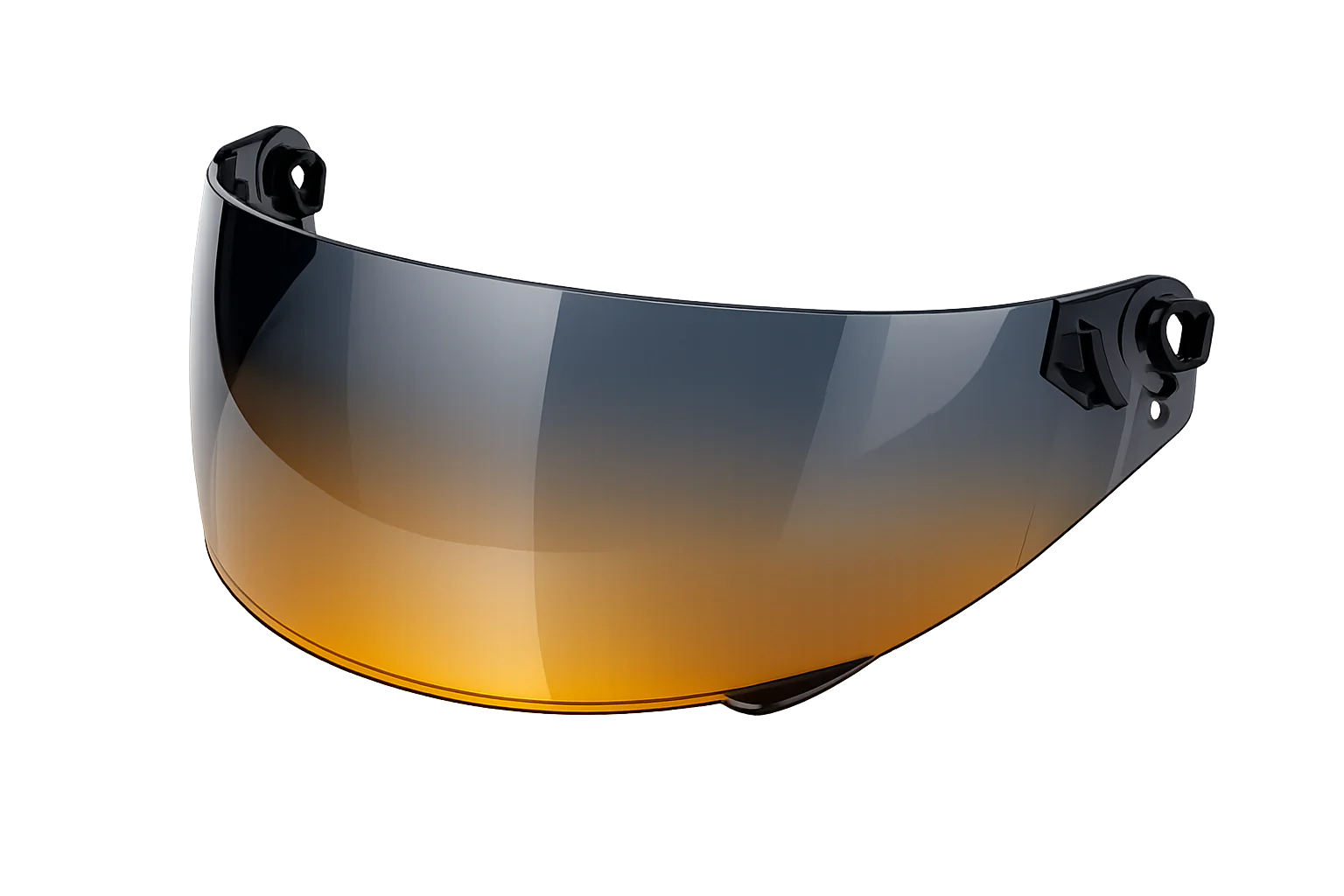
Different models vary in size, material, mounting method, coverage, and compatibility with specific safety helmets. Some are compact and mainly cover the forehead and eyes, while others cover a larger portion of the head and neck. When working around machinery, tools, and construction materials, it is advisable for the visor to remain stable, with no loose parts that could obstruct visibility or movement.
Main Applications
Helmet visors are used wherever an employee or craftsman wears a helmet in direct sunlight. In outdoor construction, they assist with masonry, formwork, roofing, and finishing work. During installation work on metal structures, fences, facade systems, or solar panels, the additional shade improves concentration and comfort. In outdoor service and maintenance activities, the visor is useful during inspections, repairs, and work with hand tools or power tools.
For gardening and landscaping work, the helmet visor is convenient for mowing, pruning, clearing land, working around equipment, and performing tasks where a safety helmet is part of the gear. It does not replace the need for safety glasses, ear protection, or a face shield, but must be compatible with them when worn together.
How to Choose a Helmet Visor
When purchasing helmet visors, the primary criterion is compatibility with the helmet. Check the shape of the shell, the presence of channels, a brim, accessory ports, and the attachment method. The visor must fit securely without disrupting the helmet's position on the head. If the helmet is used with ear muffs, a face shield, or a headband, there must be sufficient space for all accessories.
- Coverage: front visor for eyes and face, peripheral visor for more even shade, or an extended neck flap.
- Material: fabric for lightness and flexibility, plastic for a sturdier shape, or combined solutions for more intensive use.
- Fastening: elastic strap, Velcro, clips, or peripheral fastening depending on the helmet's design.
- Size: wide enough to provide shade without restricting visibility, movement, or tool use.
- Maintenance: Easy to clean of dust, sweat, construction debris, and signs of daily use.
For work at heights or near rotating parts, a model without dangling elements that could get caught is required. For installation work in confined spaces, the more compact helmet visors are more convenient. For extended stays in open areas, the wider models with neck coverage provide better comfort.
Compatibility, Safety, and Comfort
The visor should complement the helmet, not alter how it functions. The attachment should not press against the inner lining, push the helmet backward, or interfere with adjustments. For protective helmets with ventilation holes, it is best if the visor does not completely block them, as air circulation is important during prolonged physical activity.
Helmet visors should be checked regularly for tears, deformation, loose clips, or dirt that obstructs visibility. Soiled fabric parts should be cleaned according to the manufacturer's instructions, and hard components should be wiped clean of dust and construction debris. In cases of severe wear, it is advisable to replace the accessory, as a proper fit is directly linked to comfort and safe working conditions.
Practical guidelines based on the work environment
For sites with a lot of dust, concrete mixtures, and mechanical debris, models that are easy to clean and do not trap particles in the fastenings are preferred. For work involving constant movement, a low weight is valuable because it does not strain the neck. For installers and technicians who use headlamps or communication accessories, a visor with an open front profile or a flexible attachment is more suitable.
When working with power tools and hand tools, the field of vision remains paramount. The visor must not obstruct the line of sight for cutting, drilling, screwing, or marking. Check this before starting the task and adjust the helmet so that the accessory remains stable when bending over, turning your head, and carrying materials.
Selecting helmet visors at Toolsbox.bg
At Toolsbox.bg, you'll find helmet visors for various working conditions, helmet types, and attachment methods. Browse the available models based on material, shape, finish, and compatibility with other protective gear. This way, you'll select an accessory that complements your workwear, enhances comfort in the sun, and helps keep things organized on the job site, in the garage, garden, or workshop.