
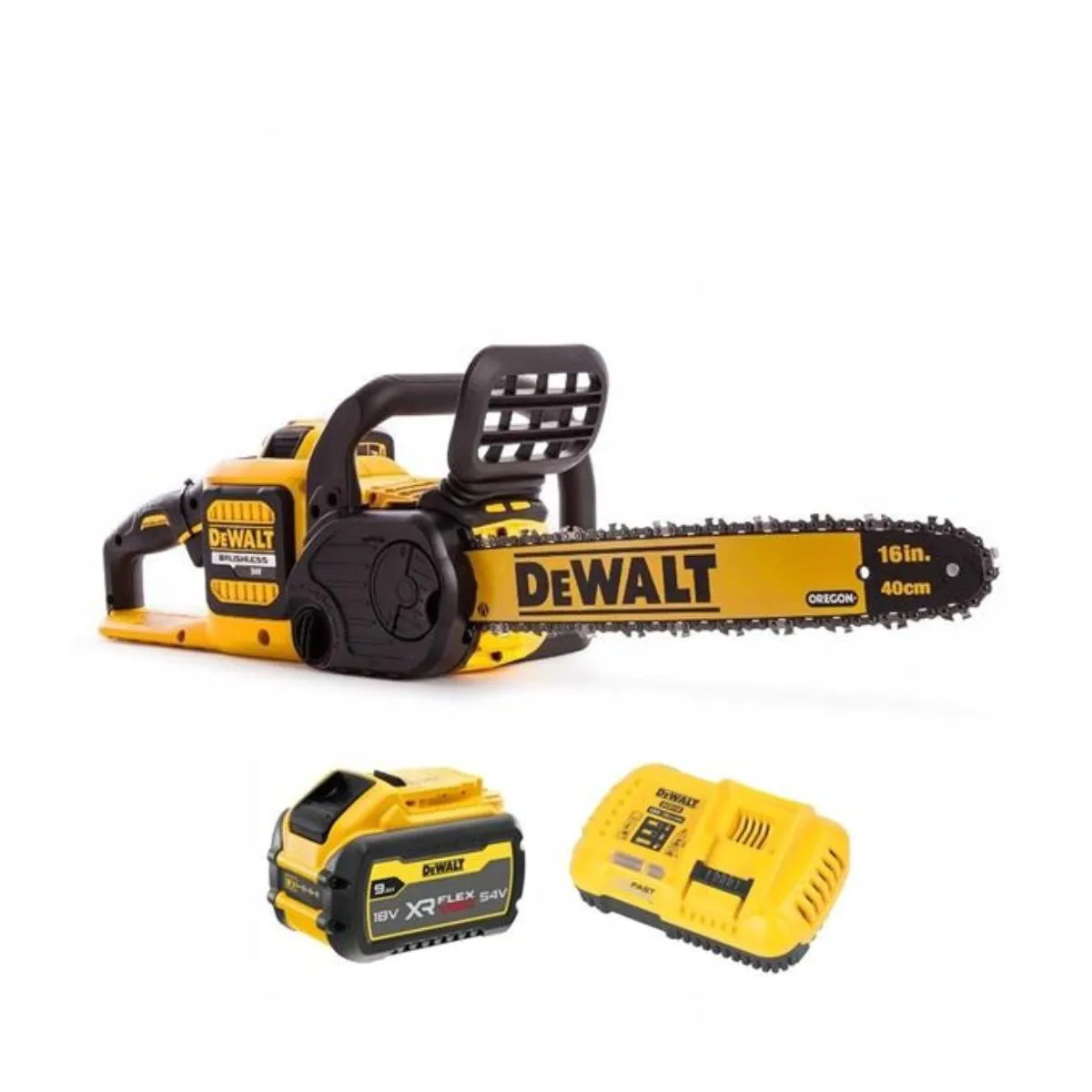
Chainsaws
Chainsaws for wood, branches, and lumber
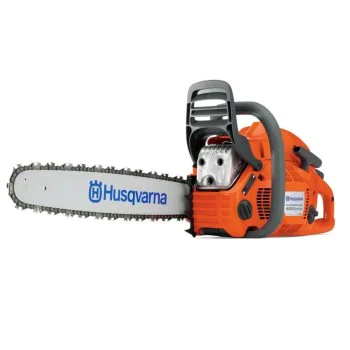
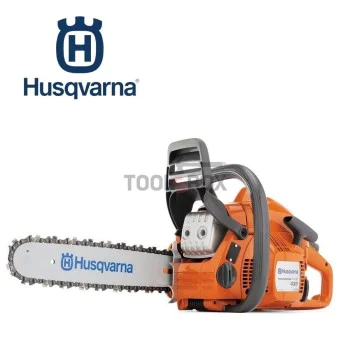
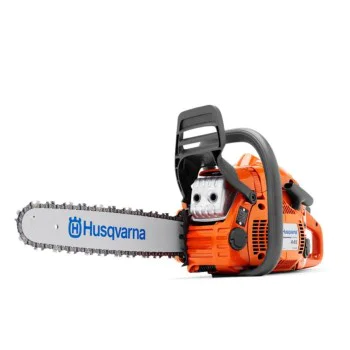
Gas-powered chainsaws are powerful machines designed for outdoor work-cutting firewood, clearing branches, pruning, shaping yard trees, and preparing lumber. They offer freedom from the power grid and handle tasks where corded machines restrict movement. This section features models for home use, seasonal garden maintenance, and more intensive professional work on farms, construction sites, and by service crews.
These machines are also known as gasoline-powered chainsaws. They operate via an internal combustion engine, a drive sprocket, a guide bar, and a cutting chain. With a well-chosen combination of power, bar length, and chain type, cutting is faster, with a clean cut and less strain on the operator. Chainsaws are sought after both for one-time wood preparation before winter and for daily work in more demanding conditions.
Chainsaws by Application and Load
Different models vary in engine displacement, power, weight, bar length, fuel tank capacity, chain lubrication system, and ease of maintenance. Lighter chainsaws are convenient for pruning, trimming branches, and yard maintenance because they are easier to control when working at different heights and in tight spaces. Medium-power machines are a good choice for cutting firewood, property maintenance, and work around a house, farm, or cottage.
More powerful chainsaws are preferred for thicker logs, prolonged cutting, and heavy-duty use in professional settings. In such cases, greater torque, stable engine performance, a comfortable handle, effective cooling, and quick access to the air filter, spark plug, and drive components are essential. When working with hardwood or larger-diameter material, the right guide bar and a well-sharpened chain are critical for speed, accuracy, and fuel efficiency.
Applications in the garden, yard, and professional work
Chainsaws are used for a variety of tasks-cutting logs, cutting beams, removing dead branches, clearing after a storm, pruning trees, and preparing lumber for construction or repair. For home use, the most sought-after models are those with a comfortable weight, easy starting, standard bar length, and simple maintenance. For more regular use, sturdy bodies, a good anti-vibration system, and components that withstand longer work cycles are valued.
In professional use, the workload is higher, and the machine must maintain a constant speed while cutting. Here, the strength of the guide bar, the quality of the chain, reliable oil delivery, quick access to consumables, and the availability of service support are important. For operators working for extended periods, lower vibrations, a good grip, and sensible weight distribution reduce fatigue and improve control over the cut.
How to choose a chainsaw based on specifications
When choosing a chainsaw, the type of work is the first consideration. For branches and thinner wood, a shorter bar and lower weight are preferable. For firewood and medium-sized logs, a more powerful machine is needed that can maintain speed without interruption. For thick logs and prolonged use, look for a larger engine displacement, a longer bar, and a chain with a profile suited to the material.
- Power and working capacity-determine how the machine handles thick and hard material.
- Bar length-must correspond to the tree's diameter and the engine's capabilities.
- Weight and ergonomics-affect fatigue, control, and cutting accuracy.
- Chain lubrication-uniform oil delivery protects the bar and chain from wear.
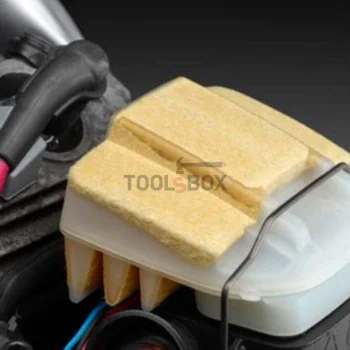
- Start-up and maintenance-easy access to the filter, spark plug, chain cover, and tensioner saves time during operation.
Bar, chain, and compatibility
The bar and chain are among the most heavily loaded components during cutting. When selecting a chainsaw, check the chain pitch, guide bar width, number of drive links, and bar length. An incorrect combination leads to faster wear, difficult cutting, and increased strain on the engine. It is advisable to ensure that the spare chain, sprocket, chain oil, and sharpening tool are compatible with the specific model.
When working with wet, resinous, or hard wood, the chain dulls more quickly. Regular sharpening maintains cutting speed and reduces strain on the machine. If the saw starts cutting to one side, produces fine shavings instead of coarse chips, or requires heavy pressure, the chain usually needs sharpening, cleaning, or replacement.
Safety and Maintenance
Working with a gasoline-powered chainsaw requires discipline and protective gear. Safety goggles or a face shield, ear protection, gloves, sturdy shoes, and clothing that won't get caught in moving parts are required. Before starting, check the chain tension, the fuel mixture level, the chain oil, and the condition of the brake. The cutting unit must be clean, and the cover and nuts must be securely fastened.
Maintenance extends the machine's lifespan and ensures reliable operation. After cutting, clean the guide bar, oil channels, chain cover, and air filter. For two-stroke engines, use a fuel mixture with the correct ratio according to the manufacturer's instructions. Store the machine in a dry place, with the chain removed and the cutting assembly free of debris.
Chainsaws for precise work and confident cutting
A well-chosen gasoline chainsaw saves time when maintaining your yard, preparing firewood, and working with lumber. At Toolsbox.bg, you can select chainsaws based on power, bar length, weight, intended use, and required accessories. Compare specifications, assess the workload, and choose a machine that suits your actual needs-from seasonal home maintenance to professional cutting.