
Off-road scream
Off-road jack for 4x4 vehicles, SUVs, and off-road use
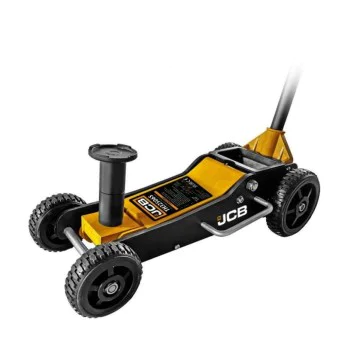
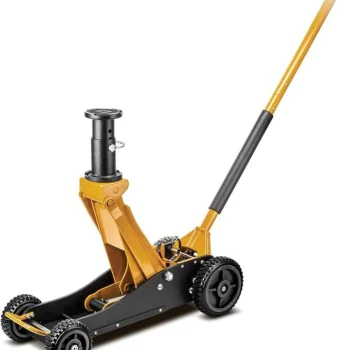
The off-road jack is a specialized manual jack for high-clearance vehicles, SUVs, pickup trucks, off-road vehicles, and equipment that operates away from a level service floor. It is used for tire changes, freeing a stuck vehicle, lifting on uneven terrain, emergency maintenance, and working around the vehicle's frame or bumper. Unlike low-profile garage jacks, this type of equipment features a long stroke and a mechanism that allows for lifting to a greater height with controlled movement of the load.
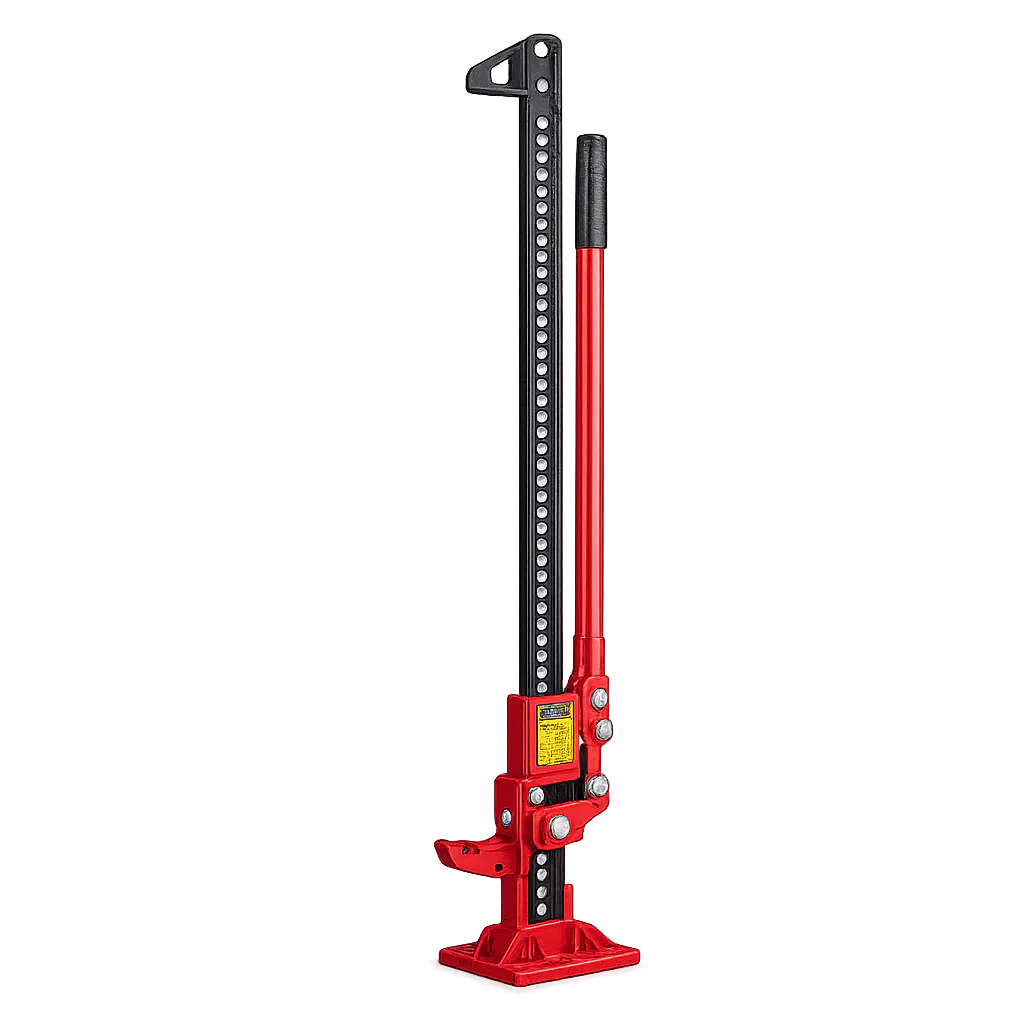
The off-road jack category includes mechanical rack-and-pinion models, also known as high-jack jacks, lever-type variants for rough terrain, and complementary accessories such as support plates, wheel adapters, hooks, straps, and mounting stands. An off-road jack is selected based on the vehicle, suspension height, lifting points, vehicle weight, and the environment in which it will be used-mud, sand, gravel, forest roads, or rocky terrain.
When to Use an Off-Road Jack
An off-road jack is a must-have for drivers who frequently travel on unpaved roads, participate in expeditions, hunting, fishing, forestry work, or maintain vehicles with high suspension. With a standard passenger car, lifting is usually done from the sills or factory lifting points, but with 4x4 vehicles, lifting is often performed using skid plates, roll bars, sills, tow hooks, or special adapters. That is precisely where the rack mechanism and the high lifting height prove their worth.
In addition to emergency lifting, an off-road jack can assist in pulling a vehicle out of a rut, lifting an axle to place shims, moving cargo in a workshop, or straining during field repairs. With the right technique and appropriate accessories, some models can also be used for pulling or pushing, but always in accordance with the manufacturer's instructions and the load capacity of the specific mechanism.
Differences Between Models
Off-road jacks are not identical across all models. Differences can be seen in the length of the rail, maximum stroke, load capacity, size of the support foot, type of lever, mechanism protection, and method of attachment to the vehicle. Longer models provide a greater lifting range but take up more space during transport. More compact versions fit more easily in a trunk or on an external rack but have a more limited stroke.
The material of the rail and the working teeth affects load-bearing capacity. Metal bodies with a well-finished surface are more resistant to dust, mud, and moisture, but require regular cleaning. The handle should provide a secure grip, and the locking mechanism should allow for clear positioning when raising and lowering. When working off-road, control details matter because you're often operating with gloves on, in limited visibility, or on unstable ground.
How to Choose an Off-Road Jack Based on Your Vehicle
Before purchasing, consider the load capacity in relation to the vehicle's weight and the actual load during travel-luggage, roof rack, winch, additional bumpers, spare tire, and tools. The jack should not operate at the limit of its capacity. Lifting height is also crucial: a vehicle with large tires and a lifted suspension requires a longer stroke to clear the wheel off the ground.
Consider the attachment points. An off-road jack works best with load-bearing components designed for this type of load. With factory plastic bumpers or thin decorative sills, an adapter or another lifting method is required. For soft ground, it is best to use a wide base that distributes the pressure and reduces sinking. In mud and sand, a small base quickly loses traction, making it difficult to control the load.
| Criteria | What to consider |
|---|---|
| Load capacity | Vehicle weight plus additional equipment and luggage |
| Lifting height | Ground clearance, tire size, and suspension travel |
| Underbody | Hard ground, mud, sand, gravel, or incline |
| Attachment | Bumper guards, side steps, wheels, tow bars, or adapters |
| Transport | Trunk space, external mounting, or roof rack |
Accessories, compatibility, and safe operation
Off-road jacks are often paired with accessories that expand their functionality and make operation more controlled. The wide base plate is valuable on soft surfaces, wheel adapters help when lifting from the wheel, and the case protects the mechanism from dust during transport. Mounting brackets make it easy to attach the jack to a roof rack, bumper, or external mount, freeing up space in the cabin and keeping the equipment within reach.
Safety when working with an off-road jack requires a stable base, the correct lever angle, and controlled movement during lowering. Never work under a vehicle that is supported only by a jack; stands, chocks, or another secure support are required. The wheels must be chocked, the load must be monitored constantly, and people must stay out of the fall zone. The lever must be held firmly, because under load it can snap back sharply if the mechanism is released improperly.
Maintenance of the Mechanism
After use in mud, sand, or wet conditions, the jack should be cleaned and dried. The rail, pins, and moving parts should be inspected for dirt, corrosion, and deformation. Light lubrication of the working parts reduces wear, but excessive grease traps dust. Storing the jack in a dry place or in a protective case extends the mechanism's lifespan and maintains smooth switching between lifting and lowering.
Off-road jack for service, travel, and maintenance
An off-road jack is a practical piece of equipment for any seriously equipped 4x4 vehicle, but the choice should be based on actual use. For service and workshop use, you may want a longer length and a sturdy lever, while for carrying in the vehicle at all times, weight, size, and easy installation are key. For expeditions and off-road work, the combination with a support plate, gloves, wedges, and proper attachment points provides better control in emergency situations.
Browse the options at Toolsbox.bg and choose an off-road jack based on your vehicle, terrain, and work style. This way, you'll have lifting equipment that helps with repairs, maintenance, and challenging situations off-road.