
Electric knife sharpeners
Electric knife sharpeners for fast and precise sharpening
Electric knife sharpeners make it easy to maintain kitchen, hunting, fishing, pocket, and utility blades when manual sharpening takes too long or fails to produce a consistent angle. These devices maintain an even cutting edge using guide channels, abrasive discs, or sanding belts that remove a controlled amount of material. This allows the knife to regain its sharpness with less effort, while reducing the risk of uneven sharpening. The Toolsbox.bg range includes models for home kitchens, workshops, maintenance work, fishing, hunting, and more intensive professional use.
An electric sharpener is a practical power tool for anyone who works regularly with blades. It saves time when maintaining knives for cooking, carving, camping, gardening, or repair work. The various models differ in sharpening method, number of stages, abrasive type, power, size, body stability, and compatibility with different blade shapes.
What types of electric knife sharpeners are available
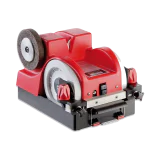
Electric sharpeners operate with different abrasive systems. In some models, sharpening is done using rotating discs with fixed guides that maintain the blade angle. Others use sanding belts, which are convenient for rougher work and restoring heavily dulled knives. There are single-stage devices for quickly refreshing the edge and multi-stage models, in which the cutting edge is first shaped, then smoothed and polished.
For kitchen knives, sharpeners with precise grooves and a fine finish are more valuable. For hunting, fishing, and utility knives, a more powerful motor, a stable base, and the ability to handle thicker blades are important. Compact models are convenient for occasional home use, while more robust tabletop devices are designed for prolonged use.
| Tool Type | Features | Where to use |
|---|---|---|
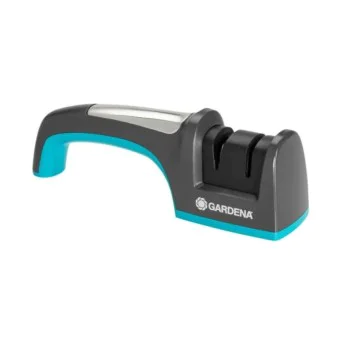
| Compact electric sharpener | Small body, fixed channels, easy storage | Kitchen, household, vacation home |
| Multi-stage sharpener | Coarse sharpening, fine smoothing, and polishing | Regular maintenance of various knives |
| Bench-top model | More stable base, larger work surface | Workshop, repair shop, professional kitchen |
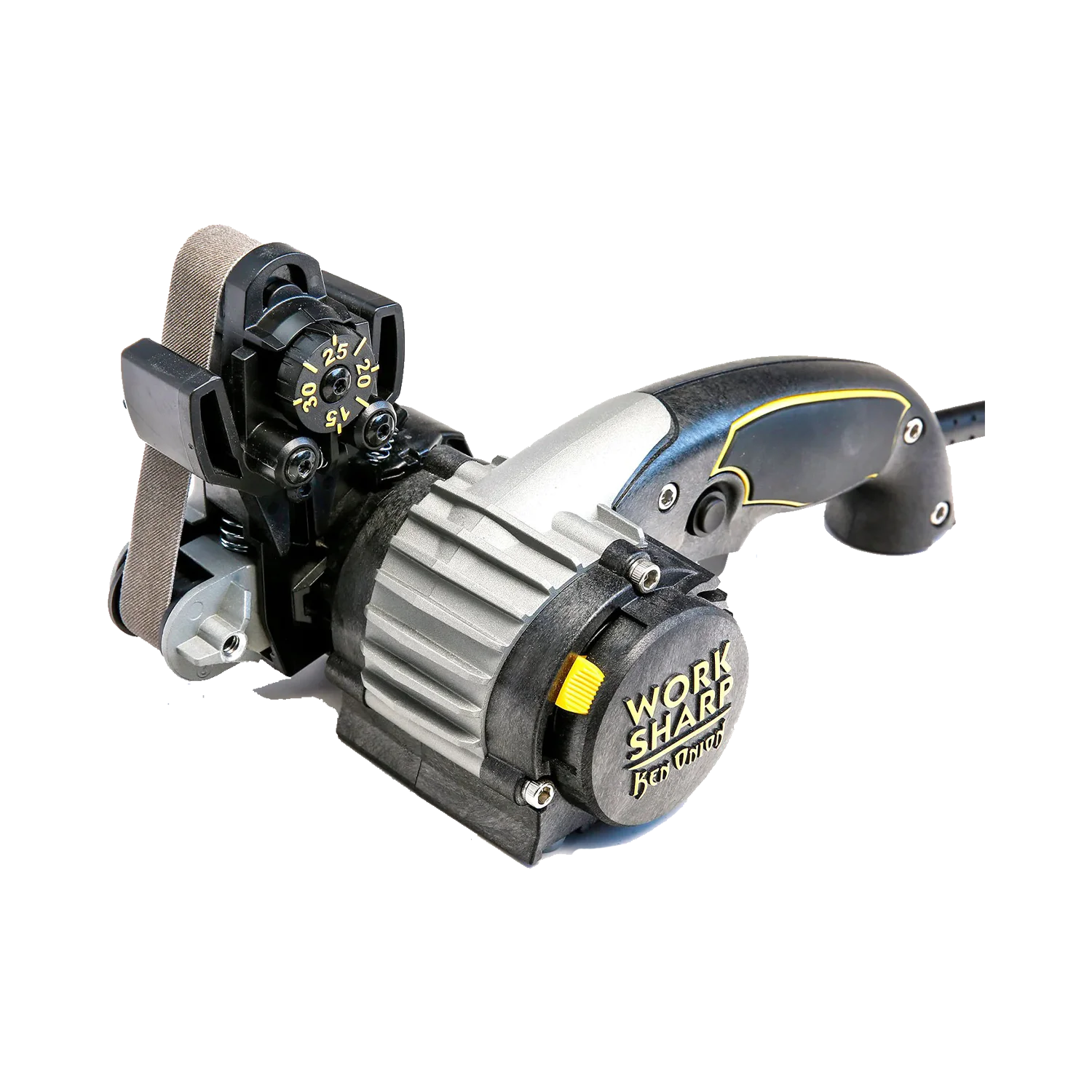
| Belt sharpener | Flexible abrasive belt for more intensive removal | Utility, hunting, and rougher blades |
Applications in the kitchen, workshop, and service
Knives lose their sharpness when they come into contact with cutting boards, bones, contaminated materials, ropes, cardboard, plastic, and rough surfaces. The electric sharpener helps keep the cutting edge in working condition without the need for prolonged manual sharpening with a whetstone. In the kitchen, this results in cleaner cuts of meat, vegetables, and bread, while for utility knives, it means less effort when cutting through packaging, cables, insulation, or textiles.
In a professional kitchen, butcher shop, or service environment, the sharpener reduces tool maintenance time. For home users, it is convenient when seeking a more consistent result than manual sharpening. For special blades, such as serrated knives, thin Japanese knives, or knives with non-standard angles, it is necessary to follow the instructions provided by the manufacturer of the device and the blade itself.
How to Choose an Electric Knife Sharpener
When choosing, start with the type of knives you'll be maintaining. Kitchen knives require finer grinding and a consistent angle. Hunting and utility knives often have a thicker spine and need a more durable abrasive. For regular use, pay attention to cooling, stability during operation, and ease of cleaning.
- Sharpening angle: fixed guides reduce the risk of misalignment and provide a more consistent edge.
- Abrasive type: Diamond surfaces are good for hard steels, ceramic elements are valuable for fine finishing, and sanding belts handle rougher restoration.
- Number of stages: a single stage is convenient for quick touch-ups, while two or three stages provide more precise processing from shaping to polishing.
- Power and speed: more stable motor performance is beneficial for harder and thicker blades.
- Size and storage: Compact tools take up less space, while bench-top models are more convenient for frequent use.
- Compatibility: Measure the width and thickness of the blades and compare them to the grinding machine's work channels.
Abrasives, construction, and safe operation
The abrasive determines how quickly the cutting edge is restored and how smooth the finish will be. Coarser abrasives remove more material and are useful for severely dulled knives, but aren't necessary for every sharpening session. Fine abrasives smooth the micro-edge and reduce chipping during cutting. A good routine involves a brief sharpening, checking the edge, and repeating only if necessary.
The body, base, and guides affect comfort and control. A stable base reduces slippage on the work surface, and clearly defined channels guide the blade with less wobble. For safe operation, hold the knife steadily, do not apply excessive pressure, and keep your fingers away from the abrasive area. When cleaning, unplug the device from the power source and remove metal dust according to the manufacturer's instructions.
Maintenance of an electric knife sharpener
Regular maintenance extends the tool's lifespan and ensures consistent abrasive performance. After use, clean the channels of metal particles, store the sharpener in a dry place, and protect the cord from kinking. For models with replaceable belts or discs, monitor the condition of the consumables. Worn abrasives grind more slowly and result in uneven results, so timely replacement is part of normal tool care.
Not every knife requires aggressive sharpening. For minor dullness, a fine-grit stage or brief polishing is often sufficient. This preserves more of the blade's material and extends its service life. For knives made of expensive steel, with non-standard geometry, or with a coating, work carefully and start with the gentlest setting the model offers.
Choose an electric knife sharpener from Toolsbox.bg
Browse the available electric knife sharpeners at Toolsbox.bg and compare models based on power, abrasive type, number of stages, size, and intended use. This will make it easier to find a tool for home kitchen use, professional work, service operations, or maintenance of knives for hunting, fishing, and camping. A well-chosen sharpener saves time, keeps blades in working order, and makes daily knife work more precise and convenient.