
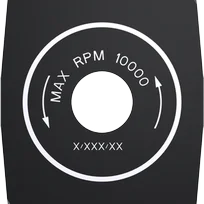
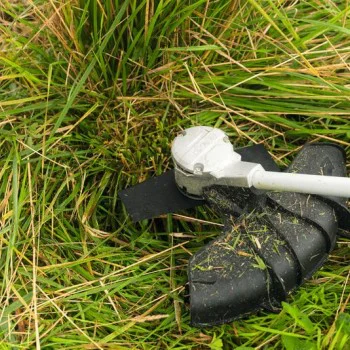
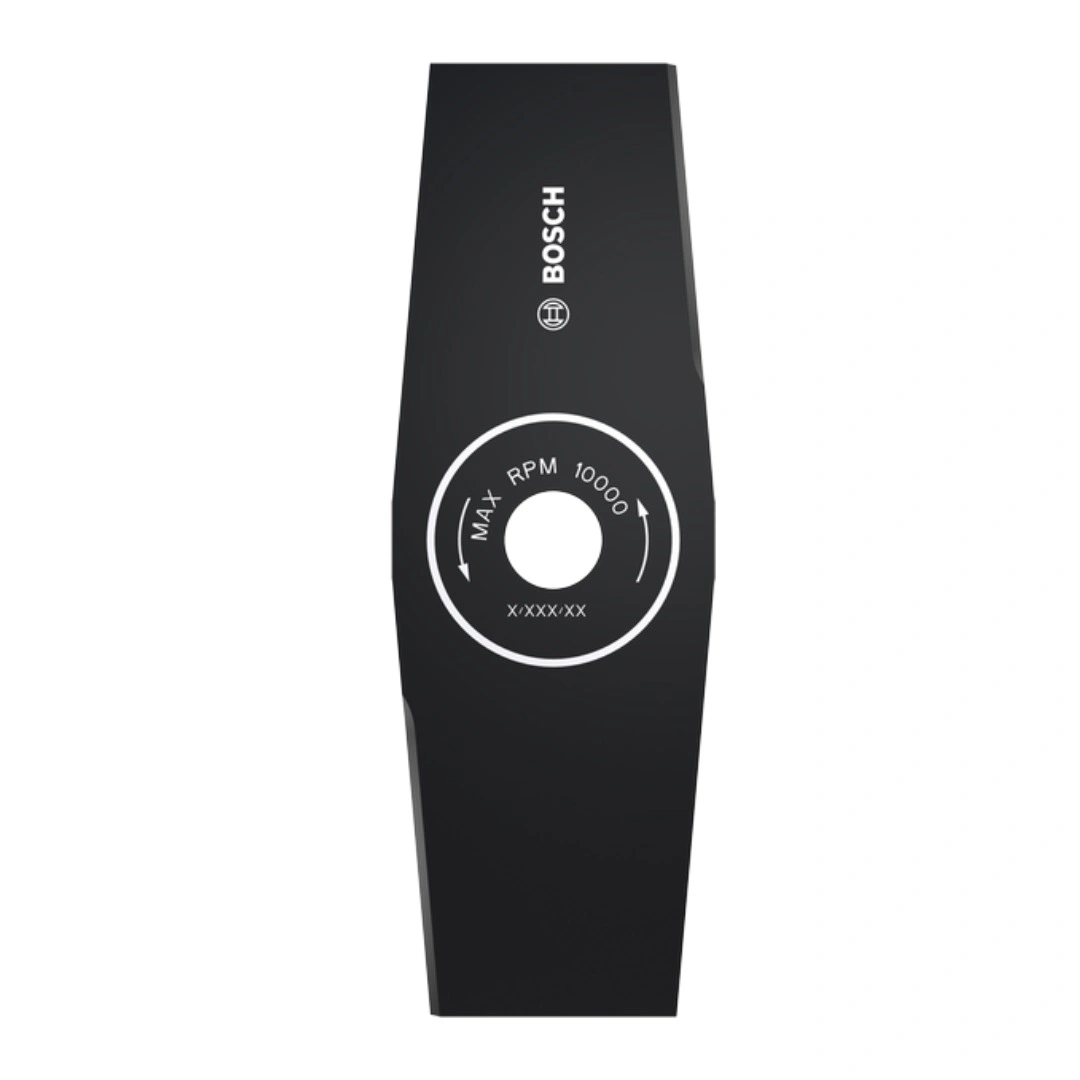
Disc for brushcutter
Brush cutter blade - for cutting dense vegetation and maintaining landscapes
A brush cutter blade is a cutting accessory for gas-powered and battery-powered brush cutters, used for cutting tough grass, weeds, thorns, shrubs, and young shoots. It replaces the cutting line where vegetation is denser, stems are thicker, or the terrain requires more aggressive cutting. A properly selected blade reduces the load on the machine, maintains a stable operating speed, and ensures a cleaner cut when clearing yards, orchards, vacation properties, roadside areas, and overgrown areas.
In this section, you will find various brush cutter blades based on vegetation type, diameter, number of teeth, cutting edge shape, and mounting hole. Some models are designed for softer grass and weeds, while others cut through dry stems, brambles, wild shoots, and thin branches with greater confidence. The selection depends on the brush cutter's power, drive type, the manufacturer's recommended size, and the specific task at hand.
What do brush cutter blades include?
Blades vary in design and cutting method. Metal blades with two, three, or four cutting arms work quickly through dense grass and weeds, while circular blades with more teeth are better suited for shrubby vegetation and young tree shoots. Some blades have carbide-tipped plates that withstand contact with harder materials better but require careful use and proper tightening.
When selecting a blade, several technical parameters should be considered: outer diameter, center hole, blade thickness, number of teeth, recommended RPM, and compatibility with the specific brush cutter. A blade with an improper hole will not mount securely, while an excessively large diameter puts strain on the engine and gearbox. The balance between the size, weight, and shape of the cutting part is important for safe and smooth operation.
Types of blades according to the task
For maintaining grassy areas with tall weeds, blades with a small number of wide cutting arms are used. They cut and shred vegetation with a larger contact area. For shrubs, brambles, and wild stems, blades with more teeth are a better choice, as they cut closer to the principle of a circular saw. When working around rocks, metal fences, concrete curbs, and roots, a lower feed rate and more control over the machine are needed, because hitting a hard object can damage the blade or the gearbox.
| Blade Type | Practical use | Features |
|---|---|---|
| Blade with 2-4 cutting arms | Tall grass, weeds | Fast mowing of softer stems and easy maintenance |
| Multi-tooth blade | Bushes, brambles, young shoots | More precise cutting of woody vegetation |
| Carbide-tipped blade | Tougher stems and more intensive work | Longer cutting edge life with proper use |
Compatibility with the brush cutter
Before purchasing, check the blade specifications against the machine's specifications. The most important factors are the blade diameter, the mounting hole size, and the maximum RPM. Many brush cutters use blades with a 25.4 mm center hole, but some models use different standards. If adapter washers are needed, they must secure the blade precisely on the shaft, without play or side-to-side wobble.
The machine's power also influences the choice. Lighter electric and cordless brush cutters work better with smaller and lighter blades, while higher-powered gas-powered machines can handle larger diameters and blades with more teeth. Overloading is indicated by a drop in RPM, vibrations, overheating, and an uneven cut. For stable operation, the blade must meet the manufacturer's recommended specifications.
Material, Construction, and Cutting Edge
High-quality steel, precise geometry, and good balance directly affect the blade's performance. A well-designed cutting edge enters the vegetation without unnecessary jamming and protects the gearbox from unnecessary strain. For blades with many teeth, the shape of the teeth determines the aggressiveness of the cut and the cleanliness of the cut. Coarser teeth are suitable for rougher vegetation, while finer teeth provide a more controlled cut for thin shoots.
Carbide-tipped plates increase the wear resistance of the cutting edge, but do not eliminate the need for careful operation. Stones, wire, nails, and concrete elements remain a risk for any blade. When dulled, metal blades and some circular saw blades can be sharpened, provided that a consistent angle of the cutting edges and balance between the individual sides are maintained.
Safety when working with a hedge trimmer blade
Working with a metal blade requires the correct guard, a securely tightened nut, a properly aligned gearbox, and personal protective equipment. Safety goggles or a helmet, gloves, sturdy shoes, and clothing that protects the legs from flying debris are required. Before starting, inspect the area for rocks, wire, metal debris, and hidden objects. When cutting, maintain a stable stance and move the machine smoothly, without applying pressure that reduces the speed.
Do not install a blade with cracks, deformations, broken teeth, or signs of severe impact. Vibrations during operation often indicate an unbalanced or improperly centered blade. Stop the machine, wait for the cutting tool to come to a complete stop, and check the installation. Store the discs in a dry place, free of juices and debris, away from moisture to minimize corrosion.
Maintenance and extended blade life
After use, clean the blade of plant debris and resin. Accumulated buildup alters the balance and impairs cutting performance. If sharpening is needed, use a file or suitable abrasive tool, maintaining a uniform profile on all cutting edges. Uneven sharpening causes vibrations and accelerates gearbox wear.
For seasonal yard maintenance, a well-chosen blade often covers the basic tasks, but for more varied terrain, it is practical to have two types-a grass blade and a blade with more teeth for shrubs. This way, the machine operates with a cutting tool better suited to the specific vegetation, and wear is distributed more evenly.
Selecting a brush cutter blade at Toolsbox.bg
Browse the models at Toolsbox.bg and select a brush cutter blade based on your machine, the mounting hole, the diameter, and the vegetation you'll be cutting. This will give you better control during clearing, reduce strain on the brush cutter, and make maintenance of your yard, garden, property, or professional site more convenient.