
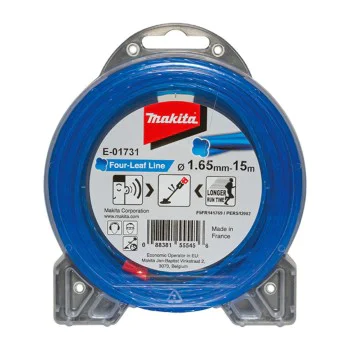
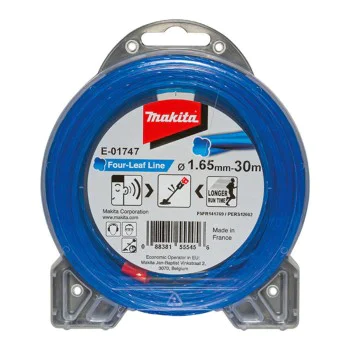
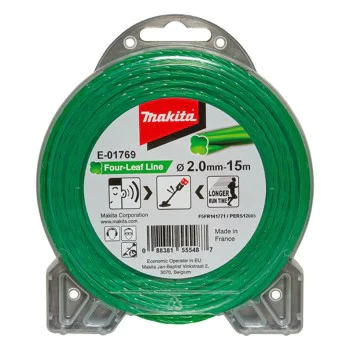
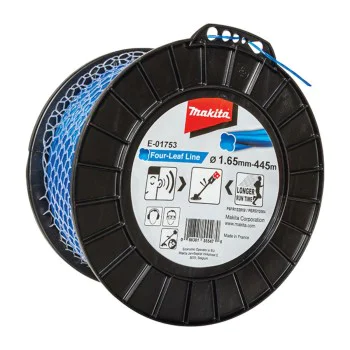
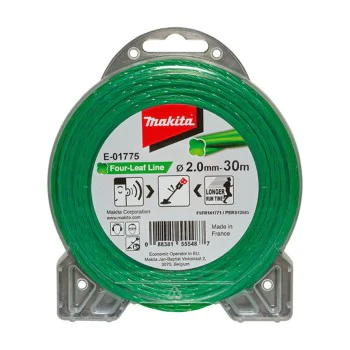
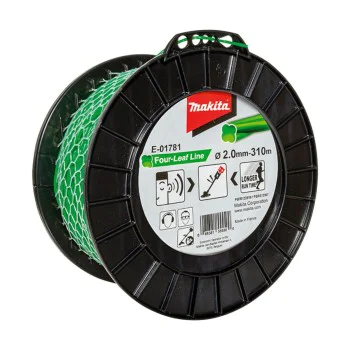
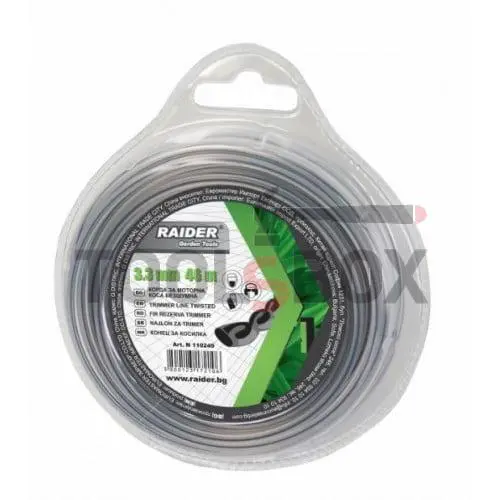
Cord for trimmer
Trimmer line for clean cutting and lawn maintenance
Trimmer line is a cutting accessory for trimmers, brush cutters, and garden tools used for shaping lawns, cleaning around curbs, fences, trees, paths, and hard-to-reach areas. A properly selected cutting line ensures even mowing, reduces strain on the machine, and makes work easier both in the home garden and during professional lawn maintenance.
Trimmer line is available in various diameters, profiles, and materials, as grass, weeds, and terrain place different stresses on the line. Thinner line is ideal for fine trimming of young grass and edging, while thicker options are preferred for denser vegetation, weeds, and extended use with brush cutters. When choosing, the machine's power, the type of cutting head, the manufacturer's recommended diameter, and the nature of the terrain are all important factors.
Types of trimmer line based on profile and application
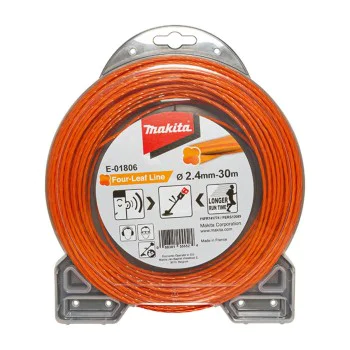
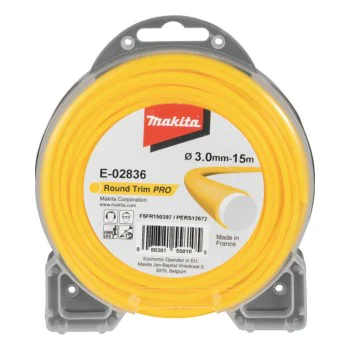
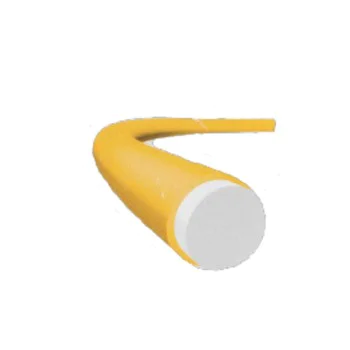
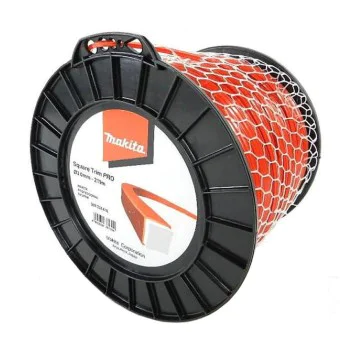
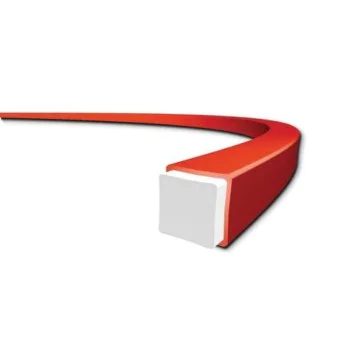
The profile of the line affects the cutting action, noise level, wear, and behavior when encountering harder obstacles. Round trimmer line is the classic choice for regular lawn maintenance and working around sensitive areas. It feeds easily from the spool and handles standard loads well. Square and star-shaped lines have more aggressive edges that cut through weeds and tougher vegetation more effectively.
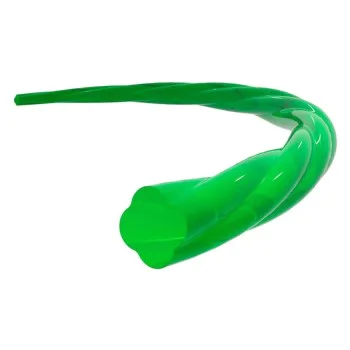
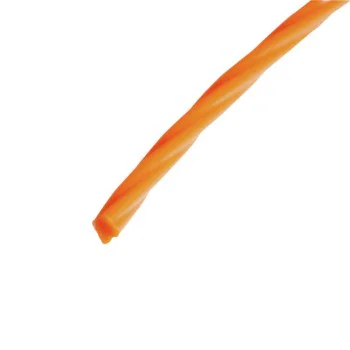
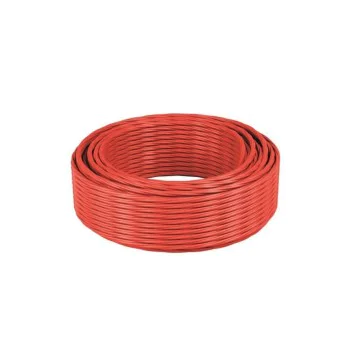
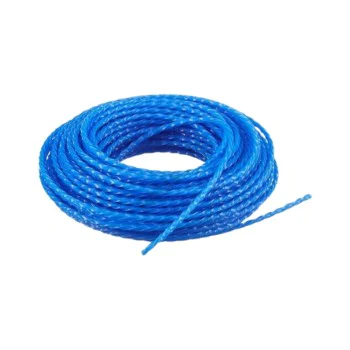
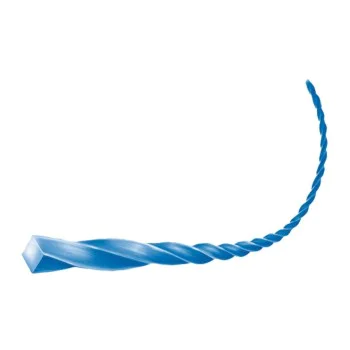
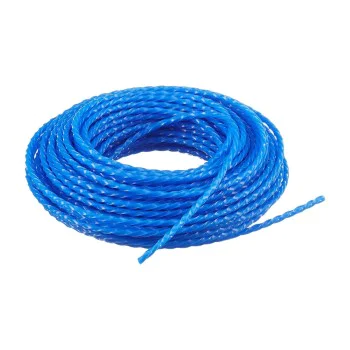
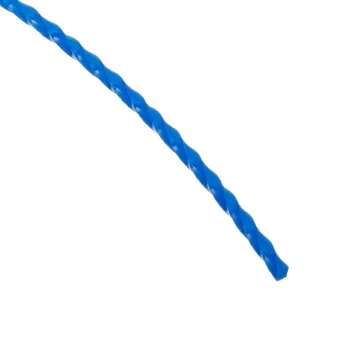
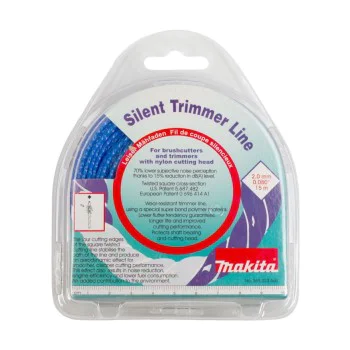
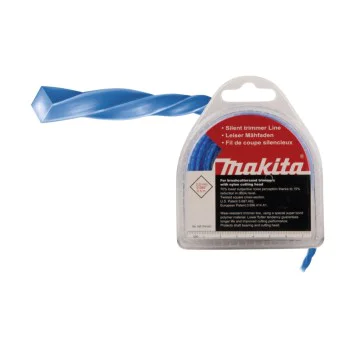
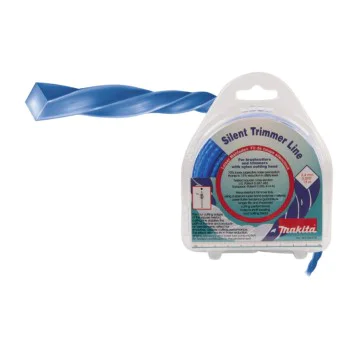
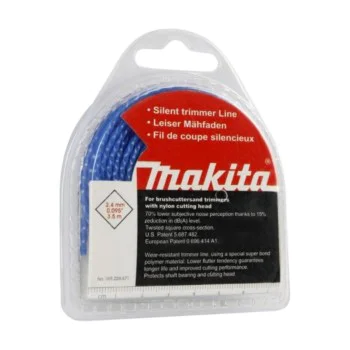
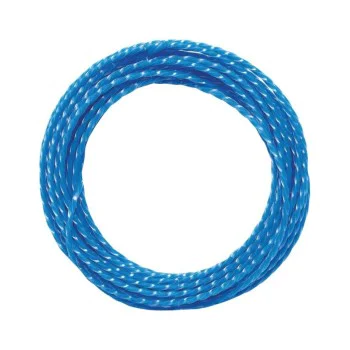
Twisted trimmer line is preferred for tasks requiring lower noise levels and stable rotation. Serrated and reinforced variants are designed for heavier-duty tasks, including clearing uncultivated areas, plot edges, and areas with dry grass. Each profile has its own practical purpose, so the selection should be based on the actual work at hand, not just the diameter.
| Blade Type | Characteristic | Usage |
|---|---|---|
| Round | Even feed and good durability | Lawn, edging, yard maintenance |
| Square | Sharper cutting edges | Weeds and denser vegetation |
| Star-shaped | Aggressive cutting with a clean cut | Shaping and more precise mowing |
| Twisted | Quieter operation and stable rotation | Longer sessions with a trimmer or brush cutter |
| Serrated | Stronger grip on tough stems | Weeds, dry grass, and rough terrain |
Selecting trimmer line based on diameter, machine, and terrain
Diameter is one of the most important parameters for trimmer line. Thinner sizes are typically designed for lower-powered electric and cordless trimmers, where light-duty use and precise trimming are desired. Medium diameters cover a large part of yard maintenance and are a practical choice for lawns, paths, and areas around fences. Thicker line is for more powerful brush cutters and for terrain with denser vegetation.
Compatibility with the machine's head is equally important. The spool has an acceptable diameter range, and a string that is too thick hinders feeding, strains the engine, and increases energy or fuel consumption. A string that is too thin, on the other hand, breaks more quickly upon contact with rocks, concrete, metal fences, or dry stems. Before purchasing, check the size against the trimmer or brush cutter manual and consider the type of vegetation you will be cutting.
Material, Shape, and Wear
The material of the cutting line affects its flexibility, resistance to breaking, behavior when heated, and how it wears down. Some variants have a reinforced structure or a multi-layered composition, designed for longer-lasting use. Others are more flexible and are gentler on the machine when trimming delicately around decorative elements. A trimmer line with a stiffer structure handles coarse vegetation better but requires a machine with sufficient power and the correct speed setting.
The cross-sectional shape also affects wear. Sharp profiles cut faster but wear out more quickly when hitting hard objects. Round profiles are gentler on contact and often perform well in mixed-use applications. During extended use, it is advisable to store the line away from direct sunlight and heat sources to prevent it from losing elasticity.
Practical Guidelines for Operation and Safety
Trimmer line operates at high speeds, so proper use reduces the risk of breakage and flying debris. Use a protective guard on the machine, safety glasses, gloves, and sturdy shoes. Do not press the head hard into the ground; better control is achieved with smooth movements and a consistent cutting height. When working near walls, curbs, and metal objects, minimize aggressive contact, as hard obstacles shorten the line's lifespan.
Regularly checking the spool, spring, and feed mechanism helps ensure smoother operation. If the line sticks together or does not feed smoothly, the cause is often improper winding, an excessively large diameter, or debris in the head. For higher-powered brush cutters, it is advisable to choose trimmer line with a diameter and profile suited to the workload to avoid vibrations and unnecessary wear on the equipment.
Trimmer line for home and professional use
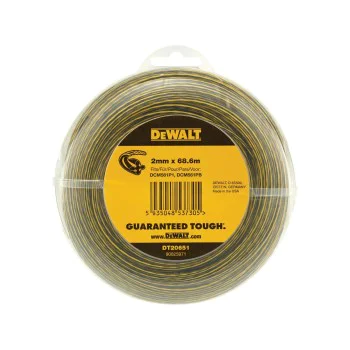
For home use, people typically look for spools and reels for seasonal maintenance of yards, gardens, common areas between buildings, and vacation homes. For professional use, the length of the spool, consistent feed, performance during prolonged mowing, and compatibility with various brushcutter heads are important. Trimmer line with the correct profile saves time when edging, removing weeds, and working in areas inaccessible to a lawn mower.
At Toolsbox.bg, you'll find a selection of trimmer line options for various garden tools, terrains, and tasks. Compare the diameter, profile, spool length, and compatibility recommendations to prepare your trimmer or brush cutter for precise, comfortable, and safe operation throughout the season.