
Gasoline compressors
Gasoline-powered compressors for operation without an electrical power supply
Gasoline compressors are self-contained machines designed to supply compressed air in areas where the electrical grid is absent, unstable, or unable to provide the required power. They are used in construction and installation work, field service operations, maintenance of agricultural and road equipment, painting, blowing, tire inflation, working with pneumatic tools, and other tasks where mobility is crucial. The gasoline engine provides independence from cables and generators, while the compressor head delivers the necessary airflow for various applications.
In the gasoline compressor section, you can select a machine based on the receiver volume, working pressure, flow rate, compressor unit type, frame design, and intended workload. Some models are compact and easy to transport in a service vehicle, while others are designed for longer operation with a larger air supply. The right choice directly affects the pace of work, pressure stability, and the machine's service life.
What Gasoline Compressors Include
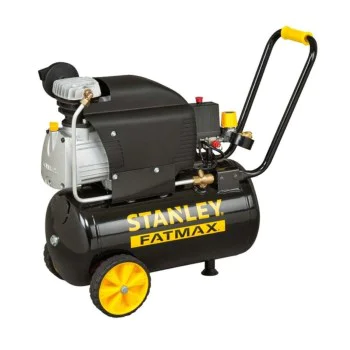
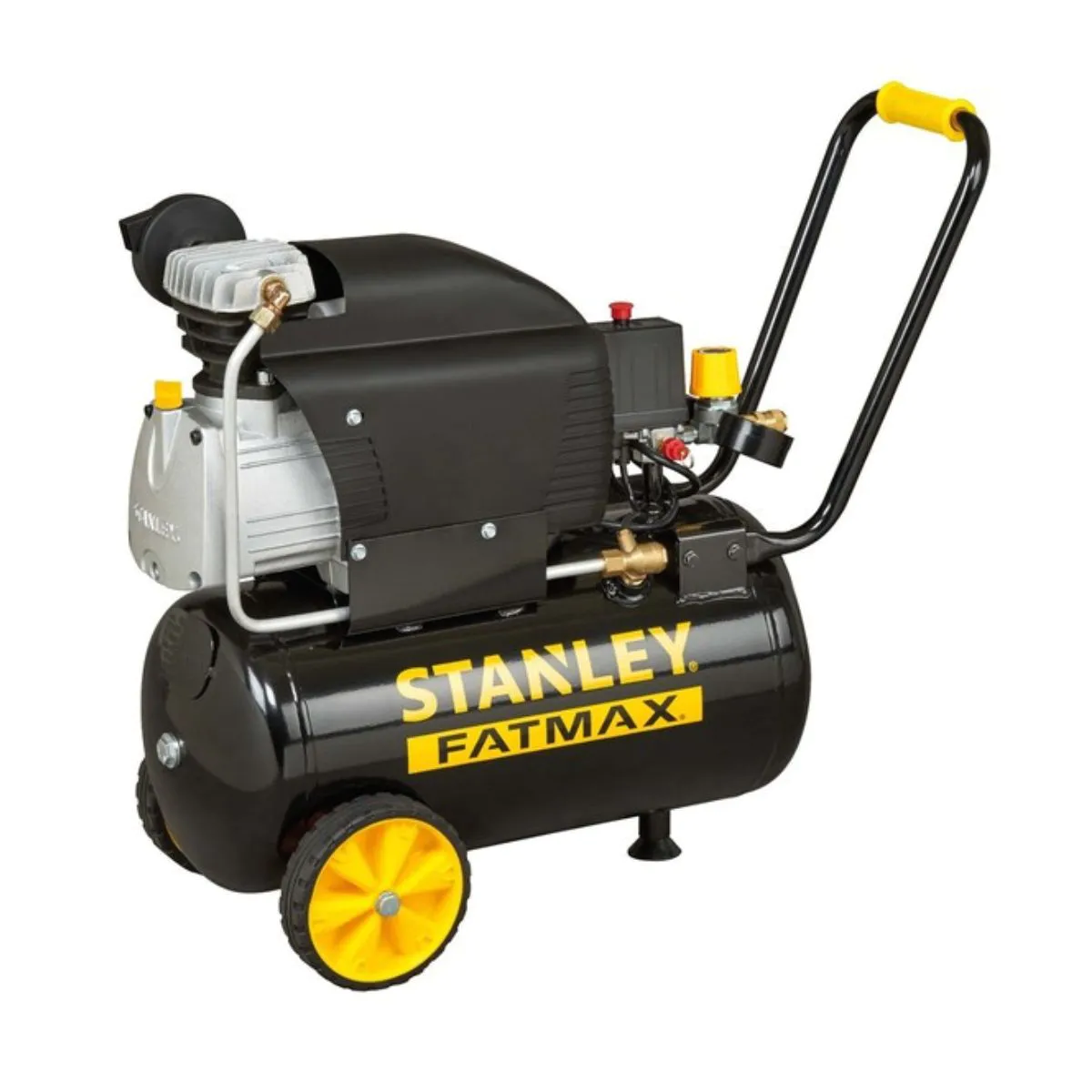
A gasoline compressor combines an internal combustion engine, a compressor head, a receiver tank, regulators, pressure gauges, safety devices, and air outlets. Some models feature an open-frame design, which facilitates maintenance and transport. Others are equipped with wheels and handles for easier movement on a construction site, in a yard, on a farm, or at a service station.
The compressor unit can be single-cylinder or two-cylinder, single-stage or two-stage for heavier loads. Oil-lubricated models are preferred for prolonged use because lubrication reduces wear on the working parts. When selecting a model, it is advisable to consider not only the maximum pressure and engine power, but also the actual air flow rate that the machine can deliver to the tool.
Applications in service, construction, and mobile work
Gasoline compressors are a practical choice for outdoor work, emergency repairs, and sites without access to a power supply. They are used for roadside assistance, on-site tire services, agricultural equipment repairs, fence installation, machine maintenance, filter blowing, cleaning parts, and powering air guns, impact wrenches, nail guns, or paint spray guns.
For painting and finishing operations, a uniform air stream and sufficient flow rate are required to prevent pressure drops during operation. Impact wrenches and pneumatic impact tools require a higher flow rate and a stable air receiver, as these tools consume more air in a short period of time. For blowing, pumping, and light assembly tasks, a more compact model may be sufficient, provided the working pressure meets the requirements of the nozzle or tool being used.
Key parameters when choosing a gasoline compressor
When selecting a gasoline compressor, it is helpful to compare several technical specifications. Air flow rate is one of the key characteristics because it indicates how much compressed air the machine can deliver over a given period of time. If the pneumatic tool requires a higher flow rate than the compressor can provide, operation will frequently be interrupted to allow the pressure to recover.
The operating pressure must match the applications-standard service tasks are often performed at moderate pressure, while some tools and processes have higher requirements. The receiver tank capacity affects the air supply and the frequency at which the compressor unit cycles on and off. A larger tank is useful for tools with uneven consumption, while a smaller one facilitates transport.
- Gasoline engine power-important for maintaining pressure under load.
- Airflow - selected based on the tool's air consumption.
- Receiver-larger capacity for longer work cycles, smaller for mobility.
- Weight and transport-wheels, handles, and a sturdy frame make it easier to move around.
- Serviceability-access to oil, filters, belts, and drain valve.
Compatibility with pneumatic tools and accessories
Compatibility between the gasoline compressor and pneumatic tools is determined by flow rate, pressure, quick-connect size, hoses, and regulators. A thin or very long hose can restrict airflow, even when the compressor has sufficient capacity. When working with an impact wrench, grinder, paint sprayer, or nail gun, it is advisable to follow the tool's recommended specifications and allow for some reserve in the machine's capacity.
Accessories also play a role in the final result. Filter-regulators help control pressure and remove moisture; oilers are useful for some pneumatic tools; and high-quality quick-connect fittings reduce air loss. For painting, hoses and filters are used to limit contamination of the air line. For service work, durable coiled or straight hoses facilitate movement around the vehicle or machine.
Safety, Maintenance, and Long Machine Life
Gasoline compressors operate on fuel and compressed air, so safe operation requires good ventilation, stable positioning, and regular inspection of key components. The machine must not be started in enclosed spaces without exhaust venting. Before operation, check the oil level, the air filter, the condition of the hoses, the connections, and the safety valve.
After operation, drain the condensate from the receiver via the drain valve to minimize internal corrosion. Cleaning the filters, changing the oil, and inspecting the belt drive on applicable models extend the compressor's service life. During transport, the machine should be securely fastened, and fuel and oil should be stored according to the manufacturer's instructions.
Gasoline Compressors for Professional and Home Use
For professional teams, a gasoline compressor is an essential part of mobile equipment because it allows work on job sites, roads, agricultural fields, and remote service locations. For demanding home users, such a machine is invaluable for maintaining property, yards, garages, trailers, equipment, and tools, especially when tasks are performed far from an electrical outlet.
At Toolsbox.bg, you can select gasoline compressors based on actual workload, required air flow, tank size, and method of transport. Browse the models, compare specifications, and choose a machine that suits your tools, work environment, and planned tasks.