
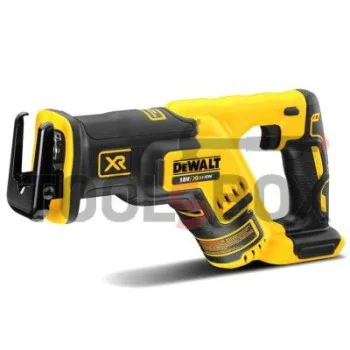
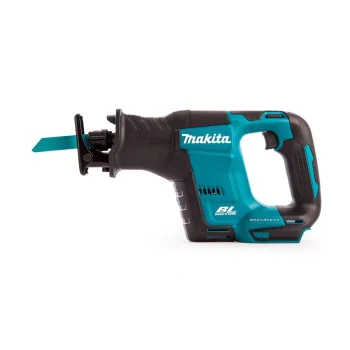
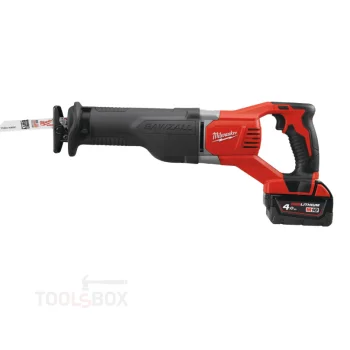
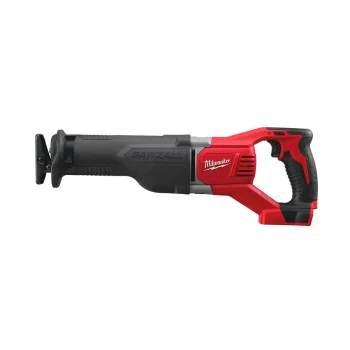
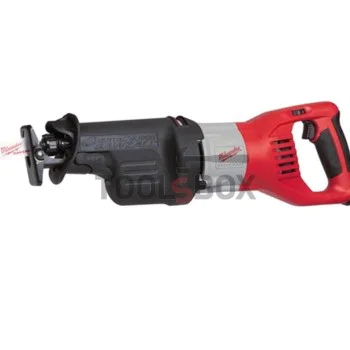
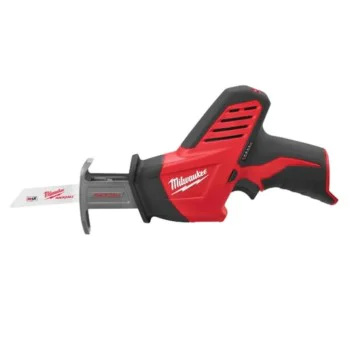
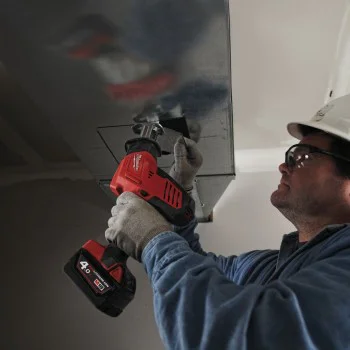
-350x350.jpeg.webp "Reciprocating Saw - Milwaukee, C12HZ-0, Bare Tool, 4933411925")
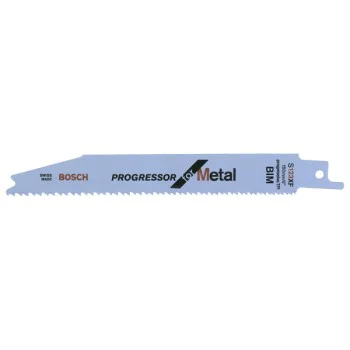
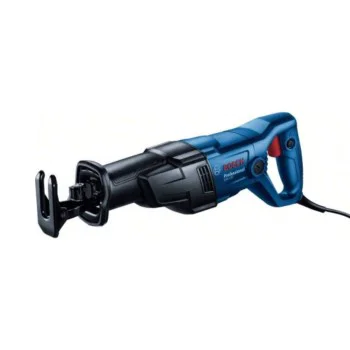

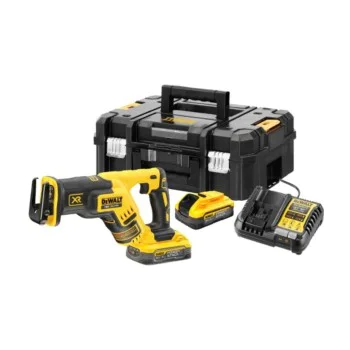
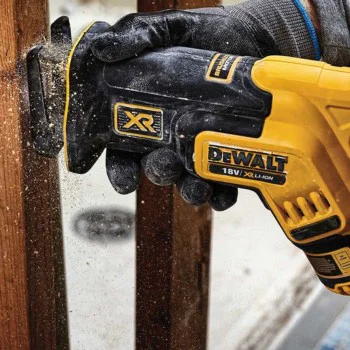
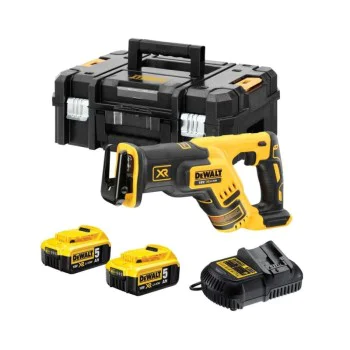
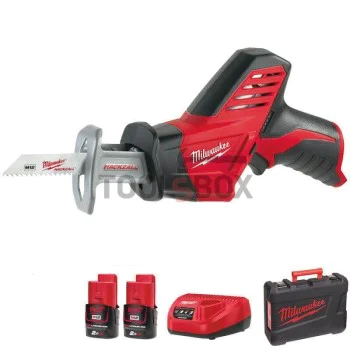
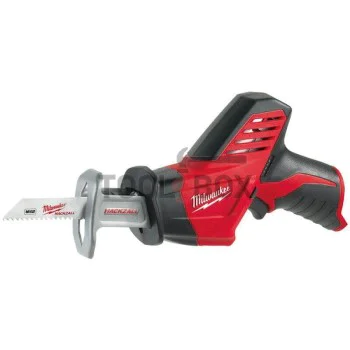
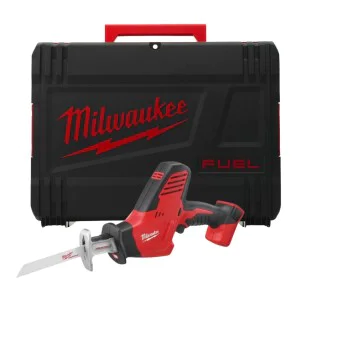
Sabre saws
Sabre Saw
Efficiency and Precision for Every Project
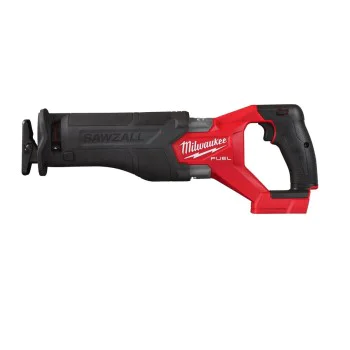
The reciprocating saw is one of the most versatile tools, suitable for both home projects and professional construction tasks. Combining precision and power, this tool can cut a wide range of materials, including wood, metal, plastic, and sometimes even concrete. Its ability to make quick and efficient cuts makes it the preferred choice for both professionals and DIY enthusiasts.
What is a reciprocating saw?
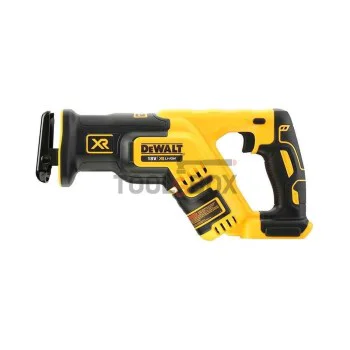
It is a handheld power tool that operates by moving the cutting blade back and forth in a linear motion, similar to a hand saw, but with an electric drive. This saw is particularly useful in situations where cuts need to be made in hard-to-reach places that standard tools cannot access. With the ability to use different types of blades, this tool handles both soft and hard materials with ease.
Applications of the reciprocating saw
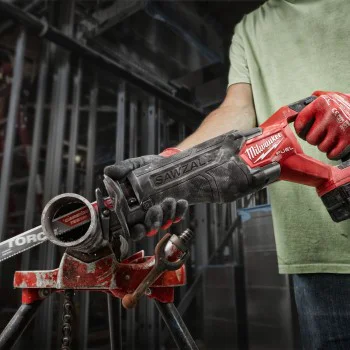
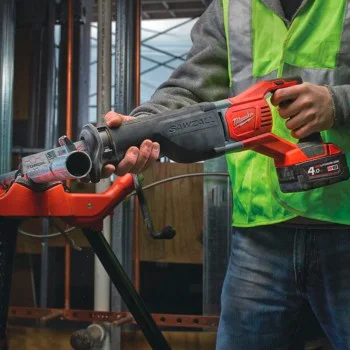
One of the main reasons for this tool's popularity is its versatility, which makes it exceptionally suitable for various tasks in both professional and home settings. It is often used for demolition work, as it is highly effective at removing old structures. For example, removing window frames or metal elements becomes easier and faster thanks to its ability to cut through various materials with minimal effort. This makes it an ideal choice for any renovation project where existing structures need to be demolished or replaced.
The tool is indispensable for construction repairs, as it offers flexibility and easy access to hard-to-reach places where traditional tools are not as effective. Cutting through walls, pipes, and metal profiles is much more efficient with it, making it the go-to choice for many builders and craftsmen.
In addition, the tool is excellent for gardening, as the long blades allow for easy trimming of branches and hedges. Its portability and ease of use make this tool a favorite for yard and garden maintenance, especially when it comes to cutting thicker branches or larger shrubs.
Whether used for cutting wood or metal, this tool handles the task with ease and ensures speed and precision. Cutting wooden beams and metal pipes becomes easier thanks to the ability to swap out different blades depending on the task. In home projects, this tool also plays an important role in building furniture, decorations, or other similar tasks where speed and precision are essential.
Types of Reciprocating Saws
Several main types are available on the market, each of which meets different needs and projects:
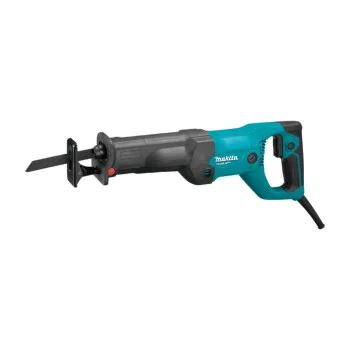
- Electric: These are the most common models, powered by the electrical grid. They are suitable for long-term use and offer consistent power. Electric models are typically preferred for heavier tasks, as they do not require recharging.
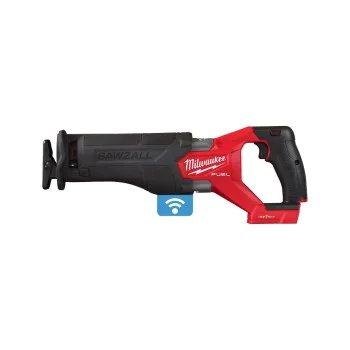
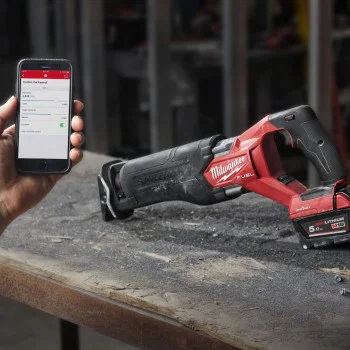
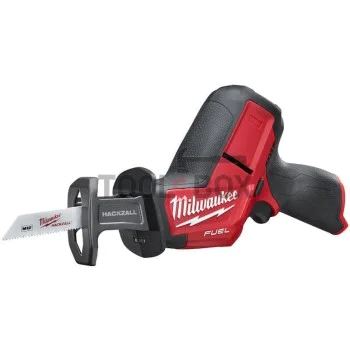
- Cordless: These models are battery-powered, making them particularly suitable for outdoor work or in areas without access to electricity. They offer mobility, but it is important to be mindful of battery life.
- Pneumatic: These saws are primarily used in industrial settings and rely on compressed air for power. They offer high power and durability, making them suitable for demanding work conditions.
Advantages of the reciprocating saw
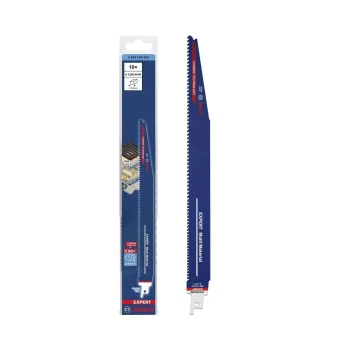
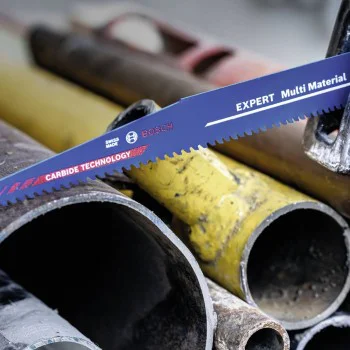
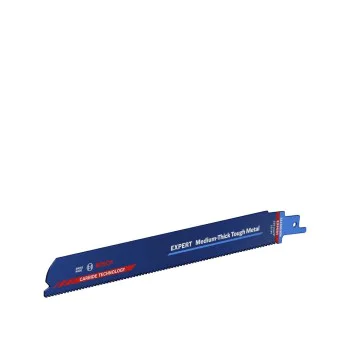
The reciprocating saw offers a number of advantages that make it an extremely valuable tool for both professional and DIY tasks. One of its main advantages is its versatility. Thanks to the ability to use different types of blades, this tool can cut materials of varying hardness, including wood, metal, and plastic. This makes it suitable for a wide range of tasks, ranging from construction to repair work and even gardening. Regardless of the type of material, this saw guarantees precision and efficiency.
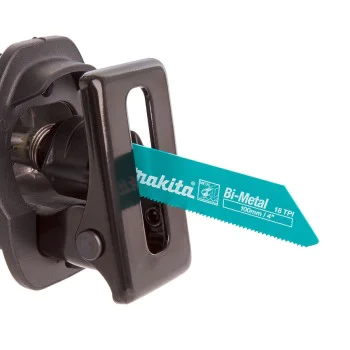
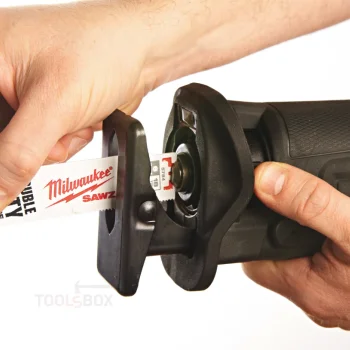
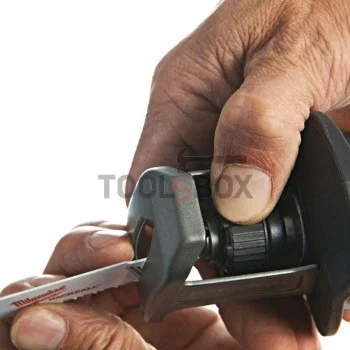
Mobility is another major advantage of this tool, especially with cordless models, which provide complete freedom of movement. This is particularly useful when working outdoors or in places where there is no easy access to electricity. At the same time, electric models provide consistent power, suitable for prolonged tasks without interruptions. Another important feature of the reciprocating saw is the easy blade change, which allows for quick adaptation to different types of materials, significantly simplifying the work process and increasing productivity.
How to Choose the Right Reciprocating Saw?
When choosing a reciprocating saw, it is important to consider several key factors to ensure it meets your specific needs. One of the most important factors is the tool's power. Higher power is essential for heavy-duty tasks such as cutting metal, concrete, or hardwood. More powerful models offer greater durability when working with dense materials and reduce the likelihood of overheating during prolonged use. These models are particularly suitable for professional construction sites and industrial applications where high performance and long-term operation are required.
If the tasks you plan to tackle involve lighter materials such as PVC, drywall, or softwood, you can choose a model with lower power. Reciprocating saws with a compact design and lower power are easier to maneuver and provide better control during operation. This makes them suitable for home projects and renovations, where lightness and convenience are important factors for achieving good results.
Another key aspect is the power source. Reciprocating saws come in two main types-electric and cordless. Electric models are ideal for tasks that require continuous, uninterrupted operation, such as cutting large volumes of material. They provide a constant power supply and do not require recharging. This makes them suitable for use in places where access to electricity is not an issue, such as in workshops or construction sites with electrical infrastructure.
On the other hand, cordless reciprocating saws offer greater flexibility and mobility since they are not dependent on the electrical grid. This makes them ideal for outdoor work or in places where electrical power is hard to access. Models with lithium-ion batteries offer long-lasting power, allowing for extended operation with minimal interruptions for recharging.
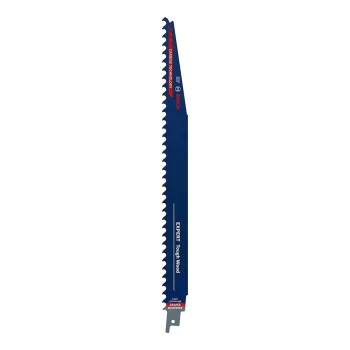
Blade length is also an important factor when choosing a reciprocating saw. For larger and heavier tasks, such as cutting thick wood or metal materials, longer blades are more effective. They allow for faster and deeper cuts, which is beneficial for high-volume tasks. In contrast, shorter blades provide more precise cutting and greater control over the details of the material, making them more suitable for fine work.
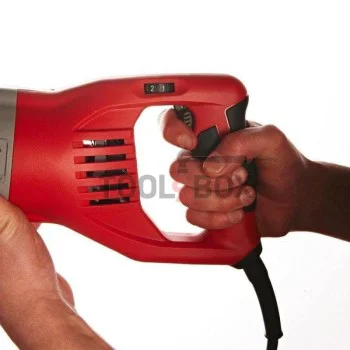
Last but not least, the ergonomics of a reciprocating saw are crucial, especially during prolonged use. Models with an ergonomic design, a comfortable grip, and rubber handles provide greater comfort and reduce hand fatigue during use. Balanced models offer better control and stability, which is important when performing precise tasks in confined spaces.
Additional features such as variable speed, anti-vibration systems, and easy blade changes can also improve the tool's performance. Variable speed allows the user to adjust the power output according to the material being cut, while anti-vibration systems reduce fatigue and increase comfort during prolonged use.
Reciprocating Saw Maintenance
To keep your reciprocating saw in optimal condition and extend its life, you need to follow some basic maintenance steps:
- Regular cleaning: Clean the tool of accumulated chips and dust after each use to prevent the moving parts from jamming.
- Lubricating moving parts: Regularly lubricate the moving components to maintain the saw's smooth operation.
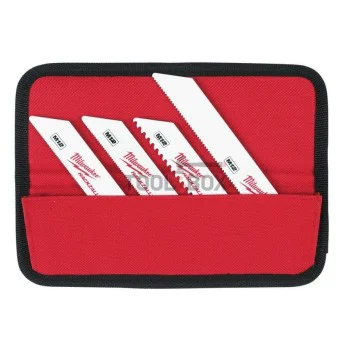
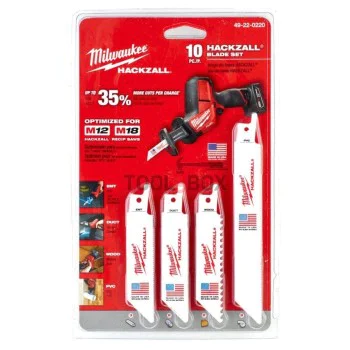
- Replacing the blades: When the blade wears out, you need to replace it to maintain cutting quality and precision.
- Checking the power cords: For electric models, regularly check the condition of the cords to prevent damage.
Safety When Working with a Reciprocating Saw
When working with a reciprocating saw, it is essential to follow safety rules to prevent accidents and injuries. Most importantly, wear safety goggles to protect yourself from small particles of material that may fly off during cutting. Gloves are also essential, as they protect your hands from accidental cuts when handling sharp blades. Additionally, it is important to ensure that the material you are cutting is securely clamped to avoid dangerous shifts or unexpected movements that could lead to injuries or cutting inaccuracies.
The reciprocating saw is one of the most versatile tools, ideal for both professional tasks and home projects. Thanks to its precision and maneuverability, it is extremely effective at cutting wood, metal, and other materials, while ensuring high safety and comfort when used correctly.