

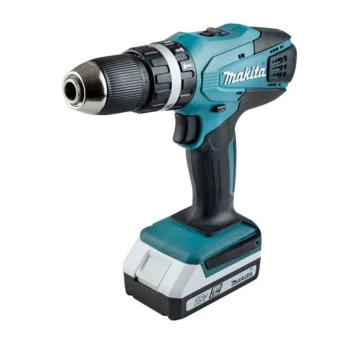
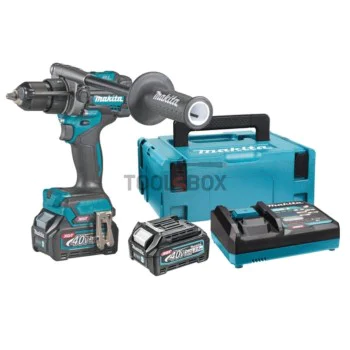
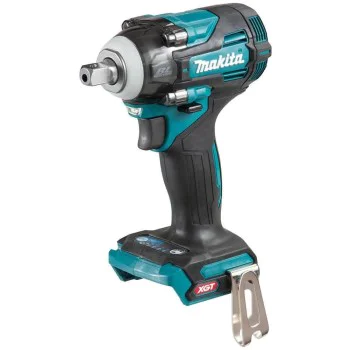
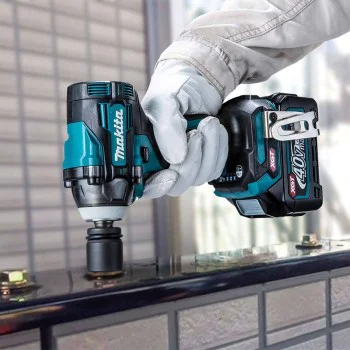


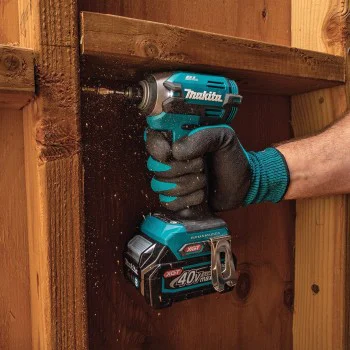
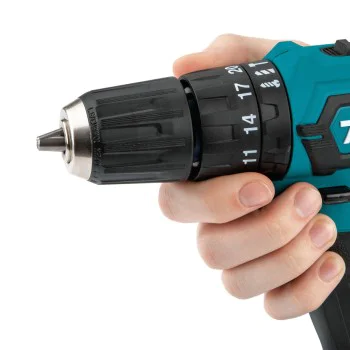
-350x350.jpeg.webp "Impact Driver - Makita, XGT Brushless, 40 V, TD003GZ")
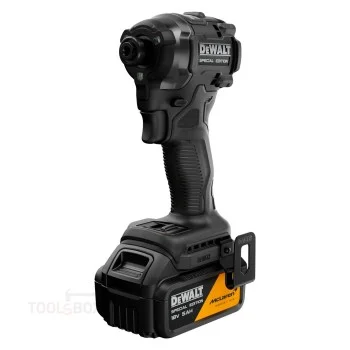
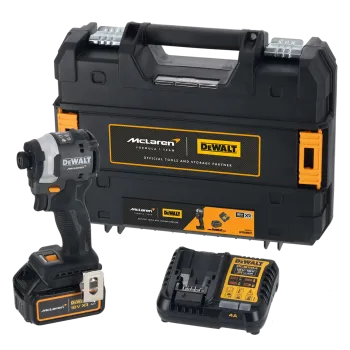
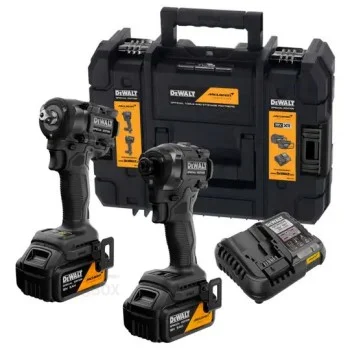
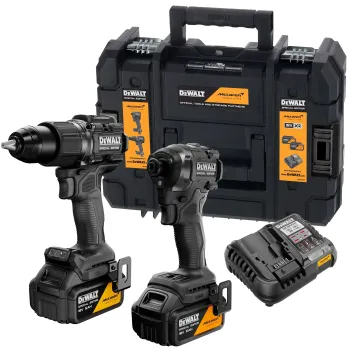
-350x350.jpeg.webp "Cordless Impact Drill Driver and Impact Wrench Set - DeWALT, McLaren F1 XR")
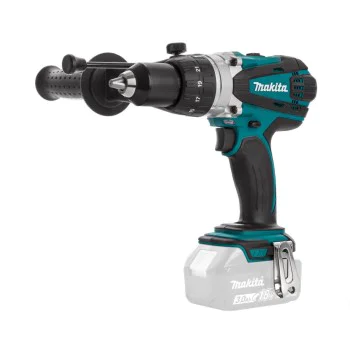
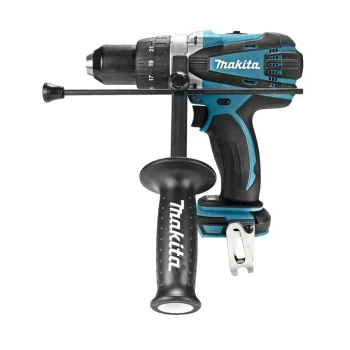
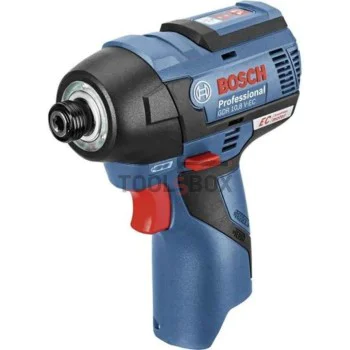
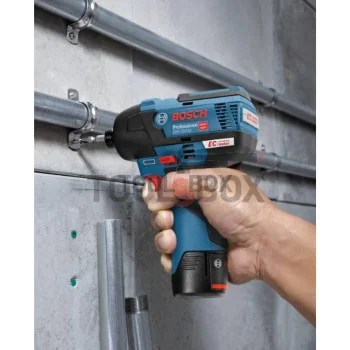
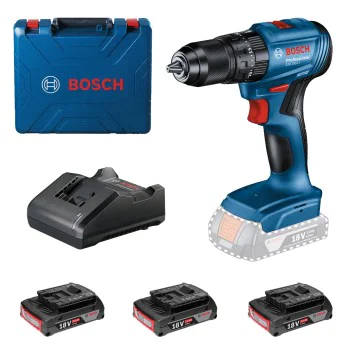
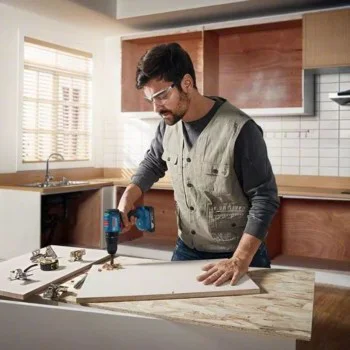
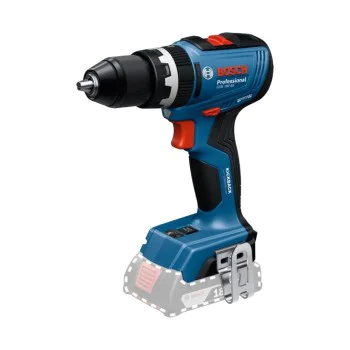
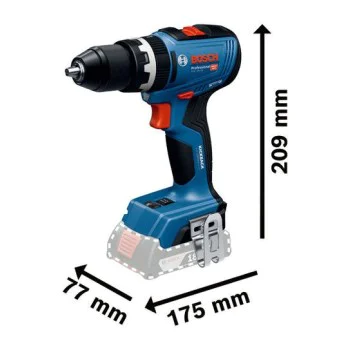
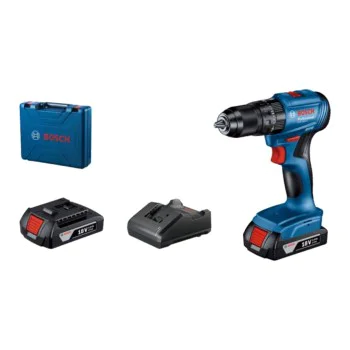
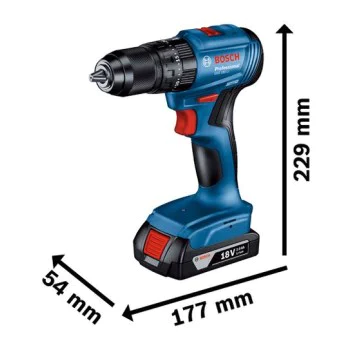
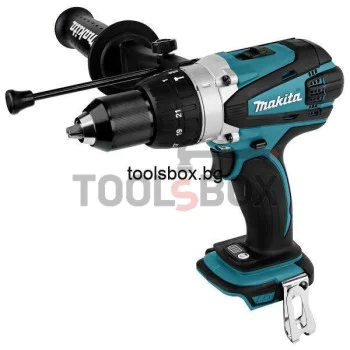
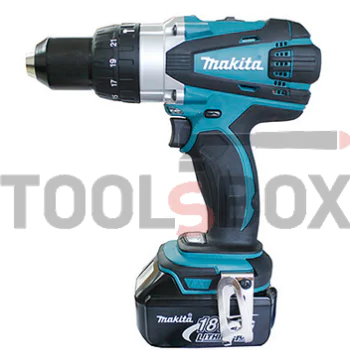
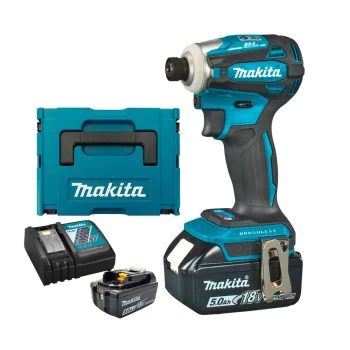
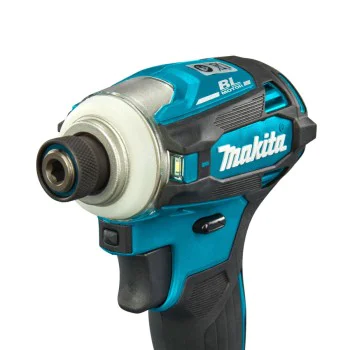
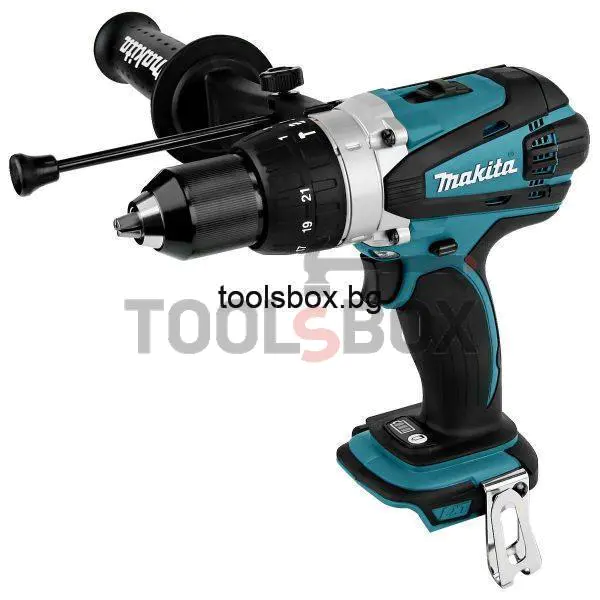
Cordless impact drills
Cordless impact drivers for installation, repair, and maintenance
Cordless impact drivers are tools designed for quickly tightening and loosening screws, rivets, bolts, and other fasteners during cordless operation. They combine rotational motion with a tangential impact, which aids in loosening tight joints and driving longer screws into dense materials. When assembling wooden structures, metal profiles, cladding, furniture, fences, or performing maintenance repairs, the impact driver reduces the strain on the hand and provides better control over the fastener.
This type of screwdriver differs from standard cordless screwdrivers in the way it transmits power to the bit. Instead of constant pressure with high torque, the impact mechanism delivers short pulses in the direction of rotation. This allows the tool to handle stubborn screws with confidence without overloading the wrist. This makes them a valuable choice for installers, carpenters, drywall installers, auto repair shops, workshops, and demanding DIYers.
Applications of cordless impact drivers
A cordless impact driver is useful when working with many fasteners, in confined spaces, or with materials that offer greater resistance. The cordless power source facilitates installation on job sites, work on roofs, in yards, garages, warehouses, and locations without convenient access to the electrical grid. The tool allows for quick switching from one fastener to another, and the compact body makes it easy to work between profiles, in corners, and in tight spaces.
- Carpentry and furniture making-driving screws into solid wood, panels, beams, battens, and structural elements.
- Drywall and installation - fastening metal profiles, suspended structures, cladding, and light-duty support systems.
- Service and maintenance-loosening tight screws, working on machinery, equipment, doors, hinges, and mechanisms.
- Home repairs-assembly, repairs, and fastening of shelves, fences, sheds, and garden structures.
Differences between individual models
Cordless impact drivers differ in battery voltage, torque, RPM, impact rate, chuck type, dimensions, and controls. The more compact models are convenient for overhead work, cabinet installation, and everyday tasks with smaller screws. The more powerful versions are designed for long fasteners, rough installation, wood structures, and more intensive professional use.
On some models, speed is adjusted via the trigger, while others feature multiple modes for different materials and fastener sizes. Electronic control helps ensure a more precise start to the screwing process and reduces the risk of damaging the screw head. LED lighting makes it easier to work in dark areas, and the metal belt clip is convenient for working at heights or when frequently changing positions.
Chuck, Bits, and Compatibility
Many cordless impact drivers use a 1/4" hex drive, which allows for quick bit changes. For optimal results, impact-resistant bits, holders, and adapters designed for impact loads are required. Standard bits can wear out more quickly under heavy impact use, so the right accessories are crucial for clean work and the tool's longevity.
When working with bolts and nuts, adapters for sockets are used, but the load and size of the fasteners must match the screwdriver's capabilities. For heavy-duty automotive and industrial tasks, an impact wrench is often required, while an impact driver is more maneuverable for screws, fasteners, and medium-load connections.
How to Choose a Cordless Impact Driver
When selecting a tool, consider the actual work you will be performing. For installing furniture, wainscoting, drywall profiles, and light-duty structures, prioritize a compact body, low weight, and smooth speed control. For wooden beams, long screws, and harder materials, look for higher torque, a stable battery platform, and good handle ergonomics.
- Torque - indicates the force when tightening and loosening; higher values are needed for longer and thicker fasteners.
- Voltage and battery-12 V models are lightweight and compact, while 18 V machines offer more power for heavy-duty work.
- RPM and impact rate-affect the speed of tightening and performance in different materials.
- Weight and balance-important for extended use, overhead installation, and frequent position changes.
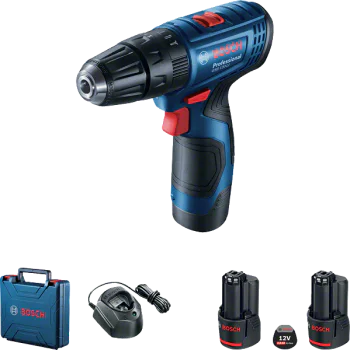
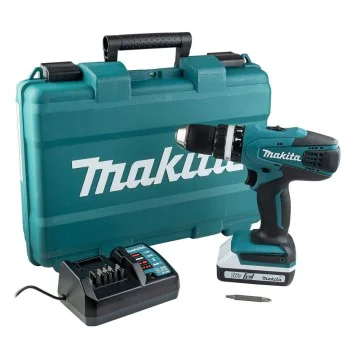
- Package - some models come with batteries and a charger, others as a standalone unit for an existing cordless system.
Batteries, chargers, and operation within a single system
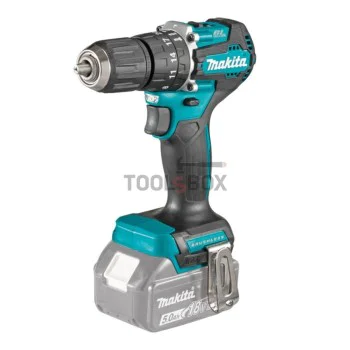
For cordless tools, battery compatibility is a key criterion for practical use. If you already own tools from the same brand and series, a tool body without a battery is often a sensible option for expanding your set. For a first purchase, a set with a battery and charger makes getting started easier and ensures the machine is ready to use immediately after charging.
Battery capacity affects runtime on a single charge. Smaller batteries reduce weight and are convenient for delicate installations, while larger capacity is valuable for extended tasks and working away from the charger. For professional use, a two-battery set is often preferred to avoid downtime during charging.
Safety, Maintenance, and Good Work Habits
An impact driver generates high impact loads, so a good fit between the bit and the fastener is crucial. An unsuitable bit, excessive speed, or an incorrect angle can damage the screw head and the surrounding material. Wear safety goggles when working with metal, wood, or old structures where there is a risk of chips and flying debris.
Regular cleaning of the ventilation slots, storing the tool in a dry place, and properly charging the batteries extend the tool's service life. Check the condition of the bits and adapters, as worn-out accessories can cause slippage and reduced control. During prolonged use, alternate between modes and adjust the load according to the material to protect both the fasteners and the tool.
Cordless Impact Drivers at Toolsbox.bg
At Toolsbox.bg, you can browse cordless impact drivers for installation, maintenance, construction, and home workshops. Compare models by torque, battery platform, chuck, weight, operating modes, and accessories. This way, you'll select a tool that meets the actual tasks, the fasteners used, and the workload in your work environment.