
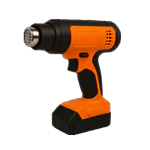
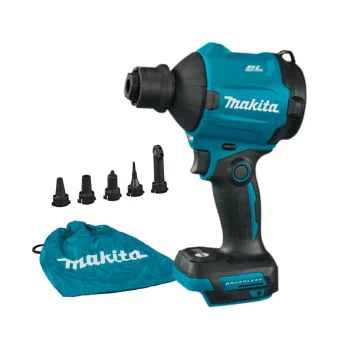
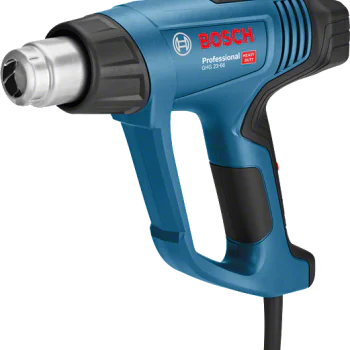
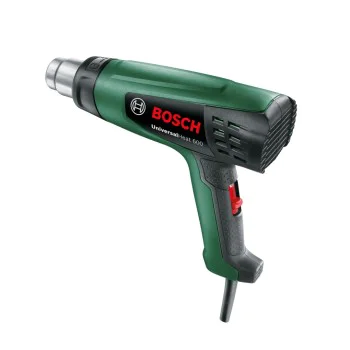
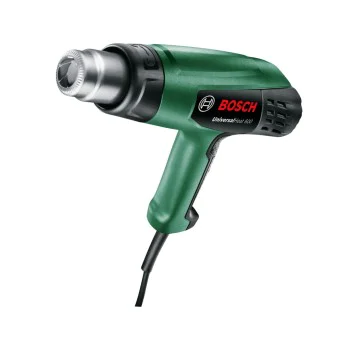
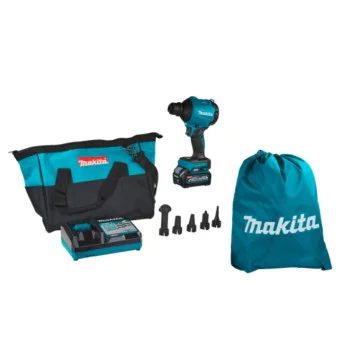
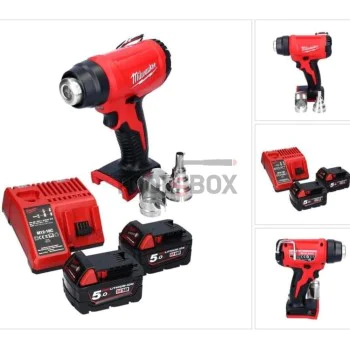
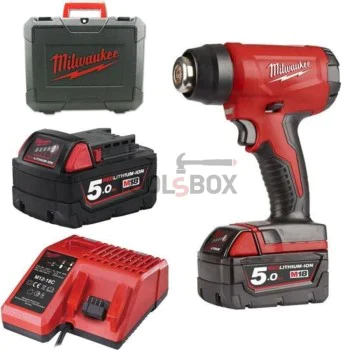
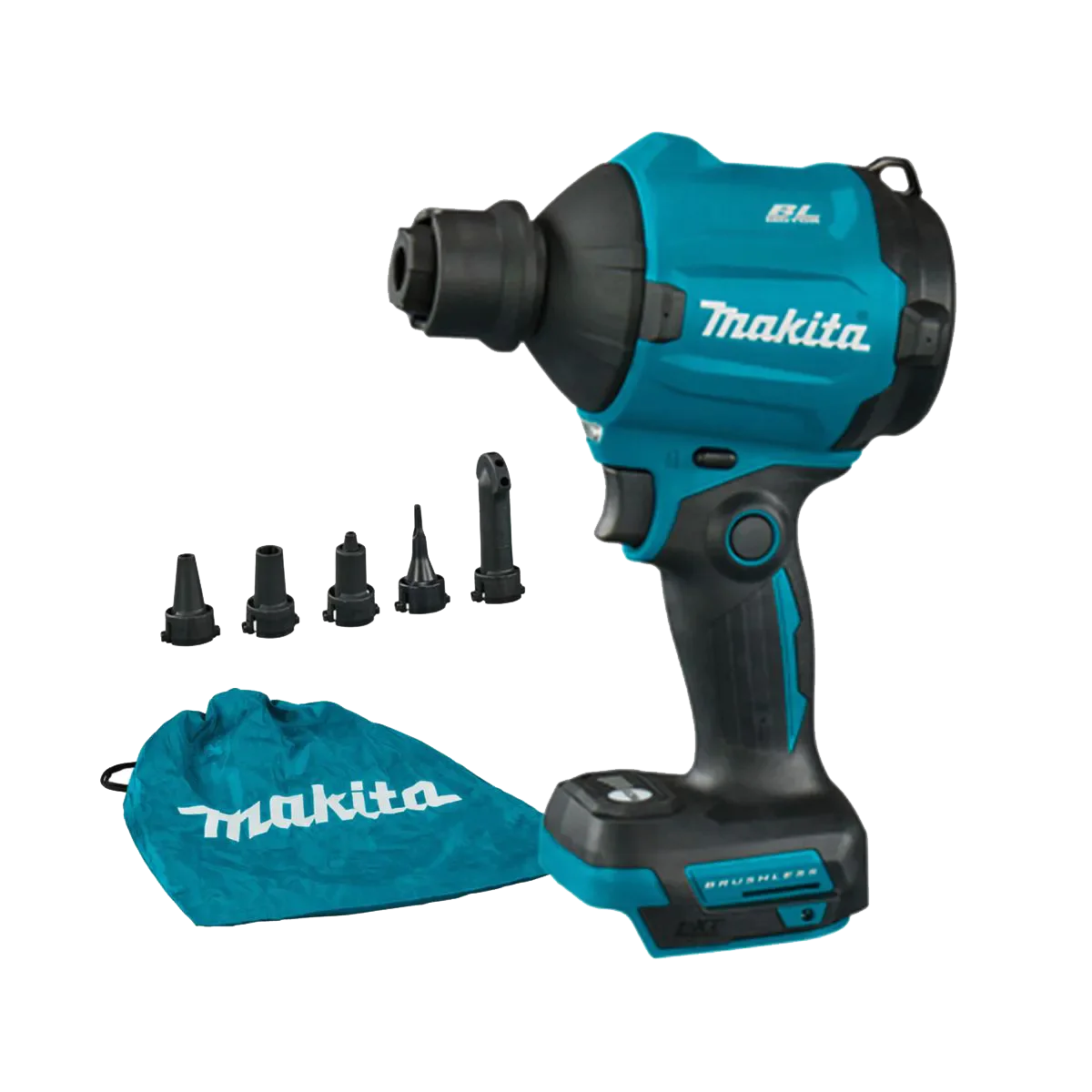
Hot air guns
Cordless Hot Air Guns
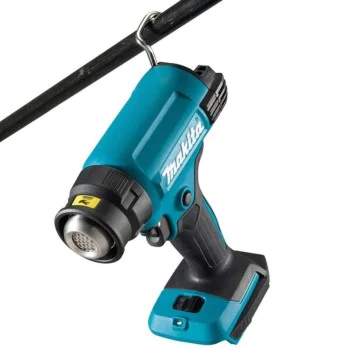
Cordless hot air guns are practical power tools for heating, shaping, shrinking, and separating materials without the need for contact with the surface. They are invaluable for installation, maintenance, repair work, finishing operations, and tasks in areas without convenient access to an electrical outlet. The hot air stream is directed in a controlled manner toward the work area, while the operator retains freedom of movement around the workpiece, cable runs, pipes, cladding, or structural elements.
At Toolsbox.bg, you'll find cordless models designed for professional use in workshops, on-site installation, and demanding home projects. The differences between the individual tools are evident in the temperature range, air flow rate, nozzle set, ergonomics, warm-up time, battery compatibility, and control method. Thus, the choice depends on the type of materials, frequency of use, and the available battery platform.
Main applications of hot air guns
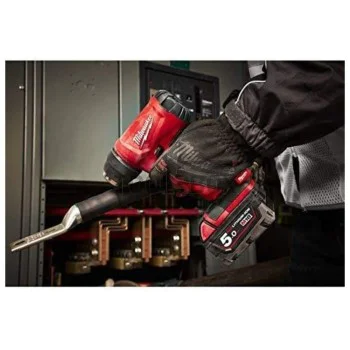
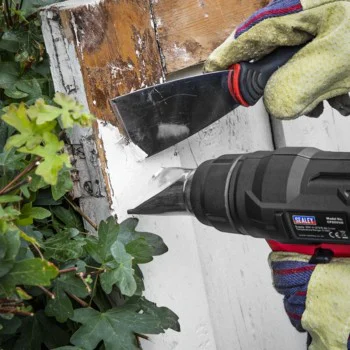
The cordless hot air gun is particularly convenient for tasks where precision and mobility are crucial. In electrical installation, it is used for shrinking heat-shrink tubing, insulating connections, and processing cable bundles. In construction and renovation, it is used to soften paints, varnishes, adhesives, films, and sealants, to heat plastic parts, and for work around window frames, pipes, or cladding elements.
In service and workshop settings, this tool is useful for removing stickers, heating threaded connections, shaping plastics, preparing surfaces, and working with packaging or protective materials. For hobby projects and home maintenance, the heat gun facilitates minor repairs, modeling, decoration, shrinking film, and precise heating of small areas. For delicate materials, a lower temperature and lower airflow are selected, while rougher surfaces require a more powerful setting.
Types and main differences between models
Hot air guns differ in their temperature control. Some models operate with preset levels, which are convenient for repetitive tasks. Others feature more precise adjustment, useful for sensitive plastics, foils, paint coatings, and electrical insulation materials. The airflow rate determines how quickly the area heats up and how evenly the heat is distributed.
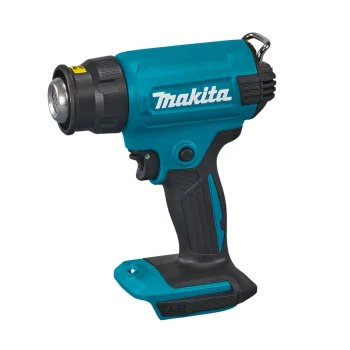
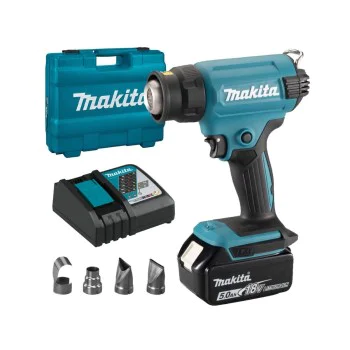
For cordless models, the battery and charger play a significant role. Some models are sold as a standalone unit, intended for users who already have compatible batteries. Other kits include a battery and charger, which makes it easier to get started with a new platform. Compare the voltage, battery series, and included accessories, as tools that look similar don't always work with the same battery.
Nozzles and attachments for more precise work
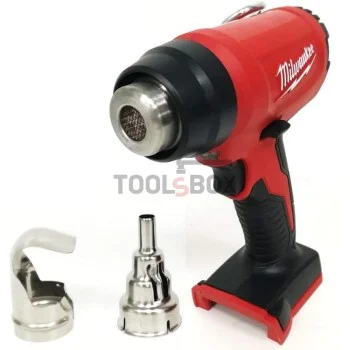
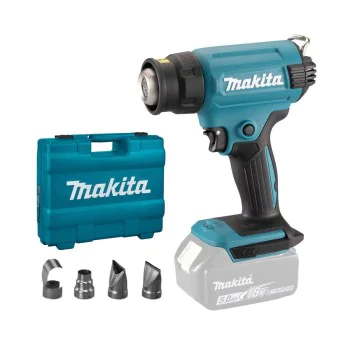
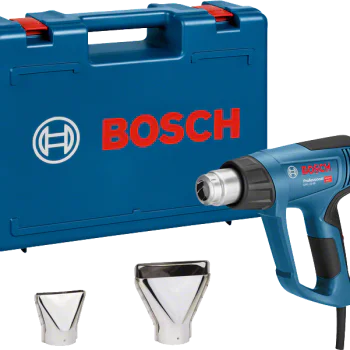
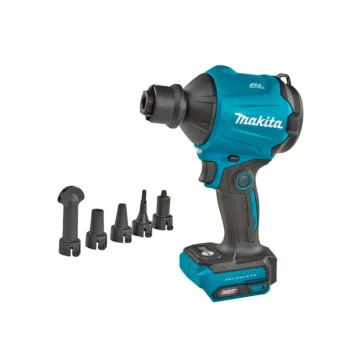
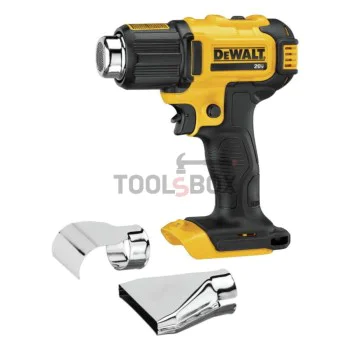
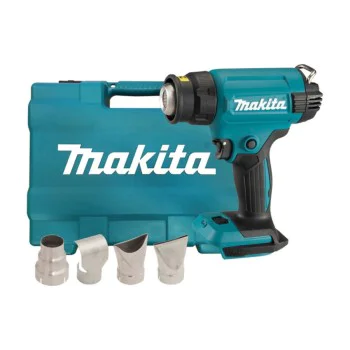
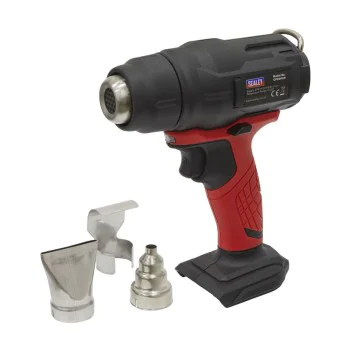
Nozzles direct the air stream and alter how heat reaches the material. The reducing nozzle concentrates the air into a small area and is suitable for heat-shrink tubing or localized heating. The flat nozzle distributes the jet more widely when removing paint, foil, or adhesive layers. The reflector nozzle covers pipes and cables from multiple sides, which is useful for even shrinking or heating. The accessory kit saves on additional purchases and expands the tool's applications.
How to Choose a Heat Gun
When purchasing, compare specifications based on actual performance, not just appearance. The temperature must be suitable for the materials you're working with, and the airflow must be sufficient for the size of the work area. For installers and service technicians, low weight, a comfortable grip, and stable placement on a work surface are significant advantages. For repair work on larger areas, a higher airflow rate, quick reach of operating temperature, and wide-jet nozzles are valuable.
| Criterion | What to compare | Practical benefits |
|---|---|---|
| Temperature range | Steps or continuous adjustment | Better control with plastic, paint, film, and hose |
| Air flow | Jet strength and range | Faster heating of small or larger areas |
| Power supply | Voltage, battery series, package contents | Compatibility with existing batteries and chargers |
| Nozzles | Reducing, flat, reflector | More precise heat targeting depending on the task |
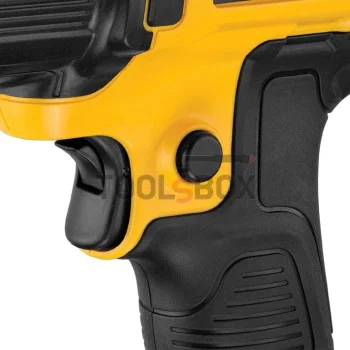
| Ergonomics | Weight, handle, pause function | Less fatigue during prolonged use |
Safety, operation, and maintenance
Hot air requires careful handling of materials and the surrounding environment. Keep the nozzle at a safe distance from the surface, move the jet smoothly, and avoid prolonged heating of a single spot. When working with paint, adhesives, and plastics, work in a well-ventilated area, as heating releases odors and fumes. Wear gloves and safety goggles when removing, scraping, or working above eye level.
After finishing, let the nozzle cool on a heat-resistant surface and do not immediately store the tool in a bag or cabinet. Clean the air intake vents of dust, shavings, and fibers, as good ventilation protects the heater and electronics. Do not direct the spray toward the battery, charger, or flammable materials. When working with older types of building coatings, check the composition of the layer and choose a removal method that is safe for the room and the operator.
A practical choice for installation, repair, and maintenance
Cordless hot air guns are a great choice for craftsmen, technicians, installers, and DIYers who value mobility and control over heating. They handle tasks ranging from fine electrical insulation to working on larger surfaces, provided they are selected based on temperature, airflow, battery system, and available attachments.
Browse the selection at Toolsbox.bg and choose a hot air gun that suits your workflow, is compatible with your battery platform, and comes with the nozzles needed for your specific installation, repair, or maintenance tasks.