
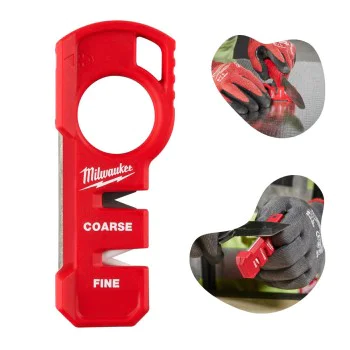
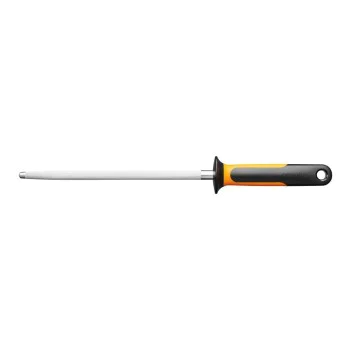
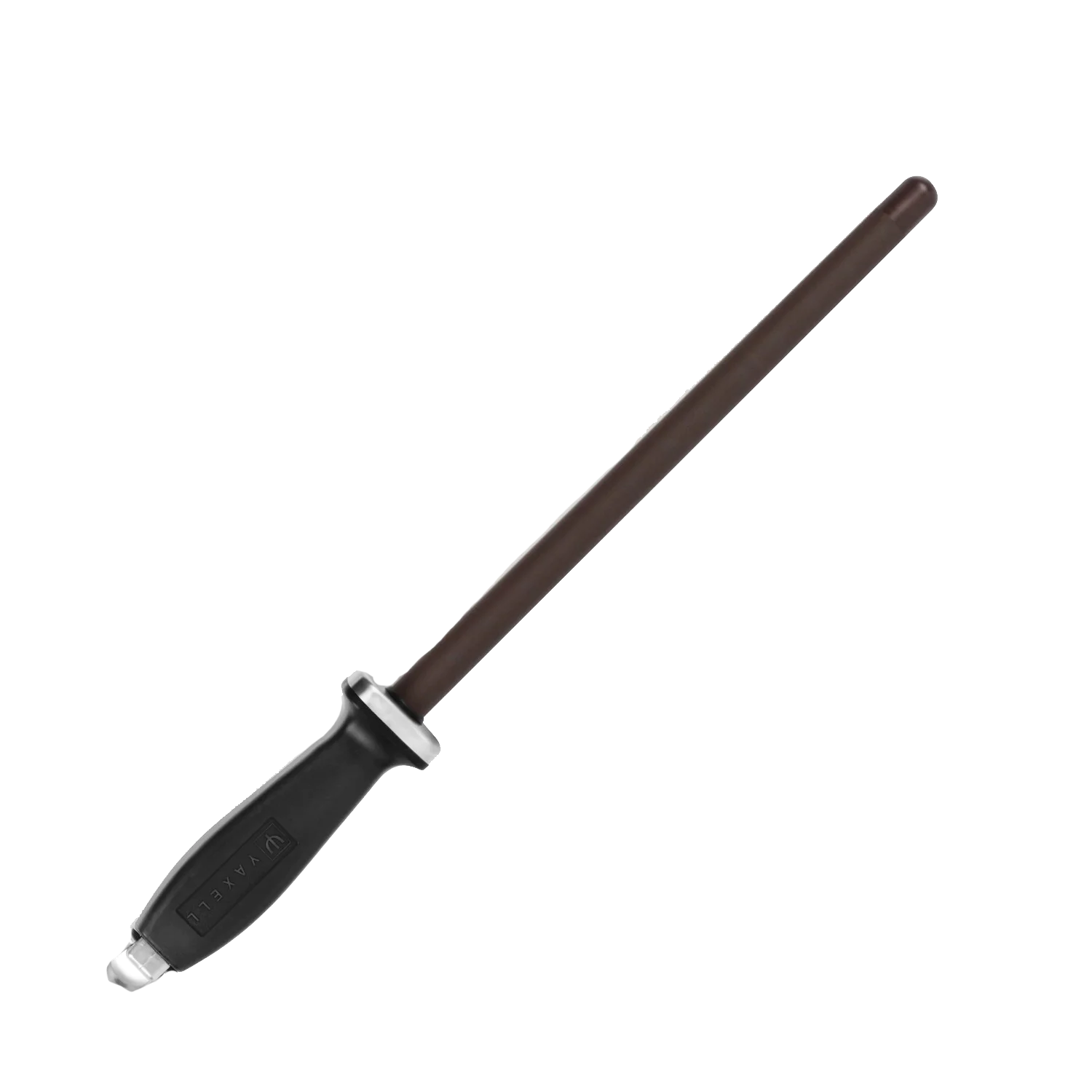
Table for knives
Knife sharpener for maintaining a sharp and controlled cutting edge
A knife sharpener is a practical hand tool for quickly refreshing the blade before or during work. With regular use, it straightens the knife's micro-edge, restores even cutting, and reduces the need for re-sharpening with a whetstone, sharpening steel, or machine. A knife sharpener is essential not only in professional kitchens, butcher shops, and restaurants, but also for home food preparation, maintaining hunting knives, or maintenance work in a workshop.
A properly selected knife sharpener does not aggressively remove metal with every stroke but maintains the existing sharpening angle. For severely dulled or chipped blades, a separate sharpening abrasive is needed, but for daily maintenance, the sharpener remains a quick and convenient choice. It saves time, keeps the working knife ready, and facilitates precise cutting of meat, vegetables, fish, bread, and other materials depending on the blade type.
What do knife sharpening stone options include?
Knife sharpening steel models vary in working surface material, length, profile, handle, and abrasiveness. Steel sharpening steels are preferred for regular sharpening of kitchen and professional knives. Diamond sharpening steels work more aggressively and are useful for duller blades because they remove more material. Ceramic sharpening steels are valued for fine honing and maintaining thinner cutting edges.
The shape of the working surface affects contact with the blade. The round profile is easy to guide and convenient for standard kitchen knives. The oval profile provides a wider contact area, while flat designs are convenient for smooth, even movement along the length of the edge. The handle should sit securely in the hand, and the safety guard should keep the fingers away from the blade during use.
| Type of cutting board | Character | Practical use |
|---|---|---|
| Steel | Straightens the cutting edge without aggressive metal removal | Daily maintenance of kitchen, butcher, and chef's knives |
| Diamond | More abrasive surface with faster action | Refreshes dull blades and works with harder steels |
| Ceramic | Fine polishing and a smooth feel when sharpening | Maintenance of delicate, thin, and precision-sharpened blades |
| Oval or flat | Larger contact area along the edge | Controlled guidance for longer knives and professional use |
Applications in the kitchen, service, and professional work
A knife sharpener is used wherever a sharp tool saves effort and maintains cutting precision. In the kitchen, it helps maintain chef's, carving, filleting, and utility knives. In butcher shops and restaurants, the sharpening stone is kept near the workstation because knives are constantly under stress and the edge becomes dull upon contact with cutting boards, cartilage, or harder products.
For home use, the sharpening stone is valuable for people who want their knives to cut cleanly without frequent visits to a sharpening service. In a workshop or for hunting gear, it can be used to maintain blades after cutting ropes, leather, plastic, or other materials. For serrated knives and specialized blades, a model with a shape and diameter suited to the geometry of the teeth or edge is required.
How to Choose the Right Sharpening Stone
When choosing a knife sharpener, first assess the type of knives you will be maintaining. The length of the working part should be close to the length of the blade to ensure a smooth, even motion from the base to the tip. For large chef's and butcher's knives, a longer sharpening stone is recommended, while a more compact model is sufficient for smaller kitchen knives.
- Working surface material: steel for sharpening, diamond coating for faster sharpening, ceramic for fine honing.
- Length: a longer sharpening stone makes it easier to work with large blades, while a shorter one is convenient for storage and home use.
- Profile: round for standard work, oval or flat for wider contact and better control.
- Handle and guard: a stable grip, non-slip surface, and good hand protection during use.
- Compatibility with blades: hard steels and thin blades are worked with lighter pressure and a precise angle.
The angle of approach is very important. The blade moves smoothly across the surface without heavy pressure or sudden jerks. The goal is to straighten the edge, not to wear it down unnecessarily. With a diamond sharpening stone, pressure must be applied carefully, as the abrasive surface removes more metal. With a ceramic model, the working surface must be protected from impact and drops.
Knife Sharpening Stone Maintenance and Useful Tips
Maintaining a knife sharpening stone is easy, but it directly affects the result. After use, the surface is cleaned of metal dust, grease, and debris to prevent clogging of the fine channels or the abrasive layer. Steel models are dried, ceramic ones are cleaned with a soft cloth, and diamond ones are protected from rough scrubbing with unsuitable cleaning agents.
Storage is also part of proper care. The sharpening stone should not be left loose in a drawer with heavy metal tools, as the working surface and handle may be damaged. A hanging hook, a knife stand, or a separate spot in a cabinet helps keep the tool clean and easy to access when working.
With a well-chosen knife sharpener, maintaining your blades becomes faster, more precise, and more convenient. Browse the options at Toolsbox.bg and choose a model based on your knife type, frequency of use, desired grit, and preferred grip.