
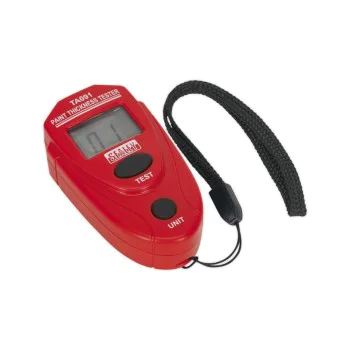
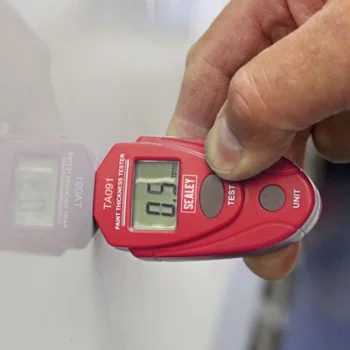
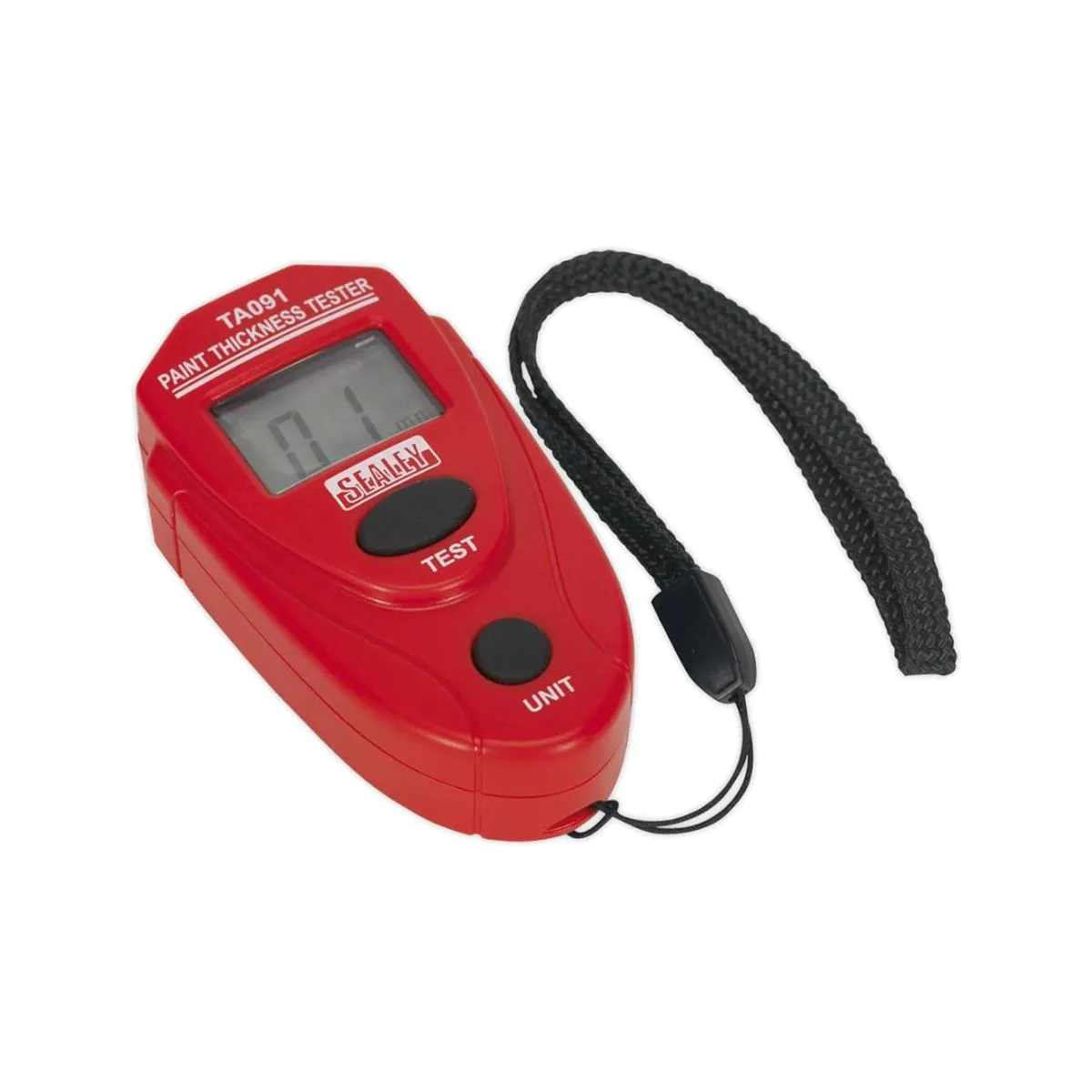
Thickener for paint
Paint Thickness Gauge for Vehicle Inspections and Bodywork Diagnostics
A paint thickness gauge is a practical measuring device for checking the thickness of the paint coating on automotive panels. It aids in the inspection of used cars, post-painting checks, the assessment of body repairs, and service diagnostics. By measuring the coating on fenders, doors, hoods, roofs, and sills, the device indicates whether a part has a factory finish, has been repainted, filled, or repaired after an impact.
In the automotive industry, this type of measuring equipment has a clear application: a quick check without disassembly and without damaging the coating. Paint thickness gauges are used by auto repair shops, dealerships, appraisers, paint shops, detailing studios, and discerning buyers who want a better assessment when inspecting a vehicle. Models differ in measurement method, compatible substrates, range, resolution, probe shape, calibration functions, and ease of use.
What does a paint thickness gauge measure?
The device measures the thickness of the layer between the surface and the metal substrate. On cars, this includes primer, paint, and clear coat, and in repaired areas, it may include body filler or other preparatory material. The result is most often displayed in microns or millimeters. The measurement is useful when comparing individual panels, as significant differences between adjacent parts may indicate a previous repair.
The thickness gauge does not provide an assessment of the vehicle's technical condition on its own, but it is a valuable tool for visual inspection, checking seams, looking for weld marks, monitoring for corrosion, and overseeing paint operations. During service work, it helps document the applied coating and avoid excessive sanding or polishing on thin paint.
Main Types of Paint Thickness Gauges
Different models work with different metal substrates. Some devices are designed for steel and other ferrous metals, others measure on aluminum, and the combined versions detect both Fe and NFe substrates. For automotive inspections, the combined type is very convenient because many modern car bodies have a mix of steel and aluminum panels.
| Device type | Working substrate | Practical application |
|---|---|---|
| Magnetic thickness gauge | Steel and ferrous metals | Basic inspection of steel automotive panels |
| Eddy current thickness gauge | Aluminum and non-ferrous metals | Inspection of aluminum hoods, doors, and fenders |
| Combined Fe/NFe thickness gauge | Steel and aluminum | Inspection of vehicles with mixed body construction |
How to choose the right model
When choosing a paint thickness gauge, first check compatibility with the base material. For daily vehicle inspections, combined models are more practical, as they reduce the need for separate devices for steel and aluminum. For service work, pay attention to the measurement range, resolution, and repeatability of the readings.
- Measurement range-a wider range is useful when inspecting parts with body filler or multiple layers of paint.
- Resolution-a finer reading increment makes it easier to compare close values between individual panels.
- Calibration-models with calibration plates and metal standards allow for better preparation of the device before a series of measurements.
- Probe-a built-in probe is convenient for quick work, while a separate probe facilitates access to curves, edges, and tight spaces.
- Display-a clear screen with distinct digits is valuable when inspecting outdoors, in a service bay, or in low light.
- Memory and statistics-useful features for professional inspections of multiple vehicles or for documenting repairs.
Practical Applications in Vehicle Inspection
The paint thickness gauge is placed on a clean, dry surface, and readings are taken from several points on the same part. This provides a better picture of the coating's uniformity. For doors, fenders, and hoods, it is advisable to take measurements in the central area, near the edges, and around areas suspected of having been repaired. Sudden spikes in readings often indicate body filler, an additional coat of paint, or a spot repair.
When buying a used car, the device is a valuable tool for checking the body's history. In painting work, it helps monitor the applied layers and the subsequent polishing. In detailing work, measuring before abrasive treatment reduces the risk of removing too much clear coat, especially on previously treated panels.
Accuracy, Calibration, and Proper Operation
For consistent results, the thickness gauge requires a clean contact surface, proper probe placement, and periodic verification with calibration standards. Dust, water, severe panel curvature, or an incorrect probe angle can affect the reading. When measuring on highly curved elements, narrow edges, or decorative parts, it is best to treat the readings as a guide and compare them with other points on the same vehicle.
Calibration is particularly useful when changing the work surface, after prolonged storage of the device, or when working in a service environment with different materials. Some models allow for zero calibration, adjustment using a calibration plate, and selection of measurement units. These features make the process easier for the user and ensure more consistent measurements.
Accessories and Ease of Use
A practical paint thickness gauge kit may include calibration plates, metal reference plates, a storage case, batteries, and an instruction manual. The case protects the probe and display when transporting the device in a service case or vehicle. For more intensive work, models with an ergonomic housing, fast reading time, automatic substrate recognition, and audible indication are convenient.
Maintaining the device is easy: protect the probe from impacts, keep the housing dry, and replace the batteries on time. During long periods of inactivity, it is advisable to remove the batteries to prevent damage from leakage. A clean probe and proper storage help extend the measuring tool's lifespan.
Paint Thickness Gauge from Toolsbox.bg
At Toolsbox.bg, you can choose a paint thickness gauge based on your needs-from quick vehicle inspections to professional quality control in a service center, dealership, or paint shop. Compare models by base type, range, calibration, probe, and additional features to select a device that fits your workflow. A well-chosen paint thickness gauge eliminates guesswork, simplifies bodywork inspection, and provides greater confidence when evaluating automotive coatings.