

Petrol saws
Gas-powered chainsaws for cutting wood, pruning, and outdoor work
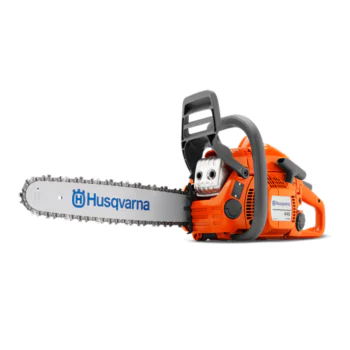
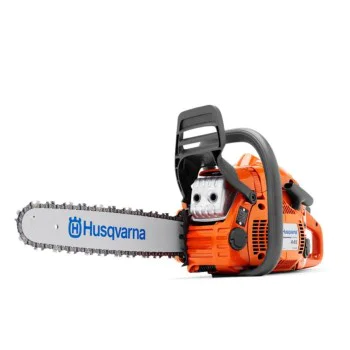
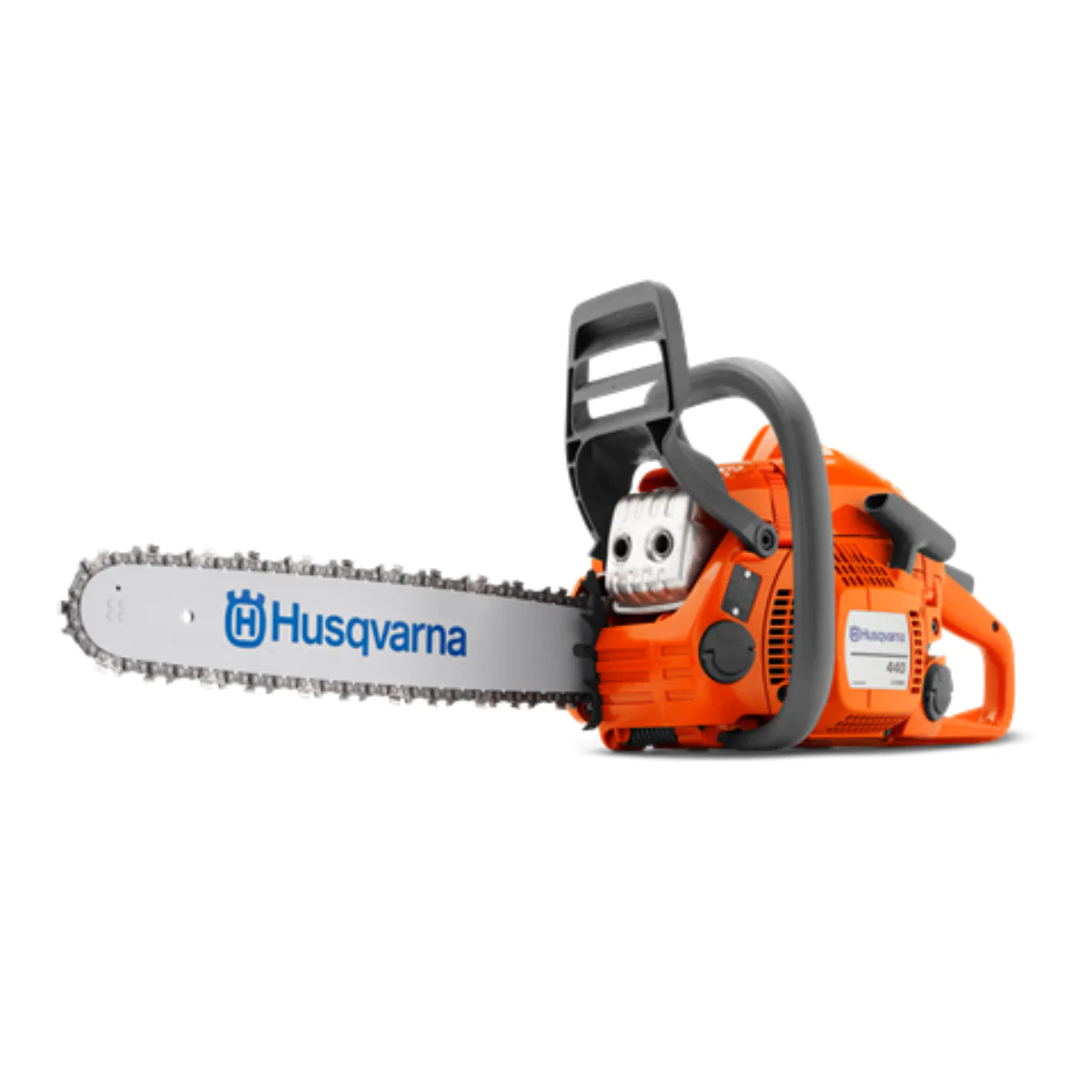
Gas-powered chainsaws are the go-to choice for working far from a power source, for intensive firewood cutting, pruning branches, shaping trees, yard cleanup, and preparing lumber. They are part of the chainsaw family and rely on an internal combustion engine, which provides freedom of movement, consistent power, and good performance during prolonged outdoor use.
Toolsbox.bg offers gas-powered chainsaws for various tasks-from compact models for seasonal home use to more powerful machines for commercial, gardening, and professional work. The differences between the individual models relate to engine power, bar length, chain type, weight, starting systems, lubrication, anti-vibration design, and ease of maintenance.
Where Are Gas-Powered Chainsaws Used?
Gas-powered chainsaws are a practical choice for tasks where mobility is crucial. They are used for cutting logs, shaping firewood, clearing after pruning, removing dry branches, and working in orchards, yards, vacation homes, and forested areas. For more demanding tasks, the chainsaw must maintain a consistent RPM and a steady oil supply to the chain to reduce wear on the cutting set.
For home use, people typically look for lighter machines with a comfortable grip and easy maintenance. For working with thicker wood, gasoline-powered chainsaws with a larger engine displacement, a longer bar, and a more durable chain are preferred. For professional use, not only power but also ergonomics, cooling, access to the air filter, fuel and oil caps, the chain tensioning system, and reliable kickback protection are important.
Types based on task and workload
| Gas-powered chainsaw type | Type of work | Practical focus |
|---|---|---|
| Compact model | Pruning, trimming, light yard work | Lighter weight, easier maneuvering, and comfortable control |
| Mid-range | Firewood cutting, property maintenance, seasonal work | Good balance between power, bar length, and weight |
| Heavy-duty model | Thicker logs, continuous operation, professional use | Larger engine, longer bar, and higher cutting capacity |
How to Choose a Gas-Powered Chainsaw
When buying a gas-powered chainsaw, it makes sense to start with the actual task at hand. A short bar is convenient for pruning and work around the house, while a longer bar makes it easier to cut through thicker wood. The power should be matched to the diameter of the material and the frequency of use, because a machine that is too heavy tires the arms, while a model that is too weak strains the engine when cutting thick logs.
- Power and displacement: higher values help with hard and thick wood, but increase weight and fuel consumption.
- Bar length: Choose based on the cutting diameter and the need for control during operation.
- Chain: the pitch, the thickness of the drive link, and the number of links must be compatible with the bar and the machine.
- Weight and ergonomics: comfortable handles and good weight distribution reduce fatigue.
- Start-up and maintenance: easy access to the filter, spark plug, fuel tanks, and chain tensioning simplifies daily operation.
Bar, chain, and consumables
The cutting set is crucial for the machine's performance. A well-sharpened chain cuts cleanly, protects the engine from overload, and reduces vibrations. Chain oil must be evenly distributed to the guide bar, and the fuel mixture must be prepared according to the manufacturer's instructions for the specific machine. For gas-powered chainsaws, consumables such as chains, guide bars, oils, spark plugs, filters, and sharpening files have a direct impact on service life.
Safety When Working with Gas-Powered Chainsaws
Gas-powered chainsaws operate at high chain speeds and require a firm grip, proper stance, and protective gear. A hard hat with a visor, safety goggles, ear protection, gloves, pants with cut-resistant inserts, and shoes with sturdy soles improve control while cutting. Machines with a chain brake, front-hand guard, chain catcher, and anti-vibration system provide better protection against kickback, chain breakage, or prolonged use.
Before cutting, the guide bar must be clean, the chain properly tensioned, and the fuel tank caps securely closed. Do not operate with a dull chain, a loose guide bar, or visible damage to the body. During longer sessions, it is advisable to take breaks to allow the machine to cool down, inspect the chain, and top off the oil to ensure consistent performance.
Maintenance for a longer machine life
Regular maintenance protects the engine, guide bar, and chain. After use, clean the housing of chips, clear the guide bar groove of debris, and inspect the air filter depending on usage. The chain must be sharpened evenly to prevent the machine from pulling to one side. When storing the machine for an extended period, fuel should not remain in the tank unless the manufacturer specifies otherwise.
Gas-powered chainsaws require the correct consumables and compatible replacement parts. When selecting a new chain or bar, the length, pitch, groove, and number of drive links must be taken into account. This ensures the machine runs more smoothly, cuts more precisely, and avoids unnecessary damage.
Choosing Gas-Powered Chainsaws at Toolsbox.bg
Gas-powered chainsaws are the solution for people looking for a self-contained machine for yard work, gardening, logging tasks, property maintenance, or professional woodworking. Browse the options at Toolsbox.bg, compare power, bar length, weight, cutting kit, and necessary accessories, and choose a model that suits your workload and work style.