
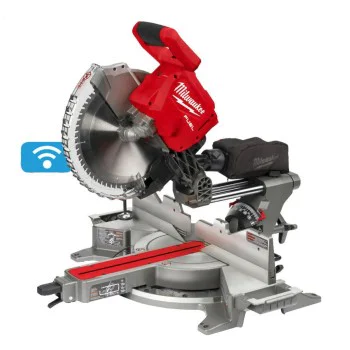
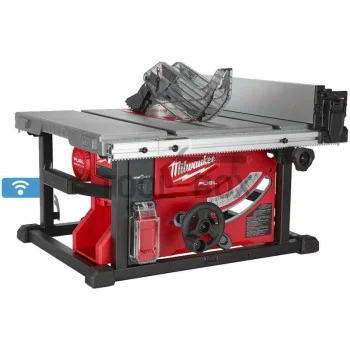
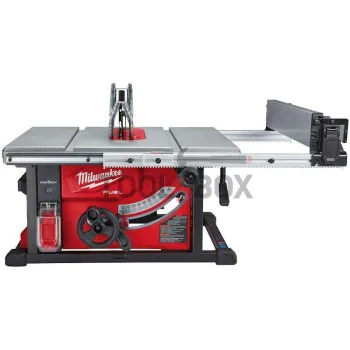
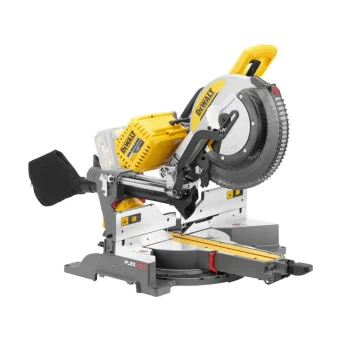
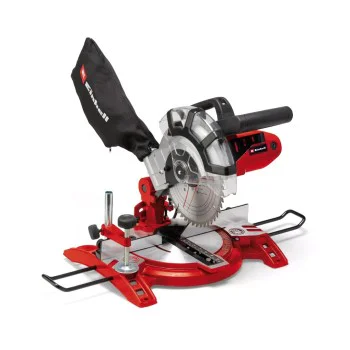
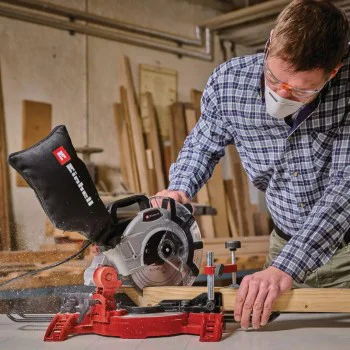
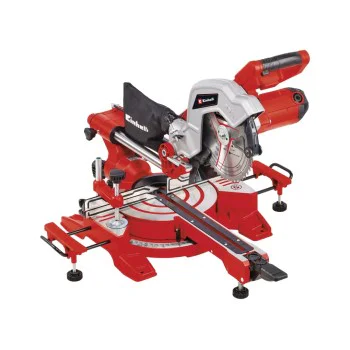

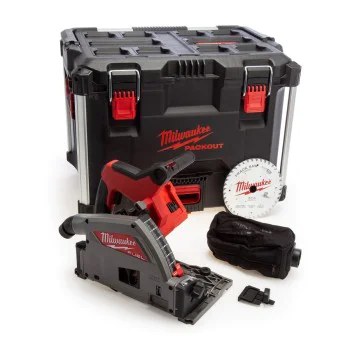
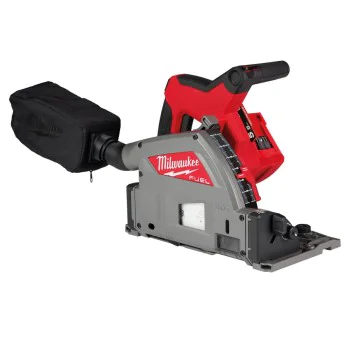
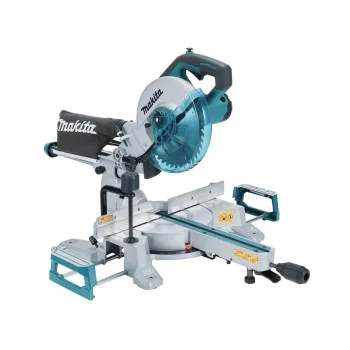
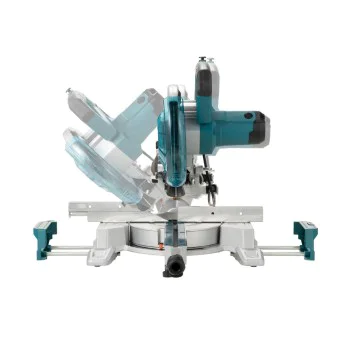
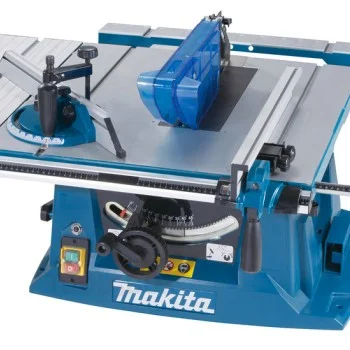
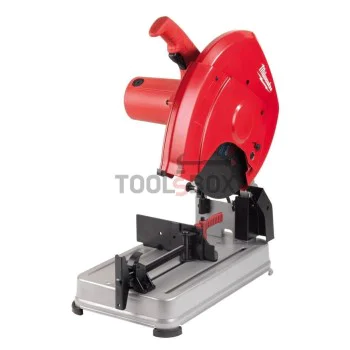
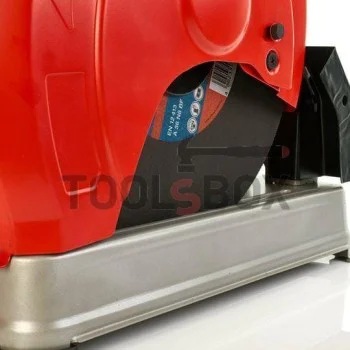
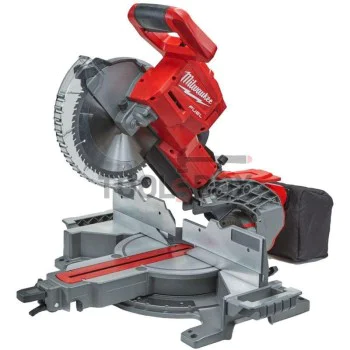
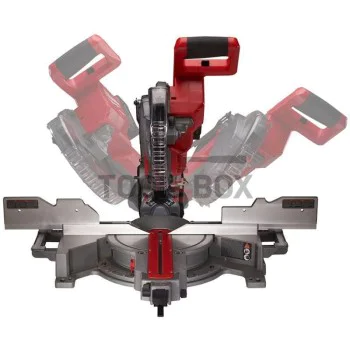
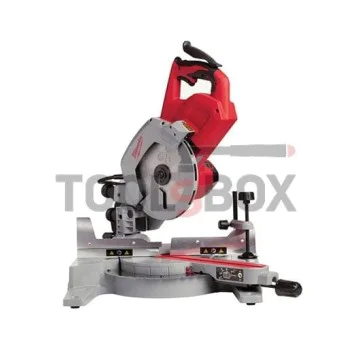
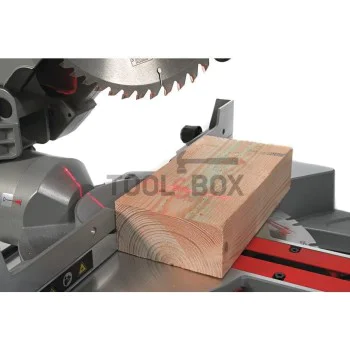
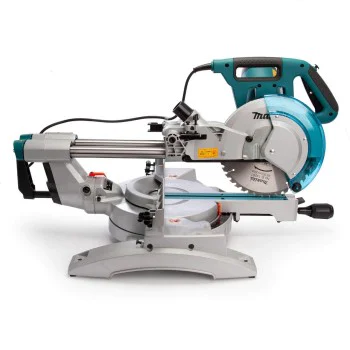
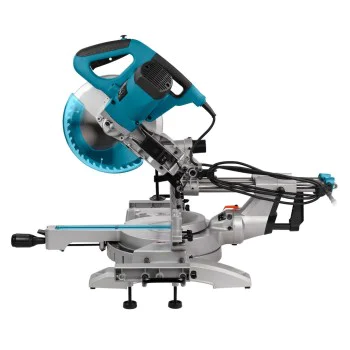
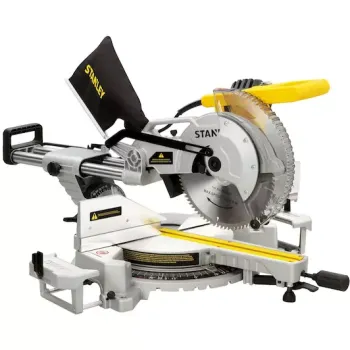
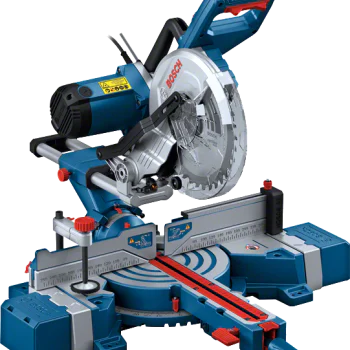
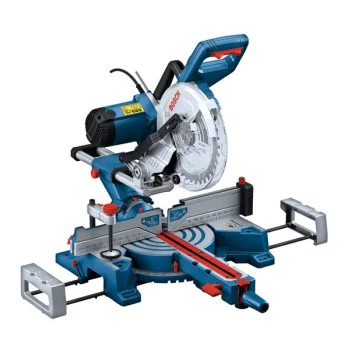
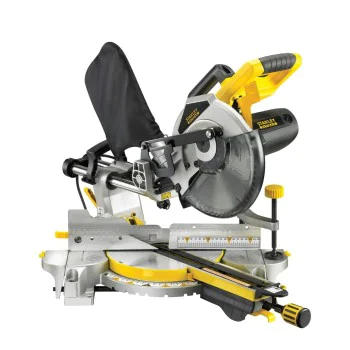
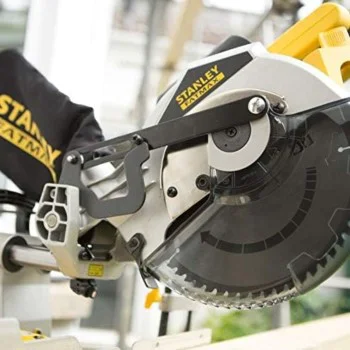
Desktop circular saws
Bench circular saws for precise cutting of wood, panels, and building materials
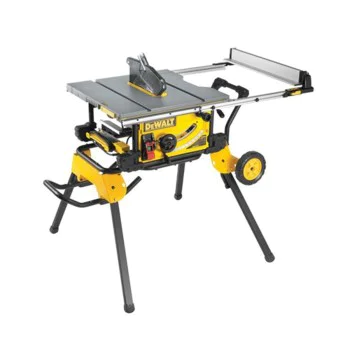
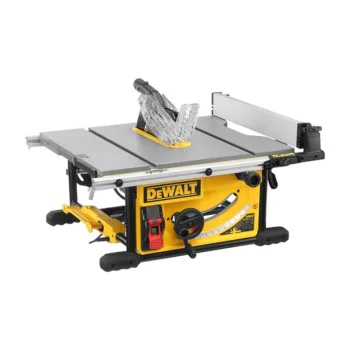
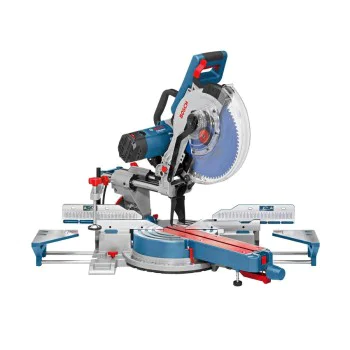
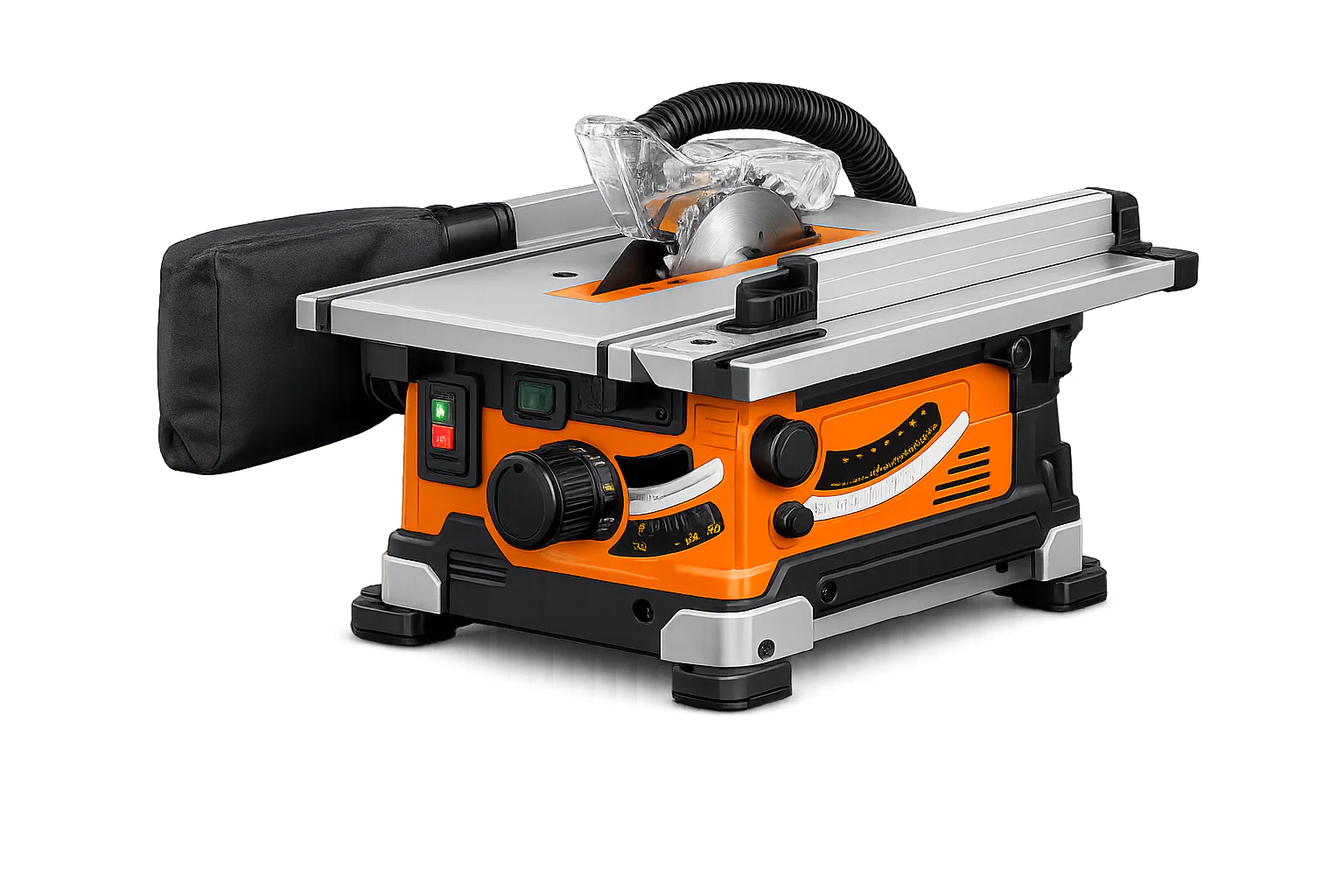
Table saws are practical power tools for making straight, repeatable, and controlled cuts in wood, laminated panels, particleboard, MDF, OSB, plywood, and similar materials. They combine a cutting blade, a worktable, guide rails, and adjustment mechanisms, which facilitate the processing of workpieces with uniform width, precise angles, and clean edges. Unlike a hand-held circular saw, the table-top version provides stable support for the material and better control during work in a workshop, on a construction site, or during home repairs.
Well-chosen table saws save time during batch cutting, furniture assembly, trimming boards, cutting panels, and preparing parts for installation. They are valuable for carpenters, installers, construction crews, interior renovation professionals, and discerning DIYers who want a more precise result than a simple "freehand" cut. The various machines differ in power, blade size, cutting depth, table stability, miter cutting capabilities, dust extraction, and portability.
Where are table saws used?
Table saws are sought after for tasks where the precision of the cut directly affects the assembly and the final appearance of the product. When building cabinets, shelves, paneling, flooring, and structural components, the machine allows for multiple cuts to the same measurement. The rip fence ensures straight cuts along the length, while the miter fence is useful for parts that need to be cut at a specific angle.
Compact table saws are convenient for garage workshops, finishing repairs, and installation work where space is limited. Heavier models with a stable base and larger work surface are preferred for more intensive use and processing of larger pieces. When working with laminated panels and veneered materials, the blade, speed, and proper feed of the workpiece are important, as they affect the cleanliness of the edge.
Materials and Types of Cuts
The most common application is with wood and wood-based panels, but some machines can also process plastics or soft composite materials when equipped with a suitable cutting blade. Blades with coarser teeth are used for rough cutting, while blades with finer teeth and a suitable profile are used for a cleaner finish cut. Adjusting the blade height allows for adaptation to the thickness of the material, and the tilt of the cutting unit enables bevel cuts for frames, moldings, countertops, and decorative elements.
How to Choose Table Saws Based on the Task
When selecting table saws, it is wise to start with the type of work, the size of the workpieces, and the desired precision. Power is important for thicker materials and continuous use. The blade diameter determines the maximum cutting depth, and the stability of the table affects the behavior of the workpiece during feed. For working with large panels, table extensions, side supports, or a stand that holds the machine at a comfortable height are useful.
Table saws with a precision rip fence facilitate repetitive cuts and reduce the need for constant measurements. The miter gauge, adjustment scales, and locking mechanisms should move smoothly and lock securely. For on-site work, the weight, handles, folding stand, and sturdiness of the housing are important. For a stationary workshop, a larger table, a more robust construction, and a better dust extraction system are more comfortable for prolonged use.
| Criterion | What to consider | Practical benefits |
|---|---|---|
| Power | Work intensity and material hardness | More stable cutting with thick workpieces |
| Blade diameter | Maximum depth and type of cut | Easier selection based on material thickness |
| Work surface | Size, extensions, and support area | Better control with long and wide workpieces |
| Guides and adjustments | Rip fence, miter fence, blade tilt | More precise, repeatable cuts |
| Dust extraction | Connection to a vacuum cleaner or dust extraction system | Cleaner work area and better visibility |
Blades, accessories, and maintenance for table saws
Table saws work most accurately with a properly selected and well-maintained blade. The diameter, bore, number of teeth, and tooth geometry must match the machine and the material. For solid wood, good chip removal is desired, while for laminated panels, a clean cut requires a finer blade and careful feed. Compatibility of consumables is important because an unsuitable blade can impair cutting performance, strain the motor, and increase the risk of kickback.
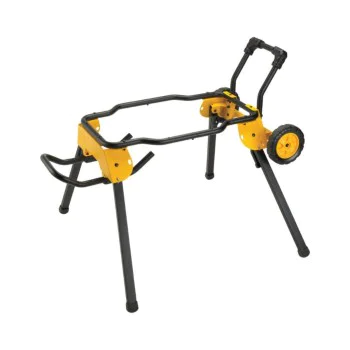
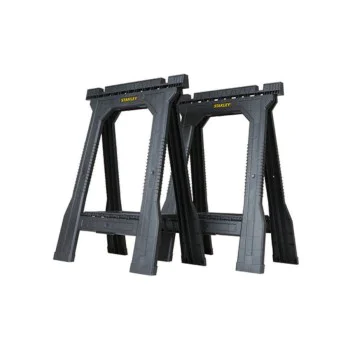
Practical accessories include stands, additional guides, push sticks, table extensions, vacuum adapters, and spare blades for various materials. The push stick keeps your hands at a safe distance from the cutting area, and the guard over the blade should not be removed without a valid service reason. Regular maintenance keeps table saws in good working condition: cleaning dust and resin, checking fasteners, inspecting the cord, checking the blade for wear, and adjusting the guides.
Safe and Precise Operation
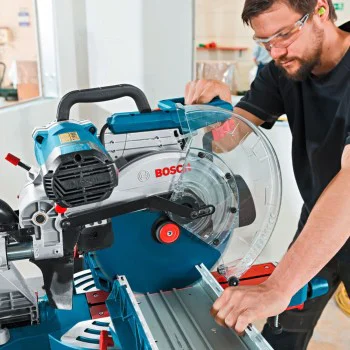
Stable positioning of the machine, proper material feed, and a clean work area are important for a precise cut and control over the workpiece. The material must lie flat on the table, without twisting and without loose parts that could get caught. Safety goggles, ear protection, and a dust mask are essential parts of personal protective equipment, especially during prolonged processing of panels and dry wood.
Choosing a Machine for the Workshop, Installation, and Repair
Table saws should be selected based on the actual workload, available space, and the type of materials to be cut. For occasional home projects, a compact machine with clear settings and a standard blade is sufficient. For professional use, power, a stable table, precise guides, the ability to connect to a dust collector, and quick replacement of consumables are more important. The balance between mobility and stability is crucial for installers who move equipment between different sites.
Toolsbox.bg offers a selection of table saws for various workloads-from practical solutions for home workshops to machines for daily professional use. Compare specifications, select compatible blades and accessories, and equip your workspace with a circular saw that matches the material, precision, and pace of your work.