
Trumpet
Rammers for compaction in construction and renovation projects
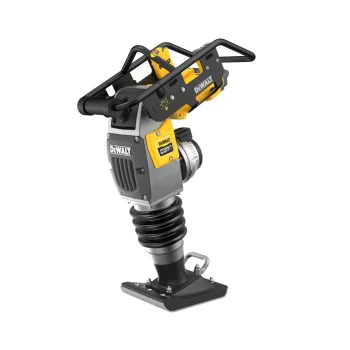
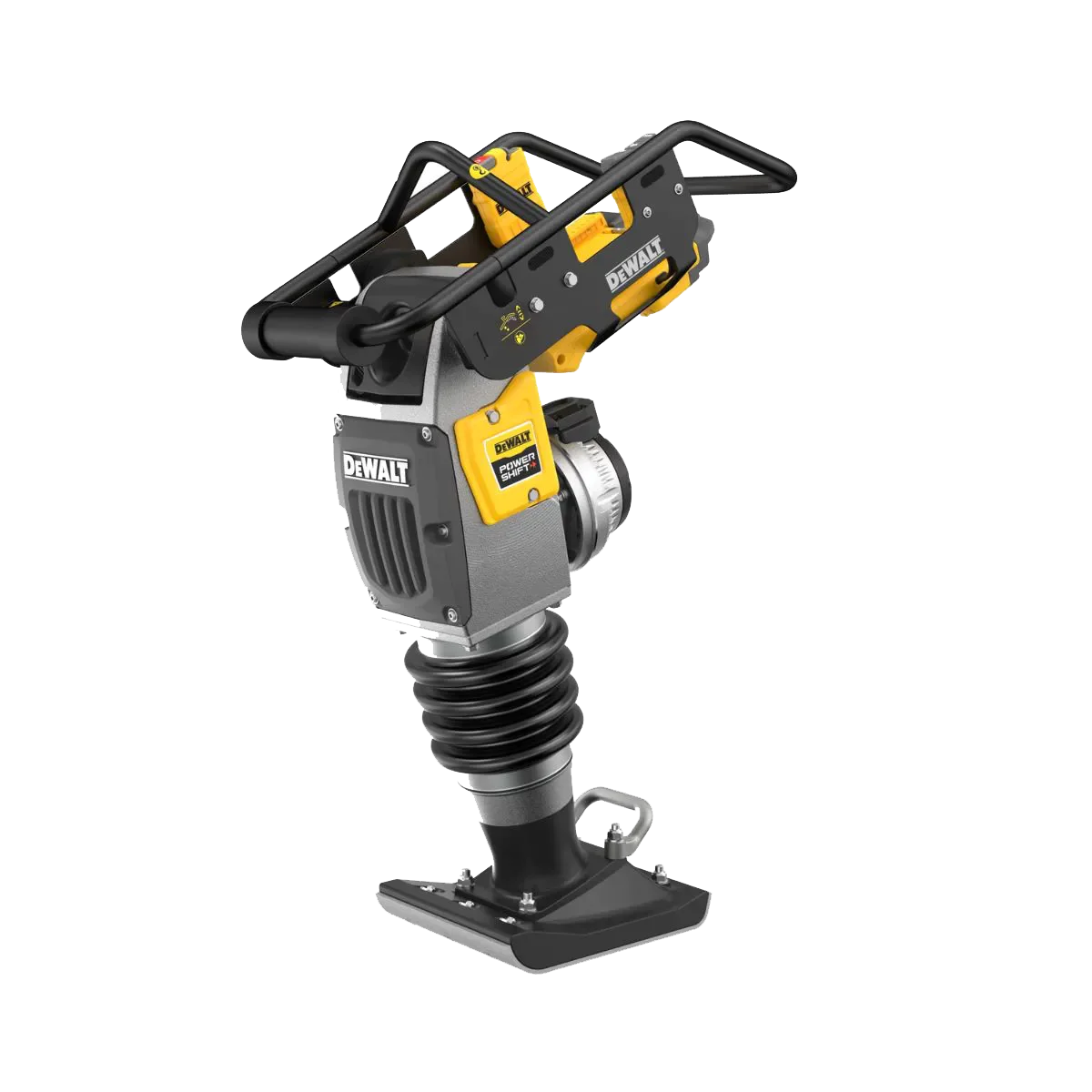
Rammers are used for compacting soil, sand, gravel, embankments, and subgrades prior to laying pavements, pipe routes, foundations, or other construction layers. These machines concentrate impact or vibrational force onto a working sole or plate, which compacts the material more effectively and reduces the risk of settlement. At Toolsbox.bg, you can select a rammer for professional construction use, yard repairs, path preparation, work around curbs, or maintenance tasks in confined areas.
When it comes to construction compaction equipment, the right choice affects work speed, the evenness of the base, and operator comfort. Rammers differ in drive type, impact force, working area, weight, handle design, starting mechanism, transport wheels, and suitability for various surfaces. The more compact models are convenient for use in trenches and tight spaces, while the more powerful machines are preferred for deeper embankments and heavier workloads.
Where are tampers used?
Rammers are used in the preparation of foundations for pavers, sidewalk slabs, concrete elements, roads, parking lots, courtyards, and landscaping projects. When installing plumbing, cable, and drainage lines, they compact the backfill around the trench without taking up much space. During repairs after excavation, the machine helps restore the ground's density, which is necessary before laying pavement or an additional layer of material.
Vibratory and impact models are selected based on the nature of the subgrade. Sand and gravel require uniform vibration transmission, while clayey and more cohesive soils are more effectively compacted with an impact rammer featuring a smaller working foot. When working near walls, foundations, shafts, and curbs, the compact body and good directional control are a significant advantage.
Types of rammers and differences between models
The main difference between the various machines is the way they transfer energy to the ground. Impact rammers, also known as vibratory rammers or "rammer feet," operate with vertical impacts and are valuable in narrow excavations, trenches, and areas with limited access. Vibratory plates compact the ground using a larger working surface and are practical for flatter areas, paving bases, and roadbeds. When looking for equipment for a specific project, consider whether the task requires a concentrated impact or a wider contact area.
| Machine type | Working area | Typical tasks |
|---|---|---|
| Impact tamper | Narrow and deep areas | Channels, trenches, embankments around pipes, work near foundations |
| Vibratory plate | Flatter surfaces | Paving stones, walkways, subbase layers, parking lots, yard paving |
| Compact model | Confined spaces | Repairs, installation work, maintenance, and spot repairs |
How to choose a tamper based on the task
When selecting a rammer, start with the type of material and the size of the work area. For fine gravel, sand, and sub-bases for paving, uniform performance and good maneuverability are required. For heavier fill, clay, or deeper compaction, greater impact force and a stable working mechanism design are required. The machine's weight also matters: lighter tampers are easier to move and put less strain on the operator, while heavier models provide greater pressure on the ground.
- Terrain type: sand, gravel, mixed fill, clay soil, or pavement subgrade.
- Work area: a narrow trench, around curbs, a driveway, a sidewalk, or a larger construction site.
- Frequency of use: occasional repairs, regular professional use, or heavy-duty site work.
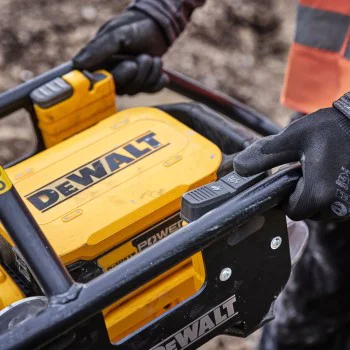
- Ease of operation: handle shape, vibration isolation, balance, and access to controls.
- Transport and storage: dimensions, weight, ability to move between sites, and space in a service center or workshop.
Gasoline-powered rammers are preferred on construction sites without power supply and for outdoor work. Electric models, when available, are suitable for sites with power supply and lower emissions requirements. For all options, it is best for the machine to match the actual workload rather than just the maximum power, because equipment that is too heavy makes light tasks difficult, while a machine that is too weak prolongs the processing of denser embankments.
Safety, Maintenance, and Consumables
Working with compactors requires a stable stance, safety shoes, gloves, goggles, and hearing protection. The operator must keep a safe distance from the edges of trenches, unstable piles, and underground utilities. Before starting, inspect the working sole or plate, fasteners, fuel system, cables on electric models, and the condition of the handle. Guiding the machine evenly reduces gaps and helps achieve a compact base.
Maintenance includes cleaning after use, checking fasteners, inspecting the air filter, oil, and spark plug on gasoline-powered machines, and for vibrating mechanisms-monitoring for unusual noises and leaks. Consumables such as filters, spark plugs, oils, belts, working shoes, and safety components extend the machine's service life when selected according to the specific model. Compatibility is particularly important for spare parts, as an incorrect size or unsuitable material can disrupt the machine's operation.
A practical choice for a stable foundation
Rammers are a valuable part of the equipment for construction, repair, and maintenance of pavements when a well-compacted foundation is needed before the next stage of work. In this section, you'll find machines for various terrains, work volumes, and load levels. Browse the available options on Toolsbox.bg and choose a tamper based on the material, area, method of operation, and required performance for the job site.