
Petrol water jets
Gasoline-powered pressure washers for cleaning without the need for an electrical outlet
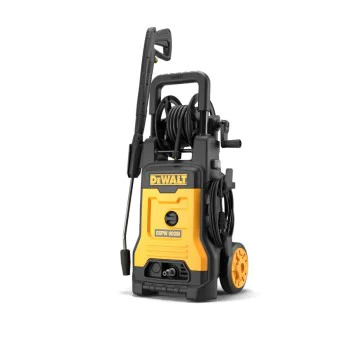
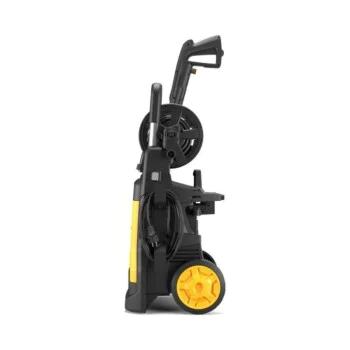
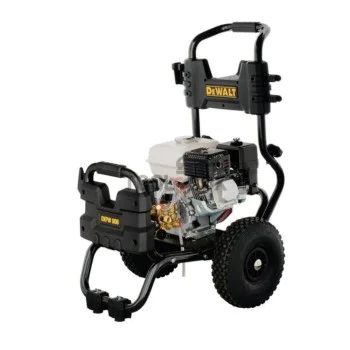
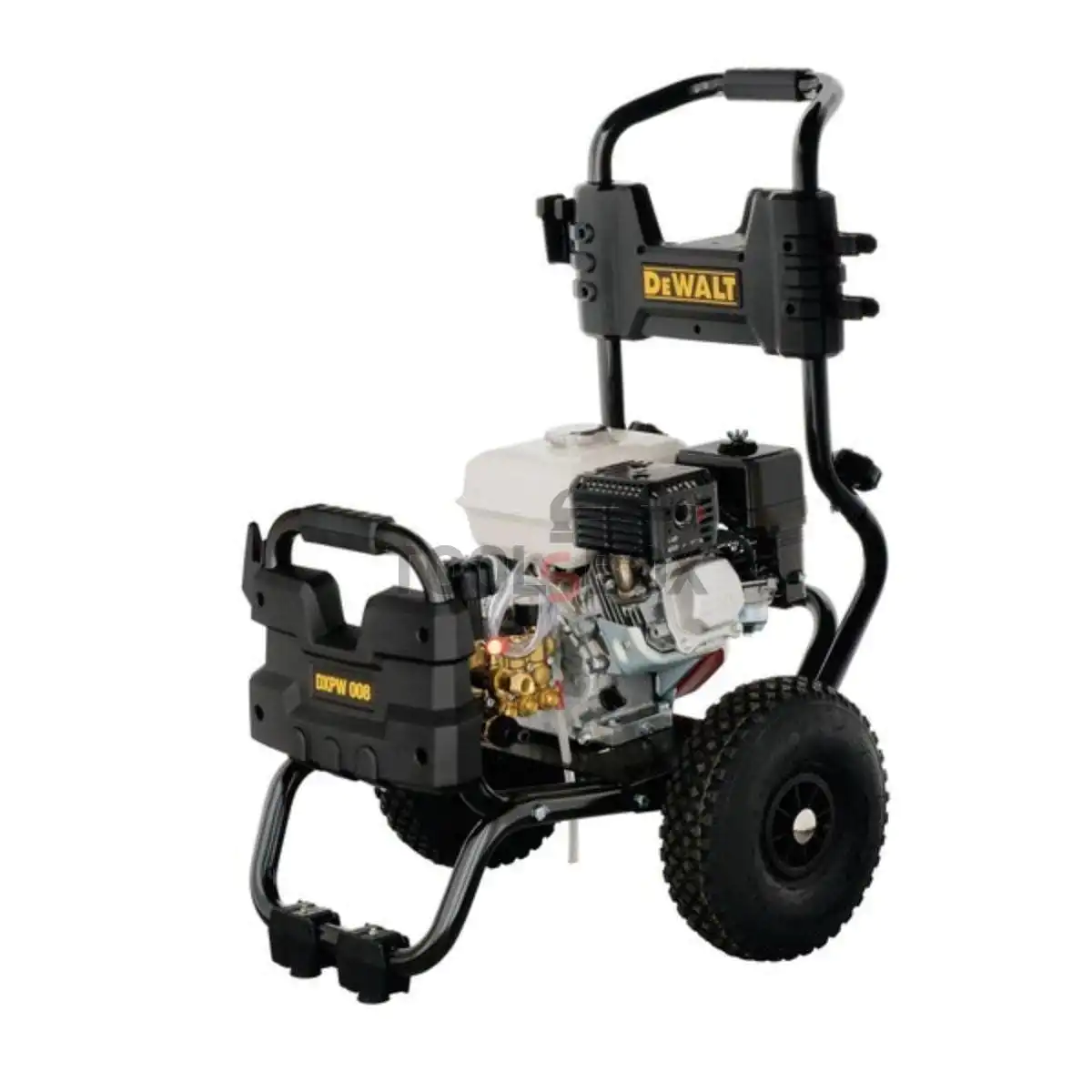
Gas-powered pressure washers are self-contained machines designed for high-pressure water jet cleaning in areas without convenient access to electricity. They combine a gasoline engine, a pressure pump, a hose, a spray gun, and nozzles to remove mud, dust, grease, dried-on residue, and construction debris from various surfaces. This type of pressure washer is in demand for maintaining yards, farms, vehicle fleets, service stations, construction sites, and outdoor areas around homes.
The advantage of gasoline-powered operation is mobility. The machine can operate away from a power outlet, in open areas, near warehouses, agricultural buildings, temporary sites, or places where electrical power is limited. This makes them a practical choice for intensive cleaning of pavements, facades, construction equipment, trailers, tools, metal structures, fences, and stone and concrete surfaces.
What Do Gasoline-Powered Pressure Washers Include?
Gasoline pressure washer models come in a variety of operating pressures, flow rates, pump types, engine power, hose lengths, and nozzle sets. Pressure affects the jet's force, while flow rate indicates the amount of water passing through the system per unit of time. For dirty surfaces with a lot of mud and large debris, high flow rate is valuable, while for dried-on grime and tougher dirt, pressure is of great importance.
Differences between individual machines are also evident in the design of the frame, wheels, spray gun, connections, and hose. More compact gasoline-powered pressure washers are convenient for yard cleaning and periodic maintenance, while more powerful models are geared toward service, construction, and commercial work. For longer work cycles, a stable base, easy access to the engine, pump protection, and the ability to move easily over uneven terrain are important.
Applications in repair, construction, service, and yard work
A gasoline-powered pressure washer is useful where there is heavy soiling, a large area, or conditions that do not allow for the use of an electric model. In construction, it is used to clean formwork elements, tools, machinery, concrete surfaces, and facade sections. In agriculture, it helps clean tractors, trailers, equipment, yards, and farm buildings. In auto repair shops and transport depots, it is used for exterior washing of cars, vans, trucks, rims, chassis, and work areas.
For home use, gasoline-powered pressure washers are a good option for large yards, walkways, stone pavers, fences, garages, roof gutters, and garden equipment. When working on wood, painted surfaces, or more delicate finishes, it is advisable to use a wider spray pattern and a greater distance to avoid damaging the material.
Criteria for selecting a gasoline-powered pressure washer
Selection begins with the tasks the machine will perform. For periodic cleaning of yards, tiles, and garden equipment, a model with average specifications and a convenient set of nozzles is sufficient. For maintenance, construction, or agricultural work, it makes sense to focus on higher pressure, greater water flow, a sturdy frame, and a hose of sufficient length.
- Working pressure: determines the cleaning power for stubborn grime, mud, and dried-on dirt.
- Water flow rate: affects the cleaning speed on larger areas and with heavy soiling.
- Pump type: important for load capacity, operating time, and maintenance.
- Engine: Power and displacement should be matched to the frequency of use and workload.
- Hose and gun: length, durability, and comfortable grip facilitate movement around the machine.
- Nozzles and tips: Different spray angles provide control for heavy-duty cleaning, rinsing, and working on sensitive surfaces.
- Transportation: wheels, handle, and weight matter when moving between sites or across yard surfaces.
Accessories, Consumables, and Compatibility
For optimal performance, a gasoline-powered pressure washer relies on properly selected accessories. High-pressure hoses, spray guns, extension hoses, quick-connect fittings, rotary nozzles, flat nozzles, inlet water filters, and foam attachments can expand the machine's range of applications. When selecting additional accessories, you must consider the type of connections, the permissible pressure, the threads, the hose length, and compatibility with the specific model.
Inlet water filtration protects the pump from sand and solid particles. This is valuable when drawing water from a tank, container, or water source with variable impurity levels. When working with chemicals, check the compatibility of the suction system with the recommended type of cleaning agent to preserve the seals and internal components.
Safety and Maintenance
The pressurized water jet can injure the skin and damage paint, wood, soft joints, or electrical components. Therefore, operation requires a stable position, safety goggles, gloves, and careful aiming of the spray gun. The machine should be placed on a level surface with good ventilation, away from enclosed spaces, as the gasoline engine emits exhaust fumes.
Regular maintenance extends the life of the gasoline-powered pressure washer. After use, the system should be flushed, the pressure released, the hose stored without kinks, and the nozzles cleaned of deposits. The engine requires checks of the oil, air filter, fuel, and spark plug according to the manufacturer's instructions. When storing during cold months, drain the water from the pump and hoses to prevent freeze damage.
Choose a gas-powered pressure washer based on the workload
A well-chosen gasoline-powered pressure washer saves time on heavy-duty outdoor cleaning and provides freedom of movement where a power cord would otherwise restrict it. Browse the models at Toolsbox.bg and match the pressure, flow rate, accessories, and design to the actual tasks in your yard, workshop, farm, or construction site.