
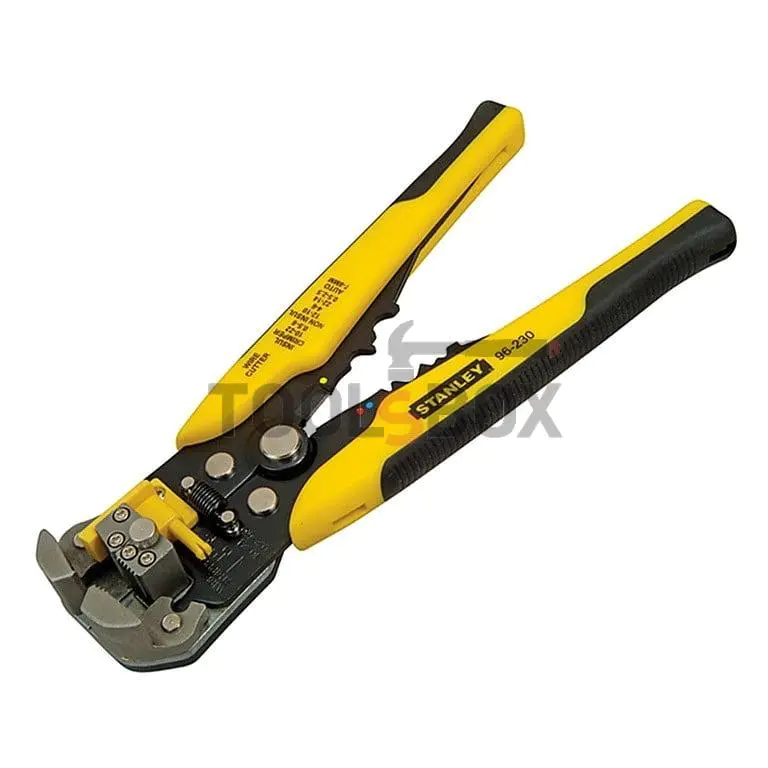
Pliers for crimping
Crimping pliers for precise and durable cable connections
Crimping pliers are specialized hand tools for crimping cable lugs, ferrules, sleeves, connectors, and contact elements onto wires. They create a stable mechanical and electrical connection without soldering, making them a valuable choice for electrical installation, service work, automotive electrical systems, low-voltage installations, network cable construction, and machine maintenance. A properly selected crimping tool reduces the risk of loose connections, overheating, circuit breaks, and equipment damage.
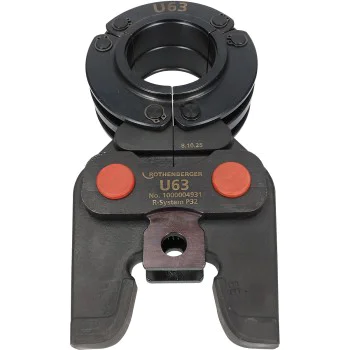
Within the pliers category, these models feature specific jaws, dies, or sockets that press the terminal with precise shape and force. Different tools work with different types of cables and connectors, so the choice is made based on the conductor cross-section, the type of terminal, the crimping profile, and the frequency of use.
What tasks are crimping pliers used for?
Crimping is a standard operation when preparing electrical connections in panels, machines, automobiles, control systems, lighting installations, telecommunications, and photovoltaic systems. Crimping pliers are used to install insulated and uninsulated cable lugs, ferrule terminals for stranded conductors, flat cable terminals, coaxial connectors, RJ45 and RJ11 connectors, solar MC4 connectors, and other contact elements.
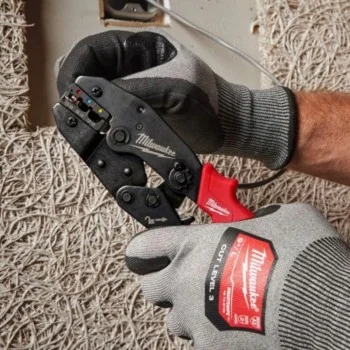
For electricians and installation teams, the tool ensures consistent results when making a series of identical connections. For service centers and workshops, it facilitates the repair of cable harnesses, the replacement of connectors, and the fabrication of extension cords or control cables. For home use, it is practical for small repairs, building network cables, installing audio equipment, replacing terminals in a car, or preparing wires for terminal blocks.
Main types of crimping pliers
Pliers for cable lugs and sleeve terminals
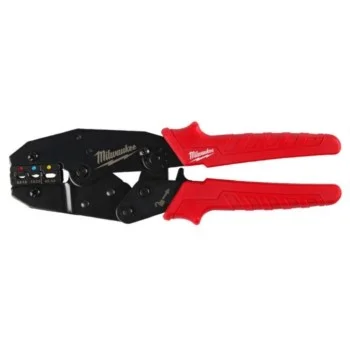
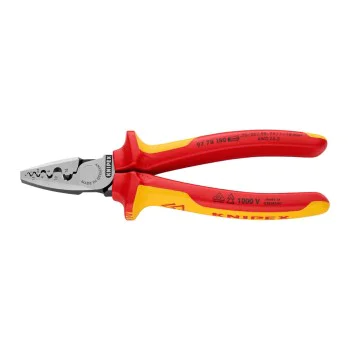
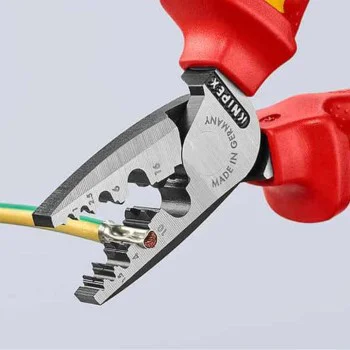
These models are designed for crimping standard electrical terminals onto single-core or multi-core wires. Variants are available for insulated cable lugs, uninsulated terminals, double ferrules, and terminals with various cross-sections. When working with electrical panels and terminal blocks, ferrule terminals ensure a clean wire end and a more secure connection in the terminal.
Ratchet crimping pliers
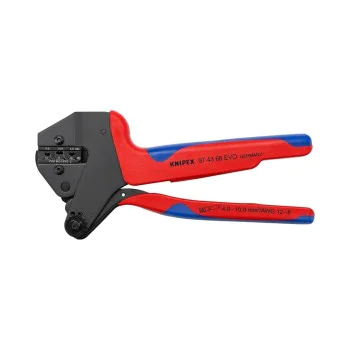
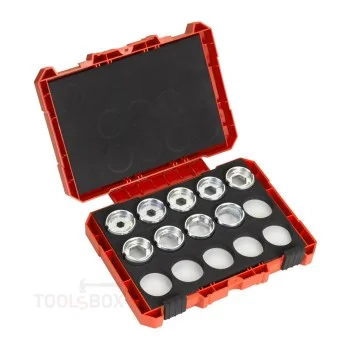
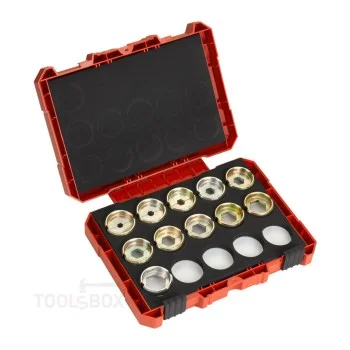
The ratchet mechanism assists in applying even pressure until the stroke is complete. This is useful for repetitive installation because the tool releases the terminal once the set crimping force is reached. Some models feature interchangeable dies, which expands compatibility with various terminals and connectors.
Pliers for network and telephone connectors
Models for RJ45, RJ11, and similar connectors are used when preparing LAN and telephone cables. They often combine crimping, cutting, and stripping the cable into a single tool. With these tools, the connector type, number of positions, and cable type-such as UTP, FTP, or telephone wire-must match.
Pliers for Coaxial and Solar Connectors
For BNC, F, MC4, and other specialized connectors, jaws or dies with a profile matching the specific shape of the ferrule are used. In photovoltaic systems and antenna connections, crimping accuracy directly affects electrical contact, mechanical strength, and protection against loosening.
Selection based on the cable, connector, and crimping profile
The safest choice starts with the type of connection. For cable lugs, consider the conductor cross-section in mm2 or AWG, the type of insulation, and the shape of the terminal. For network cables, check the connector standard, such as RJ45, and the cable size. For coaxial and solar connections, the specific connector and the recommended die profile are the key factors.
- Conductor cross-section: the tool must cover the actual range of cables you work with.
- Tip type: insulated lugs, bare terminals, sleeves, ferrules, RJ connectors, BNC, or MC4 require different jaws.
- Crimping profile: square, trapezoidal, oval, or hexagonal profiles are selected based on the tip and application.
- Interchangeable dies: these are practical for installers who work with multiple types of connectors.
- Ergonomics: comfortable handles, the right lever mechanism, and stroke control reduce fatigue during a series of connections.
For occasional home use, a mechanical model with fixed sockets for the most commonly used sizes is often sufficient. For professional use, ratchet models with precise adjustment, interchangeable dies, and stable jaw guidance are a better choice. For larger cross-sections, cable lugs for power lines, or industrial connections, heavy-duty or hydraulic crimping tools are required.
Compatibility, safety, and precision during operation
High-quality crimping depends on the proper fit between the conductor, the ferrule, and the tool. A socket that is too small damages the terminal or the conductor, while one that is too large leaves the connection loose. Before making a series of connections, it is advisable to perform a test crimp and a visual inspection to ensure even pressure, correct conductor positioning, and no cracked insulation.
When performing electrical work, operate only on de-energized circuits and use tools designed for the specific task. Crimping pliers do not replace wire cutters, combination pliers, or stripping tools, unless the model itself has those functions. Excessive stress on the jaws, cutting hard materials with an unsuitable part of the tool, or crimping outside the specified range lead to an inaccurate connection and faster wear.
Maintenance of crimping tools
To ensure a long service life, clean the jaws of insulation residue, dust, and metal particles. Protect moving parts from corrosion and lubricate them moderately according to the mechanism's needs. For models with replaceable dies, the fastening should be checked before use, and worn or deformed inserts should be replaced. Storing the tool in a case, pouch, or dry drawer protects the working surfaces from impacts and contamination.
Choosing crimping pliers from Toolsbox.bg
Crimping pliers are a small but essential tool for any workshop, service case, or installation kit. Choose a model based on the cables, connectors, and frequency of use, and for specialized connections, opt for a tool with the exact die for the specific connector. Toolsbox.bg offers practical solutions for electricians, technicians, service providers, and discerning DIYers who value clean, stable, and repeatable cable connections.