
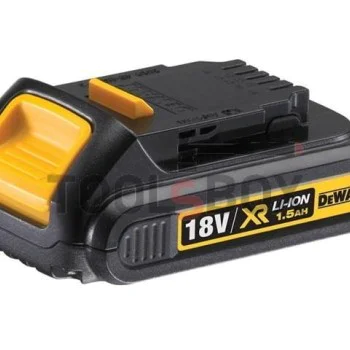
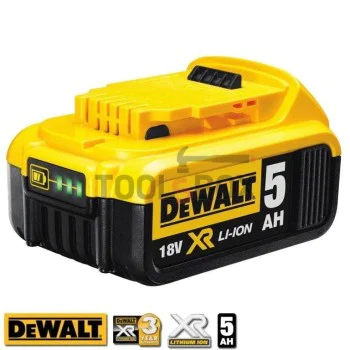
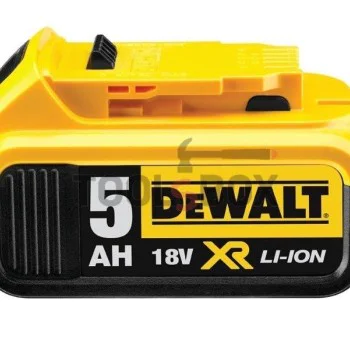
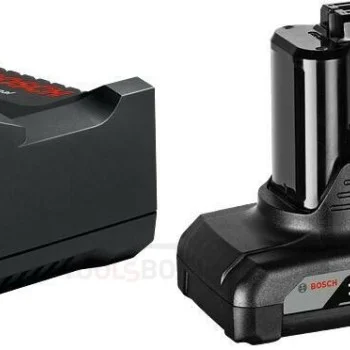
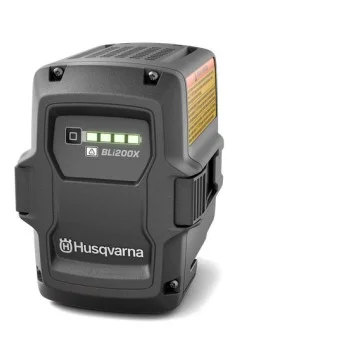
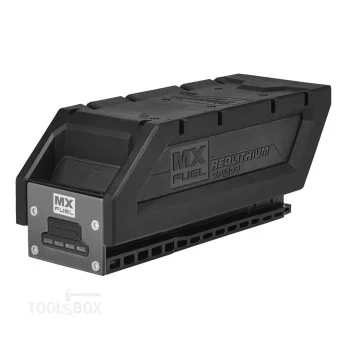
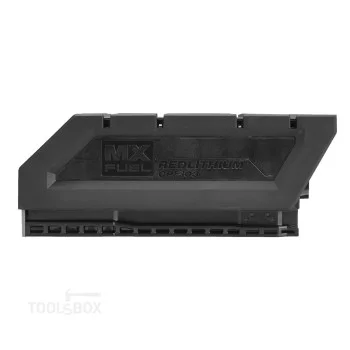
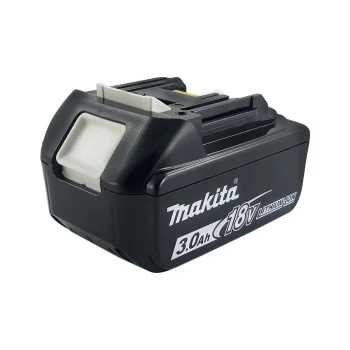
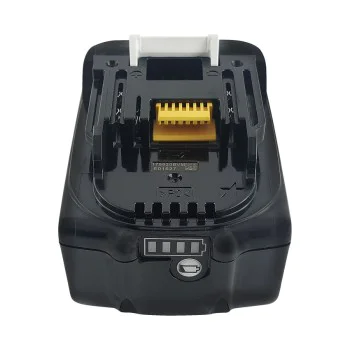
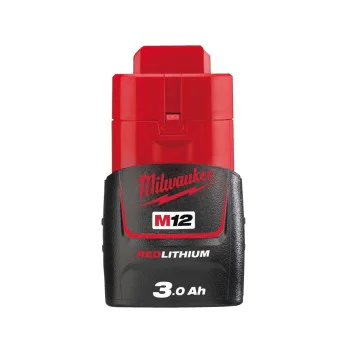
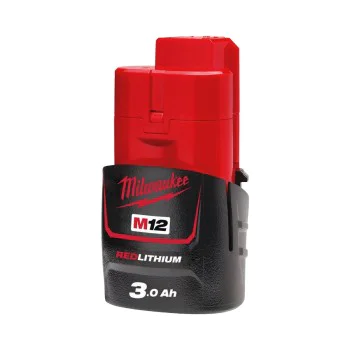
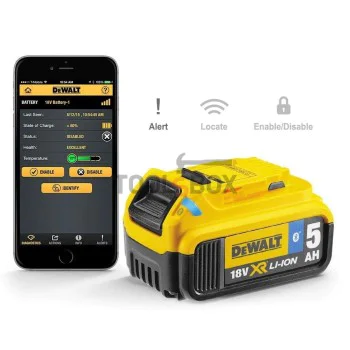
Batteries
Batteries for cordless tools and machines
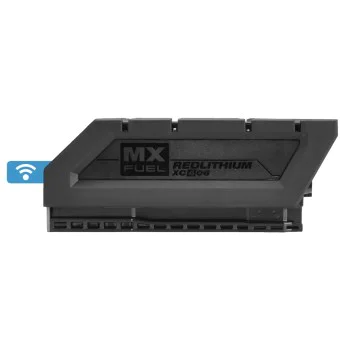
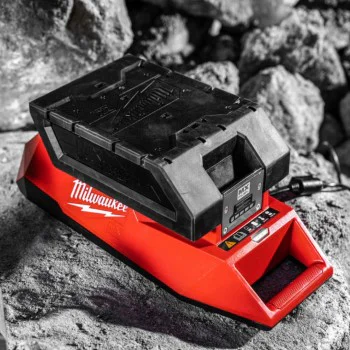
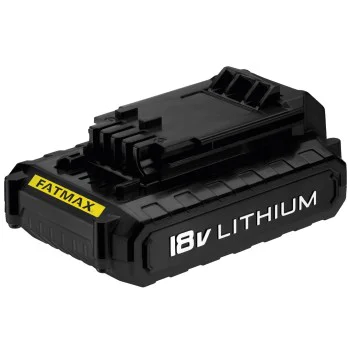
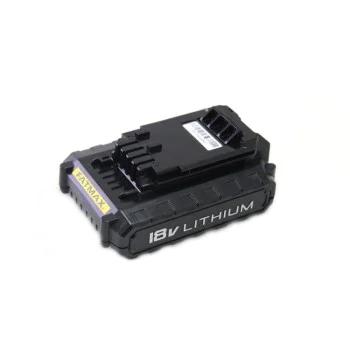
Batteries for cordless tools provide cord-free freedom during repairs, installation, service work, construction tasks, property maintenance, and gardening. They power screwdrivers, drills, impact wrenches, grinders, hammer drills, saws, lighting, vacuum cleaners, garden equipment, and other cordless tools. A properly selected battery ensures stable tool performance, longer runtime, and better load control.
In this product group, the focus is on rechargeable batteries designed for compatible tools and chargers. Models differ in voltage, capacity, cell type, case shape, mounting system, electronic protection, and compatibility with a specific battery platform. In professional use, these parameters directly affect the pace of work, the number of charges per day, and comfort during prolonged operations.
What tasks are rechargeable batteries selected for?
Rechargeable batteries are sought after both as a backup power source and as an addition to an existing set of tools. During installation work, a spare battery allows for work with minimal downtime while another is charging. In construction and renovation, the higher capacity is practical for tools with higher power consumption, such as hammer drills, circular saws, reciprocating saws, and angle grinders. For home use, compact batteries are convenient for screwdrivers, lighting fixtures, small vacuum cleaners, and light repair tasks.
For garden tools, the battery determines the area that can be covered on a single charge. Trimmers, hedge trimmers, leaf blowers, lawn mowers, and chainsaws perform best with a battery matched to the tool's power and the duration of use. For service teams and installers working at various sites, compatible batteries from a single platform reduce the need for multiple chargers and simplify equipment organization.
Key parameters when choosing a battery
The most visible technical specifications are voltage and capacity. The voltage, specified in volts, matches the tool's platform. A 12 V battery cannot replace an 18 V battery, and 20 V or 40 V systems should only be used with compatible tools. Capacity, measured in ampere-hours, indicates the available energy reserve. A higher value typically provides longer runtime but increases the battery's weight and size.
For compact screwdrivers and light assembly work, a battery with a lower capacity improves the tool's balance and reduces hand fatigue. For cutting, drilling into hard materials, sanding, and outdoor work, larger batteries are more practical because they support a longer operating cycle. The charger is also an important factor when choosing-some batteries require a specific type of charger, while others are part of a system where a single charger supports different capacities.
| Criterion | What to check | Practical significance |
|---|---|---|
| Voltage | Compatibility with the battery platform | Correct power supply and safe operation of the machine |
| Capacity | Value in Ah | Runtime, weight, and comfort during prolonged use |
| Mounting type | Sliding base, pin-type, or other housing | Physical compatibility with the tool and charger |
| Electronics | Overload, overheating, and deep discharge protection | Better control over operation and better care for the cells |
Compatibility with tools, chargers, and battery platforms
Compatibility is a key criterion when purchasing batteries. It is not enough for the battery to have a similar voltage or shape. The contacts, locking mechanism, electronic communication, and charging system must all match. With some brands, a single battery platform covers many tools-screwdrivers, saws, flashlights, vacuum cleaners, garden tools, and workshop equipment. This simplifies kit maintenance and allows for more flexible battery allocation across different tasks.
Before purchasing, check the markings on the old battery, the tool, and the charger. The model code, voltage, and platform series are a more accurate guide than the tool's appearance. When replacing an old battery, it is also important to consider your work habits-short installations, all-day work on-site, outdoor use, or intensive service work. This ensures you select a capacity that matches your actual operating conditions.
Lithium-ion batteries and care during use
Lithium-ion batteries are widely used in modern cordless tools due to their good balance of energy, weight, and charging time. They do not need to be fully discharged before recharging and are best stored in a dry place, away from direct heat, moisture, and metal objects that could touch the contacts. For a longer service life, it is advisable not to leave the battery fully discharged for extended periods.
When working with rechargeable batteries, care must be taken with the casing and contacts. Impacts, cracks, moisture, or dirt on the terminals can lead to an unstable power supply. It is recommended to charge only with a compatible charger and to insert the battery into the machine without forcing the mechanism. During prolonged use, especially when cutting and grinding, cooling breaks protect both the battery and the tool's electronics.
Batteries for professional and home use
For home repairs and occasional maintenance, a single kit with a compact battery and charger is often sufficient. For professional teams, a combination of several batteries with different capacities is more practical-lightweight models for overhead work or tight spaces and batteries with a larger power reserve for heavy-duty tasks. This way, each tool receives power appropriate to the load without unnecessary weight during precision operations.
At Toolsbox.bg, you can select batteries for cordless tools based on the machine's platform, required runtime, capacity, and charger type. Browse the available models, compare technical specifications, and choose a battery that supports your work in the service center, workshop, on-site, or at home.