
Wrench
Wrench for precise installation, repair, and maintenance
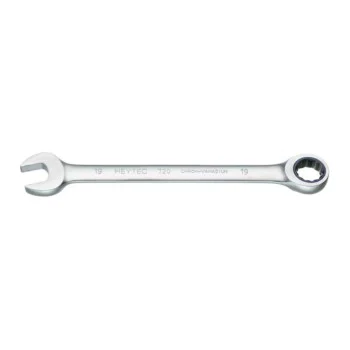
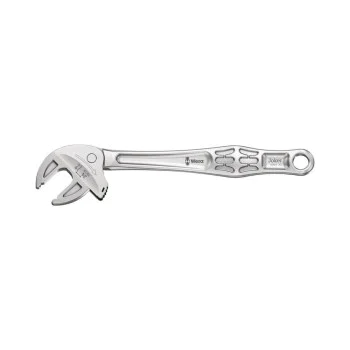
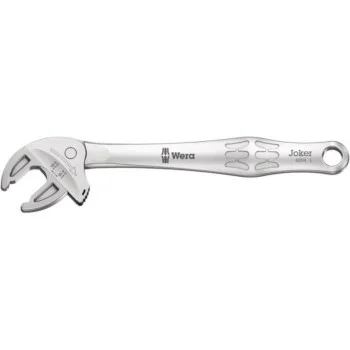
A wrench is a hand tool used to tighten and loosen nuts, bolts, studs, and other threaded fasteners. It is essential for machine repair, metal structure assembly, automotive maintenance, plumbing work, equipment assembly, and a variety of tasks in the workshop. The right size protects the nut's threads, reduces slippage, and provides better control when working in tight or hard-to-reach spaces.
Toolsbox.bg offers a selection of wrenches for professional and home use-single-size models, double-ended wrenches, short and extended versions, sets with the most commonly used sizes, and variants with different jaw shapes. This makes it easy to find the right tool for a service shop, garage, installation crew, or personal workshop.
What do wrenches include?
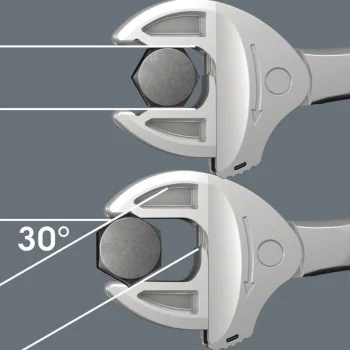
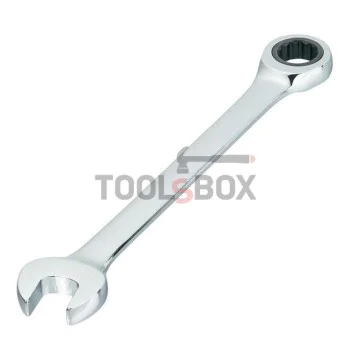
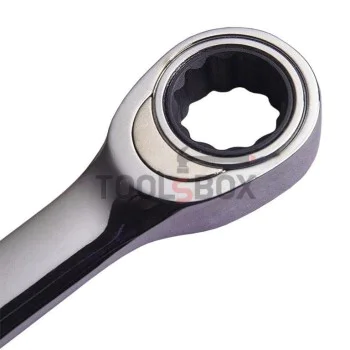
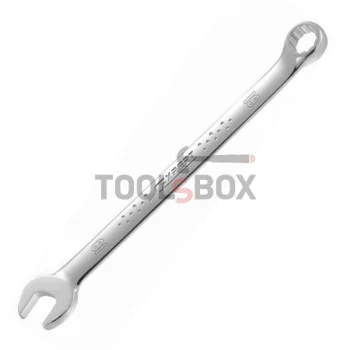
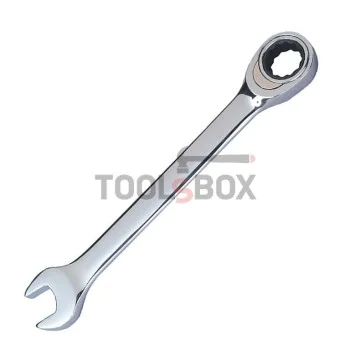
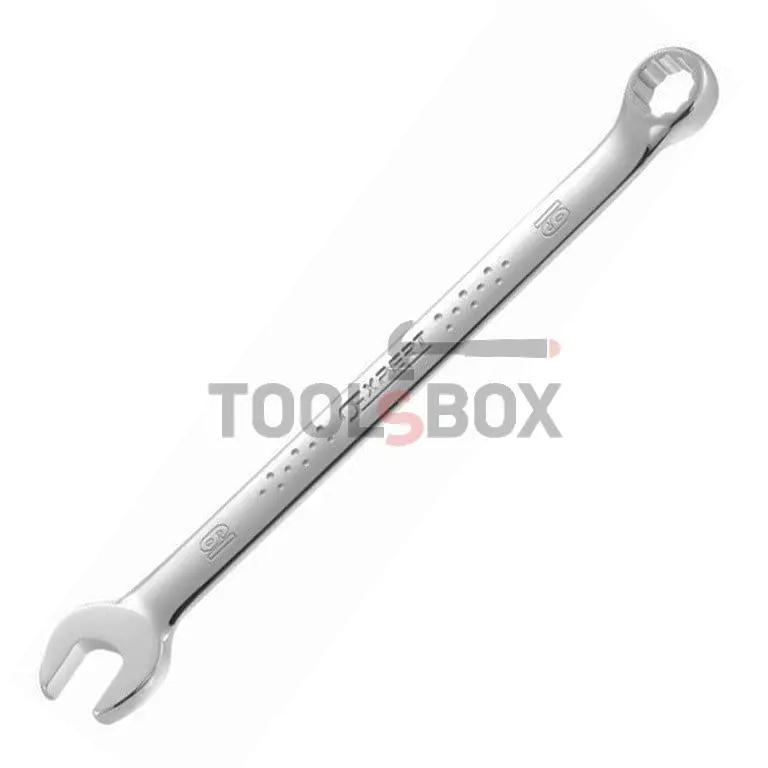
The classic wrench has an open jaw that grips two opposite sides of the nut or bolt. This type is convenient for working with long threads, pipe connections, cable clamps, and places where a closed ring could not be placed over the fastener. The jaw is often angled relative to the handle, which makes it easier to maneuver the tool in tight spaces.
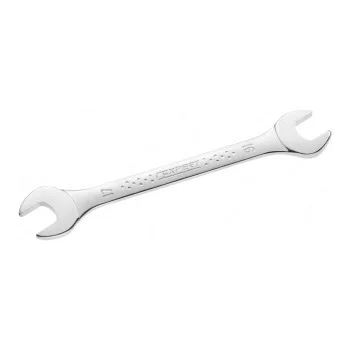
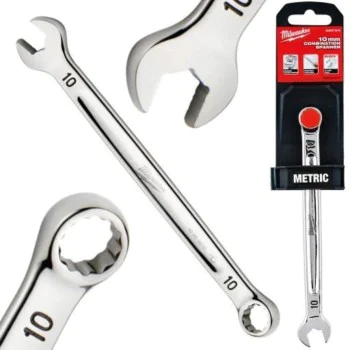
Double-ended wrenches combine two sizes in one tool and save space in a toolbox or drawer. In sets, the sizes are arranged sequentially, which is convenient when working with different fasteners within a single machine or installation. Some models have a longer handle for greater leverage, while compact versions are valuable for work in dashboards, engine compartments, furniture assembly, and light repair work.
Typical Applications
Wrenches are used where direct access to a nut or bolt is required without impact action. They are part of the basic set of hand tools for mechanics, technicians, installers, construction crews, and DIYers. In automobiles and agricultural machinery, they are used for servicing clamps, brackets, connections, and adjustments. In construction, they are used for anchors, brackets, metal profiles, and mounting elements. In plumbing and heating systems, they are useful for fittings, locknuts, and fasteners around valves.
- Auto repair shops and garages-work on the chassis, fasteners, clamps, and additional equipment.
- Installation and construction-tightening bolted connections on profiles, strips, anchors, and supports.
- Machinery and equipment-adjustment, maintenance, and minor repairs of assemblies with threaded connections.
- Home workshop-furniture assembly, bicycle repair, maintenance of garden equipment and household appliances.
Sizes, profile, and working range
The size of the wrench is selected based on the width between the opposing faces of the nut or the bolt head. For metric fasteners, sizes are indicated in millimeters, for example 8, 10, 13, 17, or 19 mm. An incorrect size leads to play, slipping, and damaged edges, so the right choice is especially important for old, corroded, or tightly fastened joints.
For higher torque, it is better to use a wrench with a sufficiently long handle and a well-finished jaw. Shorter models provide better control in confined spaces but are not designed for excessive loads. For frequent maintenance use, a set with consecutive sizes is a practical solution because it covers most standard fasteners and reduces the time spent searching for the right tool.
Materials and Construction
For wrenches, durability depends on the steel, heat treatment, jaw precision, and protective coating. Many models are made of chrome-vanadium steel, valued for its resistance to manual stress. The chrome-plated finish protects against corrosion and makes cleaning easier after working with oils, dust, or construction debris.
A well-shaped handle ensures a stable grip, and smooth edges reduce fatigue during prolonged use. The precision jaws fit snugly against the fastener and distribute force evenly. When selecting tools for service and professional work, it is worth looking for models with clearly marked sizes, a uniform coating, and well-defined geometry on the working surfaces.
Single-size wrench or set
A single-piece wrench is practical when working regularly with a specific size-for example, when adjusting a machine, maintaining a certain type of equipment, or installing recurring fasteners. A set is more convenient for workshops, service vehicles, and general maintenance, as it provides a ready-to-use range of sizes for various tasks.
When choosing a set, it's wise to consider the size range, storage method, and whether a stand, case, or mat is included. Organized storage protects the tools, speeds up work, and reduces the risk of losing a frequently used size. For mobile teams, a compact case is more convenient, while for a stationary workshop, a metal stand or cabinet insert keeps the workspace organized.
Compatibility, Safety, and Maintenance
The wrench must fit the fastener precisely and be placed all the way onto the flats of the nut. Working at an angle or with incomplete contact increases the load on the edges and on the tool itself. For tightly fastened joints, it is safer to use a longer wrench of the correct size rather than extending it with a pipe, which puts undue stress on the handle.
After use, clean the tools of oil, dust, and moisture; when storing them in a garage or workshop, keep them in a dry place. If there are signs of wear on the jaws or deformation, the wrench should not be used on heavily loaded connections. Regular maintenance extends the tool's lifespan and preserves its accuracy during daily use.
Choosing a wrench from Toolsbox.bg
When reviewing the available models, pay attention to the size, length, material, jaw shape, and set contents. For workshops and frequent use, look for durable wrenches with clear markings and a comfortable grip. For home repairs, a practical set covering standard sizes for furniture, bicycles, appliances, and light assembly work is a good choice.
Browse the offerings at Toolsbox.bg and choose a wrench based on the specific job-from a single size for a precise task to a set for fully equipping a workshop, garage, or toolbox.