
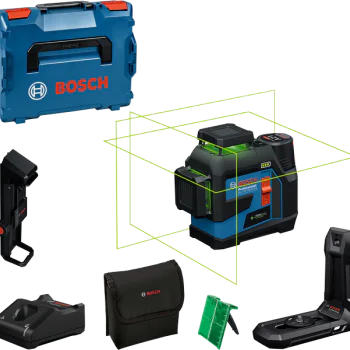
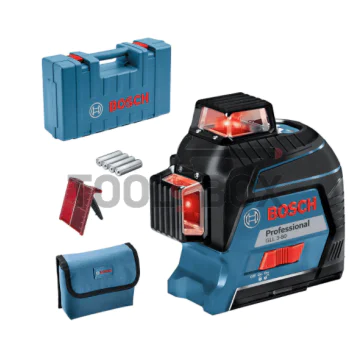
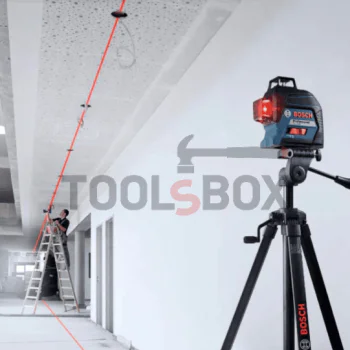
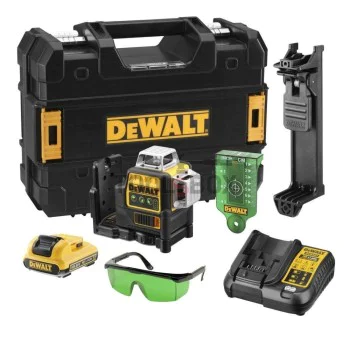


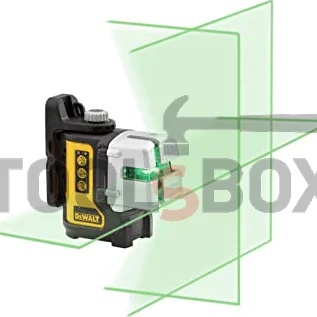
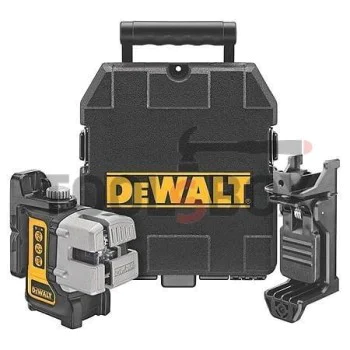
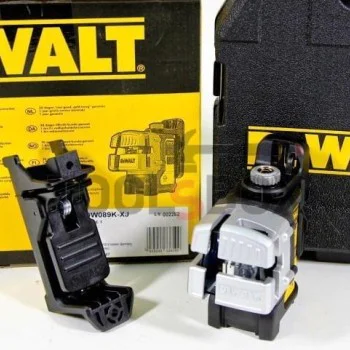
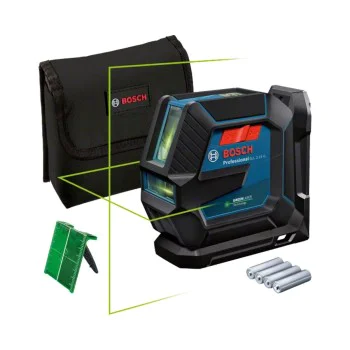


Linear laser levels
Linear laser levels for precise leveling and alignment
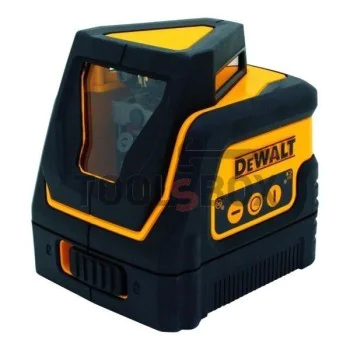
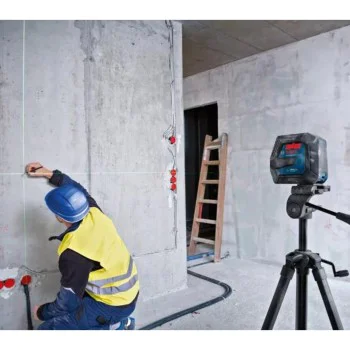
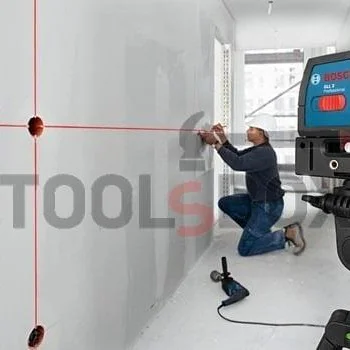
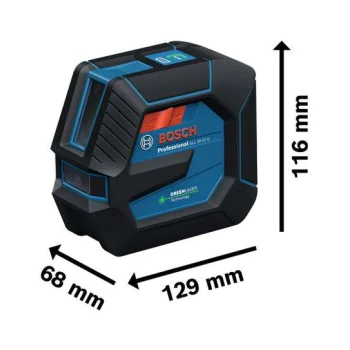
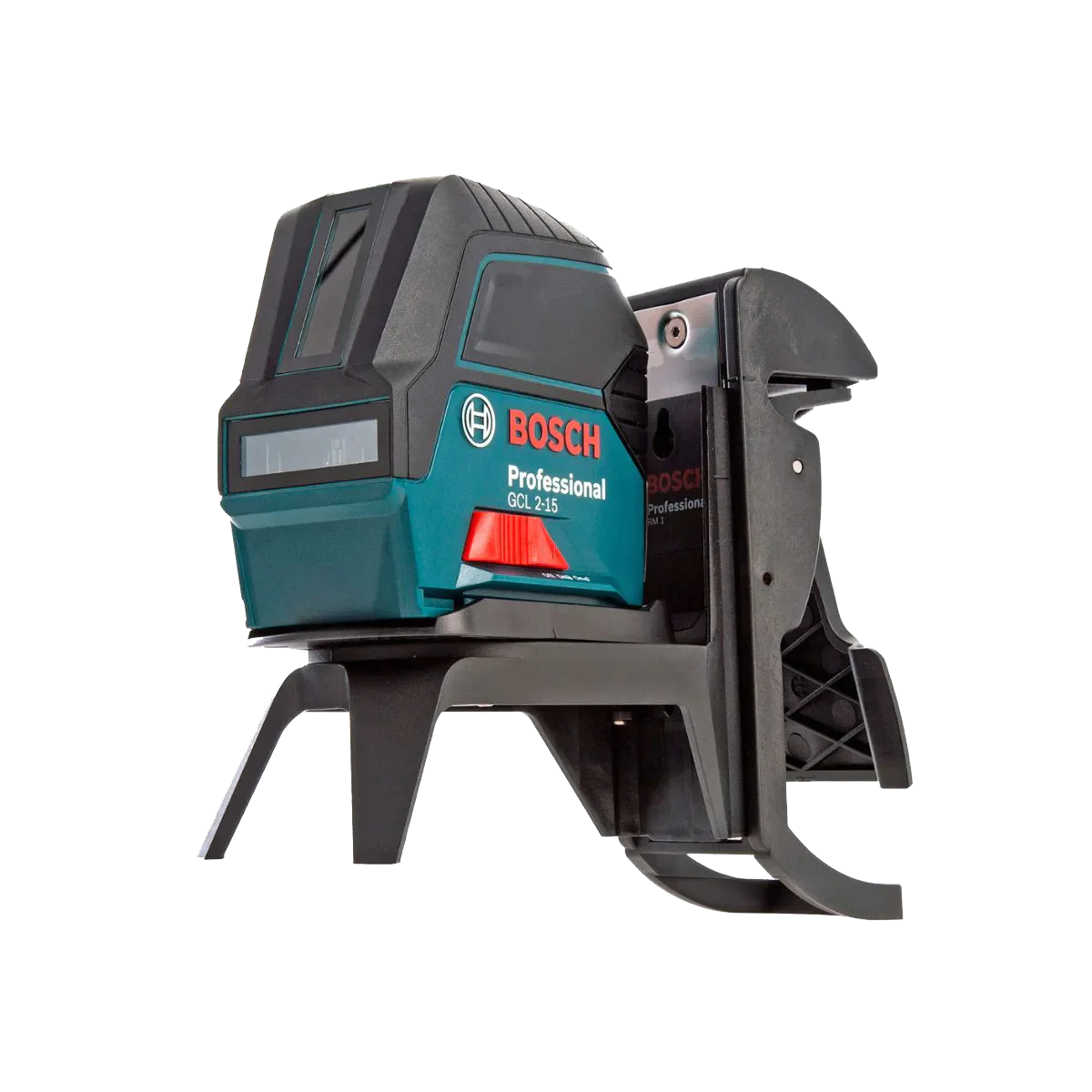
Line laser levels are measuring instruments for the precise projection of horizontal, vertical, and cross lines onto walls, floors, ceilings, and structural elements. They replace the time-consuming process of marking with a pencil, chalk line, and spirit level, providing a clear reference line for installation, finishing work, repairs, and checking for levelness. Line laser levels are valued in construction, interior work, workshops, and home maintenance because they save time and reduce the risk of misalignment.
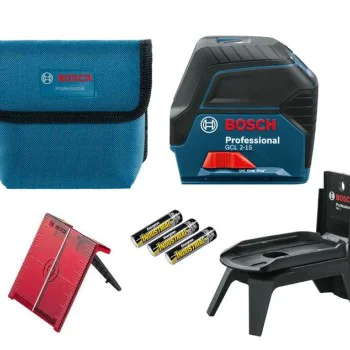
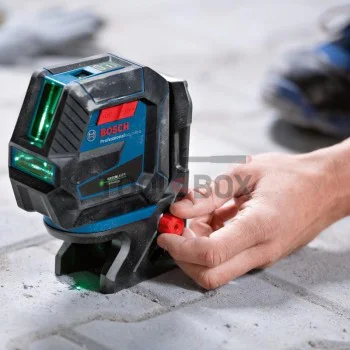
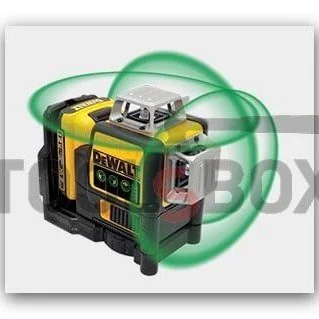
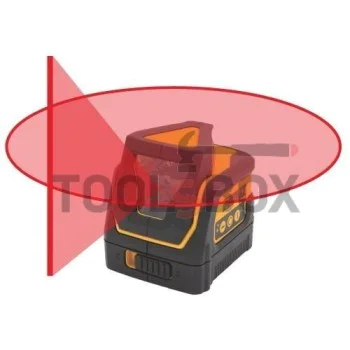
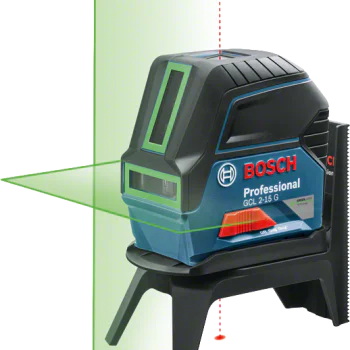
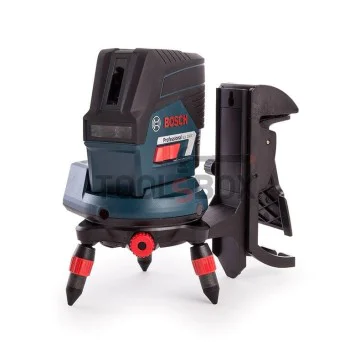
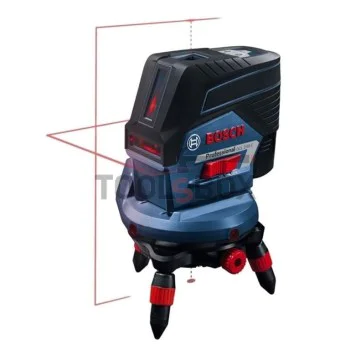
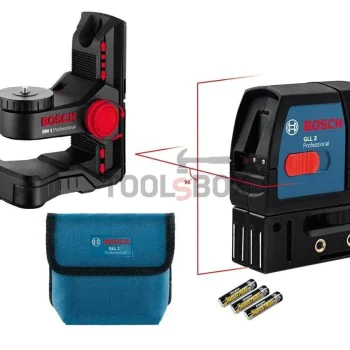
This type of laser level emits a visible beam in the form of a line. Depending on the design, the device operates with a single line, two intersecting lines, a full 360° beam, or a combination of horizontal and vertical projections. This facilitates tasks such as laying tiles, installing suspended ceilings, leveling kitchen cabinets, and aligning outlets, doors, windows, railings, shelves, and drywall profiles.
What tasks are linear laser levels used for?
Linear laser levels are used wherever a straight, visible line is needed without the need for constant measurement from multiple points. In interior renovations, they help create straight lines for wall coverings, wallpaper, wainscoting, and decorative elements. In construction and installation work, they facilitate the positioning of metal profiles, leveling openings, aligning cable runs, and checking finished surfaces.
- Tile and flooring installation-setting the first row, checking joints, and ensuring a straight line along a wall or floor.
- Drywall and dry construction-leveling profiles, hangers, partition walls, and ceiling structures.
- Furniture and interior - installation of cabinets, shelves, countertops, crown molding, mirrors, and decorative panels.
- Electrical and plumbing installation - leveling brackets, pipe runs, cable channels, and plumbing fixtures.
- Inspection during renovation-checking for slopes, symmetry, and deviations before final fastening.
Types of Linear Laser Levels
Different linear laser levels vary in the number of lines, beam visibility, working range, power source, and mounting method. For small home projects, a compact cross-line model is often sufficient. For larger rooms, construction sites, and work involving multiple planes, devices with a 360° line, additional verticals, pendulum lock, and the option to use a tripod or stand are more convenient.
| Device type | Practical application | What to compare |
|---|---|---|
| Cross-line level | Installation of furniture, tiles, shelves, outlets, and decorative elements | Accuracy, beam visibility, self-leveling range |
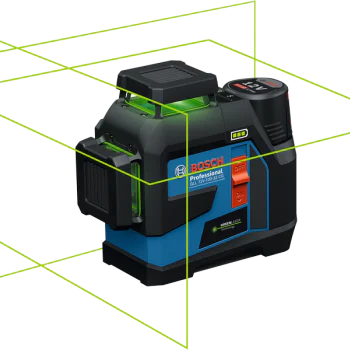
| Linear level with 360° horizontal range | Suspended ceilings, wall cladding, whole-room projects | Range, projection stability, tripod thread |
| Model with multiple verticals | Partition walls, corners, openings, profiles, and construction lines | Number of beams, control of individual planes, tilt lock |
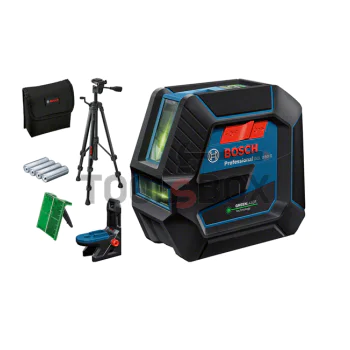
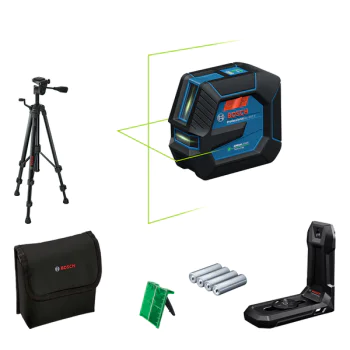
| Green beam | Rooms with brighter lighting and tasks requiring a clearer line | Battery life, operating range, price of the device |
How to choose a line laser level
When choosing a line laser level, start with the tasks you'll be performing most often. For installing shelves, pictures, and cabinets, a lightweight model with a cross-line laser is practical. For tiling, ceilings, and professional use, look for a longer range, good visibility, the ability to mount on a tripod, and a sturdy housing. If you work in brighter rooms, the green beam is usually more visible than the red one, but check the battery life and range specifications provided by the manufacturer.
Accuracy is among the most important technical parameters. It is specified as the permissible deviation at a certain distance. For short indoor installations, the differences between models may seem minor, but for long lines and serial installations, precision makes a noticeable difference. The operating range indicates the distance at which the line remains visible and functional. For some devices, the range can be extended with a receiver if the model supports this feature.
Self-leveling makes setup easier because the device automatically compensates for small deviations from a level position. When the tilt is outside the permissible range, many models emit a light or sound signal. The pendulum lock protects the mechanism during transport and allows for work at a set angle, for example, when installing railings, stair lines, or decorative diagonals.
Power Supply, Installation, and Compatible Accessories
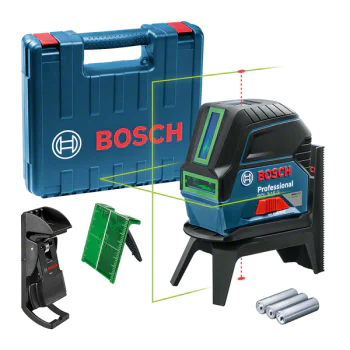
Linear laser levels are available with standard batteries, rechargeable batteries, or a combination power supply. For short tasks at home, standard batteries are convenient, while for extended use, the rechargeable option allows for better organization of your workday. Check the charger type, runtime, and available charge indicators in the technical specifications of the selected model.
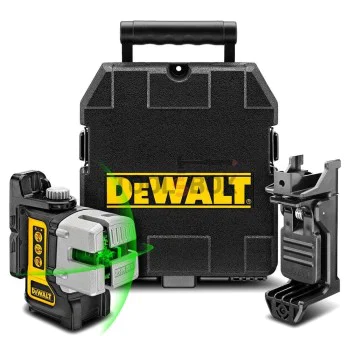
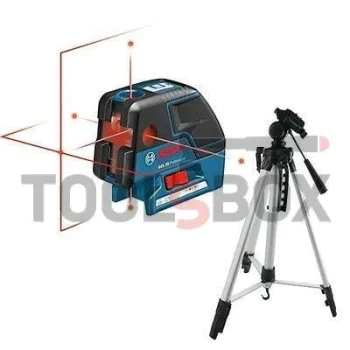
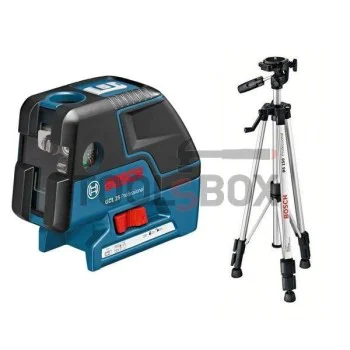
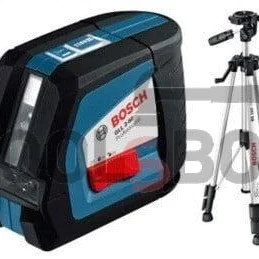
For a stable line, place the tool on a flat surface, a tripod, a telescopic stand, a magnetic strip, or a wall mount. 1/4" and 5/8" threads are common on measuring tools, but always check the specifications for compatibility with a specific tripod. When working on metal structures, the magnetic base facilitates positioning, and when installing on ceilings, the telescopic stand provides height flexibility.
Safety and Care
The laser beam is a measuring tool, not a light source. Do not point the beam at your eyes and keep the device out of reach of children. Work with clean optical windows, as dust, cement particles, and paint splatters impair the beam's visibility. After use, lock the pendulum, store the device in a case or bag, and keep it away from heavy impacts, moisture, and sudden temperature changes.
For professional use, it is advisable to periodically check accuracy by comparing it to a verified level or using the method described in the manufacturer's instructions. This ensures that linear laser levels maintain their operational reliability during daily installations, transport between sites, and work in dusty environments.
Linear Laser Levels at Toolsbox.bg
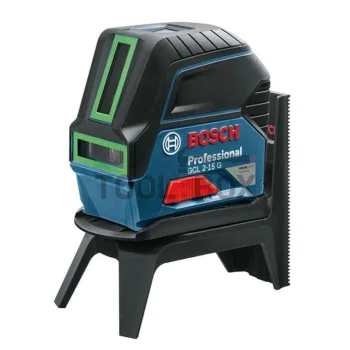
Linear laser levels at Toolsbox.bg meet the needs of installers, construction crews, service technicians, and discerning DIYers. Choose a model based on the number of lines, beam color, accuracy, range, power source, and compatible tripods. This way, you'll have a precise measuring tool for alignment, leveling, and inspection during repairs, construction, and installation.