


Vibration Masters
Vibratory screeds for smooth and compacted concrete
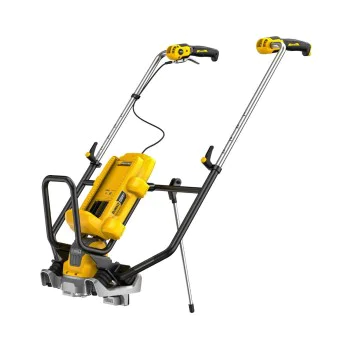
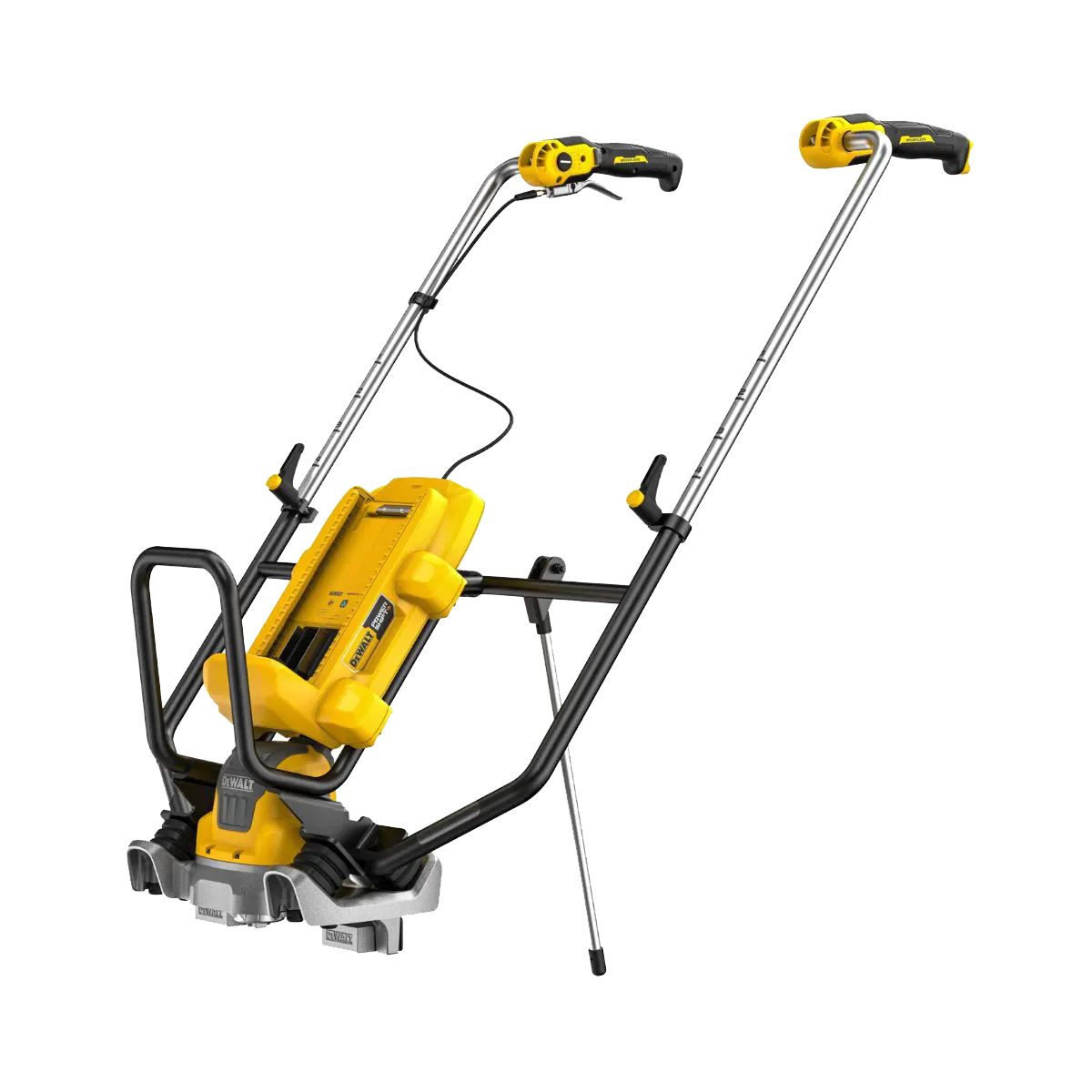
Vibratory screeds are construction machines used for spreading, leveling, and vibrating freshly placed concrete. They reduce surface finishing time and help produce a level slab with better compaction in the top layer. The vibration removes air pockets, distributes the mixture more evenly, and facilitates the shaping of floors, screeds, patios, walkways, foundations, and concrete pavements. With construction equipment of this type, choosing the right length, drive, and working profile directly affects the pace of work and the final appearance of the concrete.
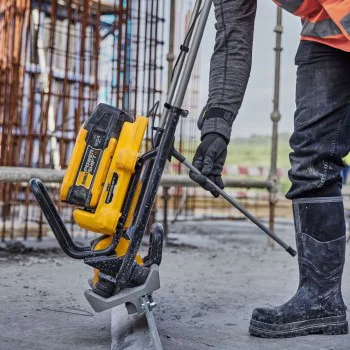
Vibratory screeds are sought after by construction crews and industrial flooring companies, as well as by contractors working on garages, yards, small slabs, or repair sites. The machine replaces heavy manual work with a screed, combining material spreading with a vibrating action. This makes the work more even, and the operator controls the level using the working beam and control handles.
What are vibrating screeds used for?
Vibratory screeds are used for placing concrete on horizontal surfaces where a level surface and good surface density are required. They are useful in residential construction, industrial warehouses, storage facilities, service areas, sidewalks, ramps, flooring foundations, and concrete pads. For smaller projects, compact models that are easier to transport are preferred, while for large areas, the width of the working profile, power, and stable performance on the concrete mix are key factors.
The work process typically involves placing the concrete, rough leveling, finishing with a vibrating screed, and subsequent finishing depending on the type of pavement. When operated correctly, the machine leaves a smooth finish and reduces the need for additional corrections. The vibration must correspond to the concrete's consistency, the layer's thickness, and the surface requirements.
Types of vibrating screeds based on drive and construction
Different vibrating screeds vary in power source, beam length, weight, vibration intensity, profile shape, and control method. For outdoor work, gasoline-powered machines are convenient because they do not rely on an electrical power supply. Electric models are practical for sites with access to electricity and for locations where the absence of exhaust fumes is desired. In some systems, the working beam is interchangeable, allowing adaptation to different placement widths.
| Machine Type | Typical use | What to Consider |
|---|---|---|
| Gas-powered vibrating screeds | Open areas, yards, slabs, foundations, and larger construction sites | Engine power, fuel consumption, weight, ease of starting and handling |
| Electric vibrating rammers | Work near a power source, indoor or partially enclosed areas with adequate safety measures | Voltage, cable length, connection protection, and site conditions |
| Models with interchangeable blades | Sites with varying widths of the treated strip | Beam compatibility, length, material, and mounting method |
Selecting a vibrating screed based on the job
When selecting a vibrating screed, first consider the size of the area and the width of the strip to be processed in a single pass. A longer beam covers more material but requires better control and even pulling. Shorter profiles are easier to maneuver in tight spaces, around formwork, columns, walls, and details. For professional use in daily work, a sturdy frame, a good anti-vibration handle, and easy access to service components are valuable.
The power and frequency of the vibration affect the compaction and the machine's behavior on the concrete. Too weak a vibration makes leveling difficult, while excessive processing of an unsuitable mix creates a risk of water and fine material separating to the surface. Therefore, the machine is selected based on the layer thickness, the consistency of the concrete, and the required finish. Vibrating screeds with ergonomic handles and well-balanced weight reduce fatigue during long work shifts.
Working beam, materials, and dimensions
The screed is the component that comes into contact with the concrete and determines the working width. Aluminum profiles are often preferred because they are lightweight, corrosion-resistant, and easy to clean. The profile's shape facilitates smooth gliding over the mixture, and the smooth working surface reduces concrete buildup. When replacing or adding beams, check the grip, length, compatibility with the vibrating module, and the strength of the fastening.
Safety and Machine Care
Working with vibrating screeds requires a stable stance, control over the direction of pull, and personal protective equipment-gloves, safety shoes, goggles, and hearing protection for noisy machines. Electric models must be connected to a protected power source, away from wet or damaged cable connections. Gas-powered machines should be maintained according to the engine's instructions, with attention to fuel, oil, filters, and fasteners.
After use, the profile and vibrating unit must be cleaned of fresh concrete before the material hardens. Regular inspection of bolts, pads, handles, and cables extends service life and keeps the machine stable for the next use. Storing the machine in a dry place protects metal parts and electrical connections.
Vibratory Screeds at Toolsbox.bg
The vibrating screed section at Toolsbox.bg is designed for contractors and professional teams looking for construction equipment for uniform concrete placement. Compare models by drive type, beam length, weight, power, and ease of use. This will help you select a machine that matches the scale of the project, the available power supply, and the team's working methods.