
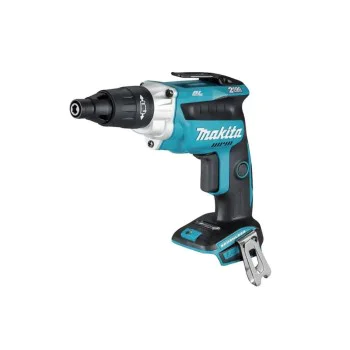
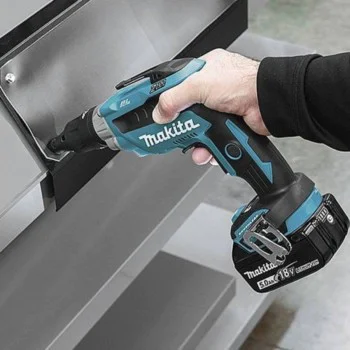
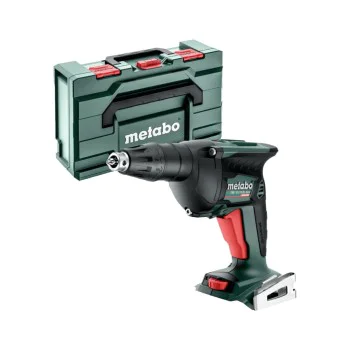
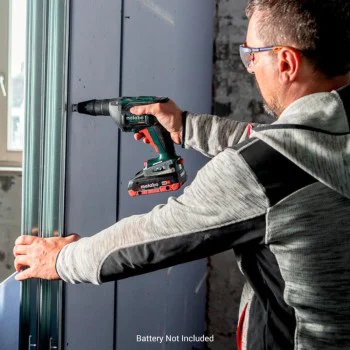
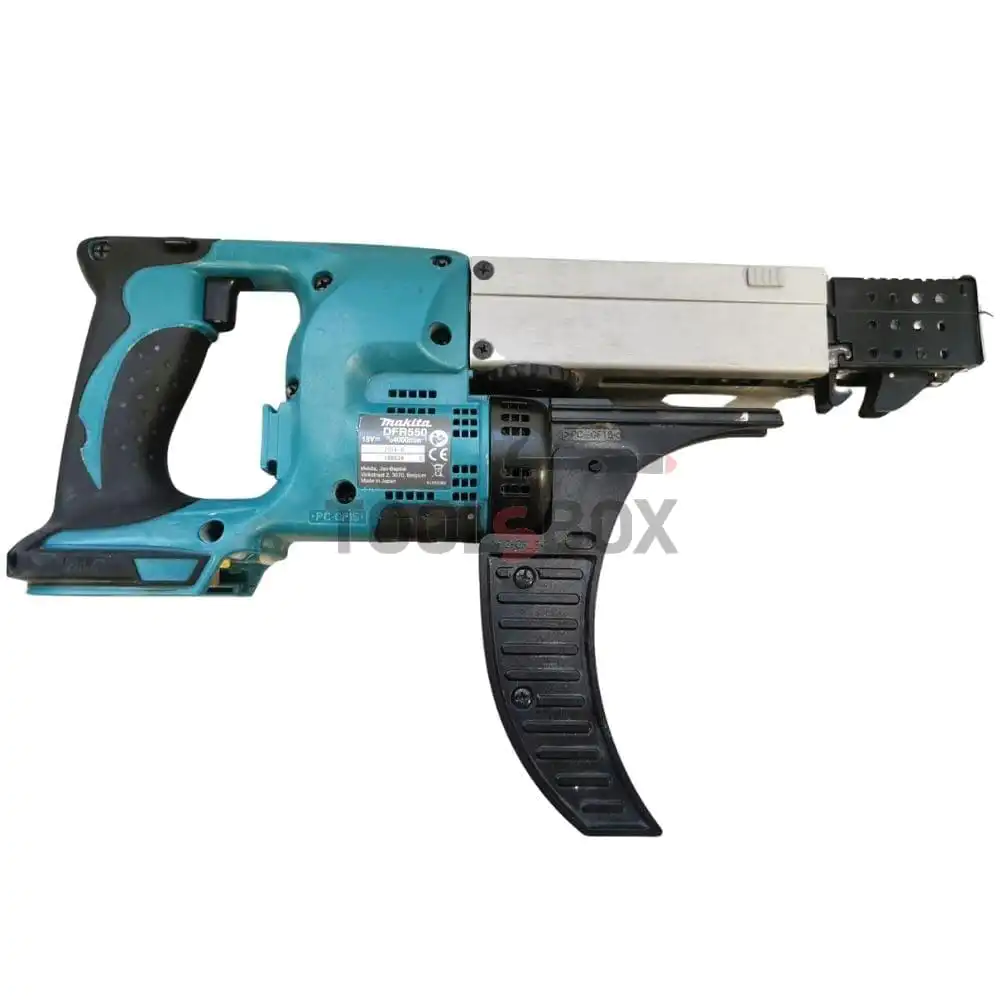
Drywall screwdrivers
Drywall screwdrivers for precise and quick installation of panels
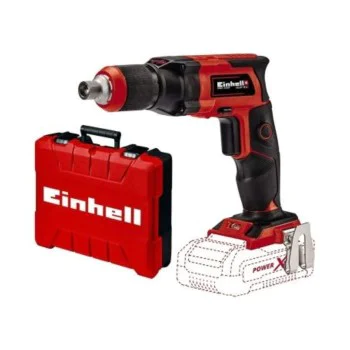
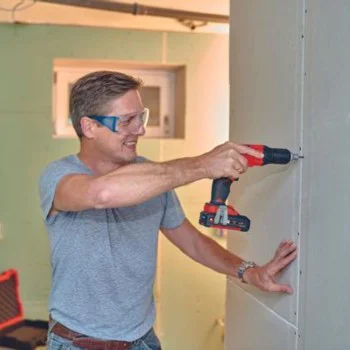
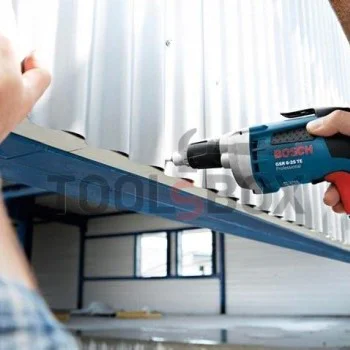
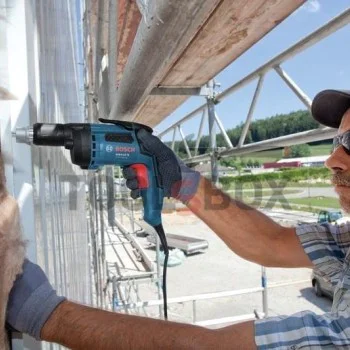
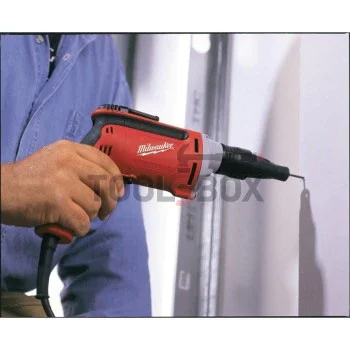
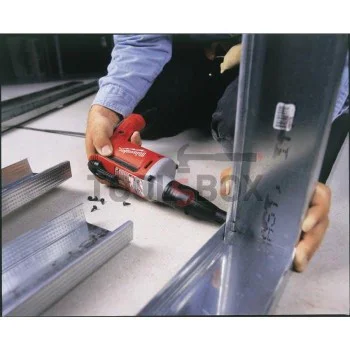
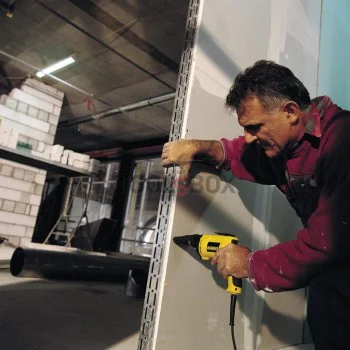
Drywall screwdrivers are specialized power tools for drywall construction, where depth control, high RPM, and smooth screw insertion are critical to achieving a clean finish. They are designed for installing drywall panels on metal or wood frames, cladding, wall linings, suspended ceilings, and partition walls. Unlike a standard screwdriver, the drywall screwdriver features a depth stop, ensuring the screw head sinks in properly without tearing the drywall or protruding above the surface.
This type of screwdriver is valuable for serial fastening, where consistency, speed, and reduced fatigue during long work cycles are required. At Toolsbox.bg, you'll find models for professional installers, interior renovation crews, and discerning DIYers looking for a clean finish when building or renovating spaces.
What sets a drywall screwdriver apart
When installing drywall, it is not enough for the screw to simply be driven in. The head must be seated at the exact depth so as not to interfere with spackling and to ensure the fastening does not loosen. That is why drywall screwdrivers feature anadjustable depth stop that controls how far the screw is driven in. When properly adjusted, each screw is driven to the same depth, and the surface remains ready for further finishing.
Another distinctive feature is high RPM. This speeds up the screwing process in drywall and profiles without placing unnecessary strain on the operator. Some models feature a pressure-activated mode, where the motor engages upon contact between the screw and the surface. This saves energy in cordless models and makes continuous operation more comfortable.
Specialized bits, bit holders, and nose attachments are also important. Some models use standard PH2 bits, while others work with extended bits or a strip screw attachment. Compatibility between the screwdriver, the bit, and the screws is crucial for clean screwing and less wear on consumables.
Applications in drywall construction and renovation
Drywall screwdrivers are most commonly used for mounting panels to CD, UD, CW, and UW profiles, wooden furring strips, or other load-bearing substructures. They are practical for building partition walls, wall cladding, single- or multi-level ceilings, niches, decorative elements, and renovation work in homes, offices, stores, and service areas.
For smaller repair jobs, the machine helps achieve a cleaner and more even fastening compared to a standard cordless screwdriver. On large projects, the advantage lies in the speed of work and the consistent screw-in depth. Installers who work with drywall daily appreciate the low weight, ergonomic handle, comfortable trigger, and stable guidance along the profile line.
Types of drywall screwdrivers
Mains-powered screwdrivers
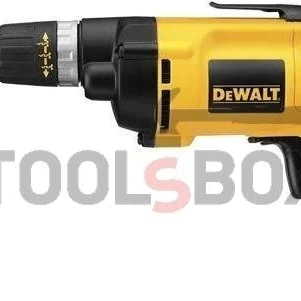
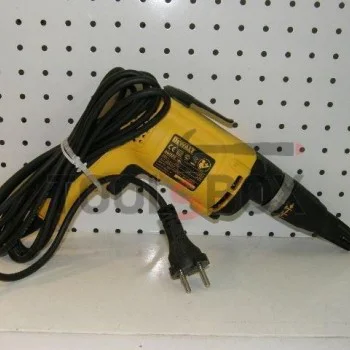
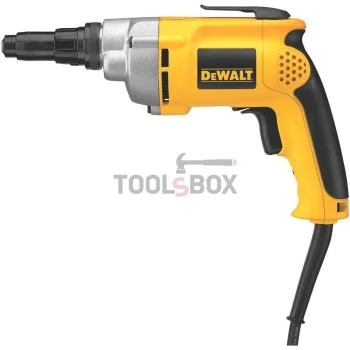
Mains-powered models are powered by the electrical grid and are suitable for extended work on a job site with an available power source. They do not require battery changes or recharging, making them convenient for long installation days. When choosing, pay attention to power, RPM, cable length, weight, and comfort when working overhead.
Cordless screwdrivers
Cordless screwdrivers for drywall provide freedom of movement when installing ceilings, walls, and hard-to-reach areas. They are preferred for sites without a constant power supply or when working in multiple rooms. Key factors to consider include battery voltage, capacity, charging time, weight with the battery installed, and compatibility with an existing cordless system.
Screwdrivers with a strip screw magazine
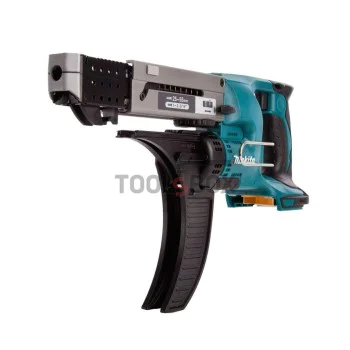
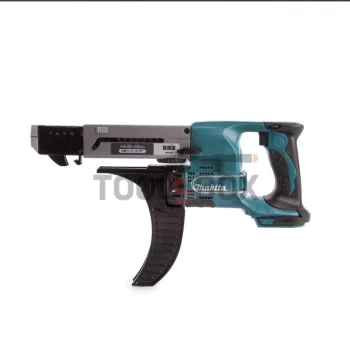
Models with a strip screw magazine speed up serial installation because the screws are fed sequentially. This is a major convenience for large areas, ceilings, and long walls. With these tools, check the range of screw lengths, depth adjustment, strip replacement, and access to the cleaning mechanism.
Criteria for choosing a drywall screwdriver
The right choice depends on the scope of work, the type of substructure, your preferred power source, and the required performance. For home repairs, a lightweight model with a precise depth stop and convenient adjustment is often sufficient. For daily professional use, look for tools with a durable housing, good balance, consistent speed, and quick bit changes.
- Speed: Higher speeds facilitate quick screwing into drywall and thin metal profiles.
- Depth control: Fine adjustment prevents the drywall from tearing and prepares the surface for spackling.
- Torque: sufficient torque is required when working with thicker profiles or wooden grids.
- Weight and balance: A lightweight and well-balanced tool reduces fatigue when working on ceilings and high walls.
- Power supply: Corded models are practical for long jobs; cordless models offer mobility.
- Attachments and accessories: a magazine for strip screws, spare bits, magnetic holders, and depth stops enhance convenience.
Compatibility with screws, bits, and accessories
For secure fastening, use screws appropriate for the substrate. Fine-threaded screws are used for metal profiles, while coarse-threaded screws are used for wooden structures. The length is selected based on the thickness of the panel and the type of framing. For double-layer cladding, longer screws are needed to securely fasten the second layer to the substructure.
Bits are consumables and wear out during intensive use. A worn bit slips, damages the screw head, and slows down installation. Therefore, it is wise to keep spare PH2 bits or compatible bits depending on the specific tool. For screwdrivers with a magazine, check that the strip screws match the permissible length and feed pitch.
Operation, Safety, and Maintenance
Before starting work, adjust the depth stop on a test piece of drywall. The screw head should be slightly countersunk without piercing the drywall. Hold the tool perpendicular to the surface to avoid angled driving and damage to the bit. When working overhead, wear safety goggles, and for prolonged installation, use gloves with a good grip.
Plasterboard dust is fine and accumulates around the nose piece, ventilation openings, and the magazine mechanism. Regular cleaning extends the tool's life and maintains feed accuracy. For cordless models, keep the batteries dry and charged according to the manufacturer's instructions. For corded machines, check the cord and plug for damage.
Selection from Toolsbox.bg
Choosing a drywall screwdriver should be based on your actual work: square footage, installation frequency, profile type, need for mobility, and desired speed. Browse the available models at Toolsbox.bg, compare power, RPM, weight, attachments, and compatible accessories to choose a tool that fits your drywall installation workflow.