
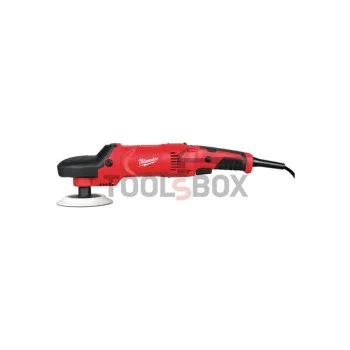
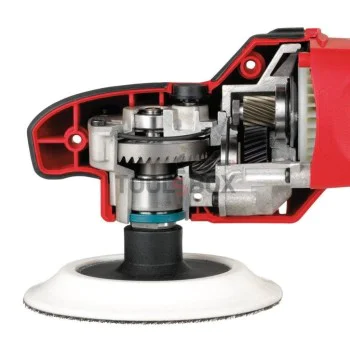
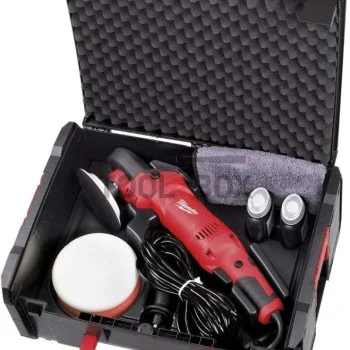
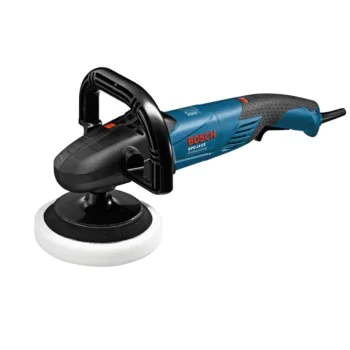
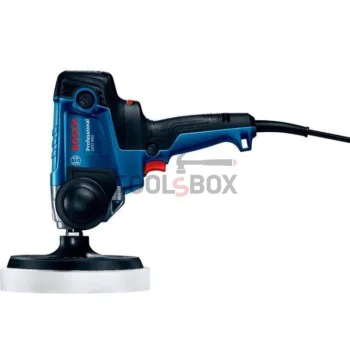
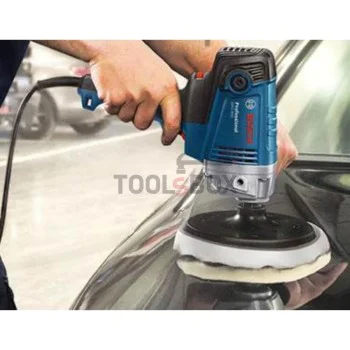
Polishing machines
Polishing machines for finishing, restoration, and maintenance of surfaces
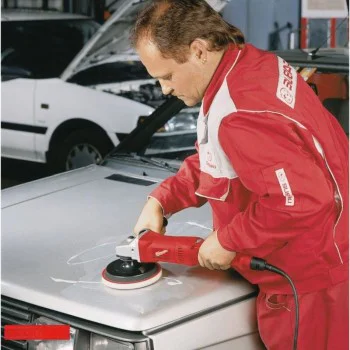
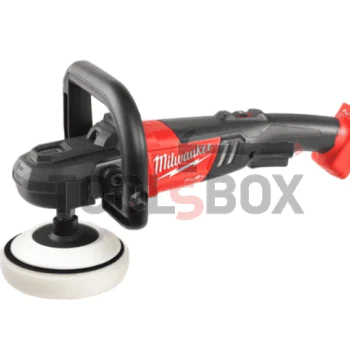
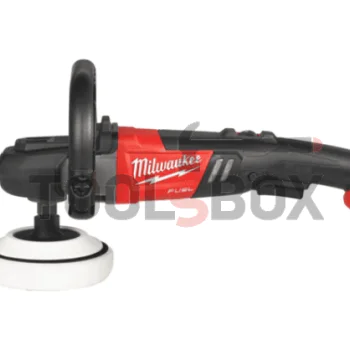
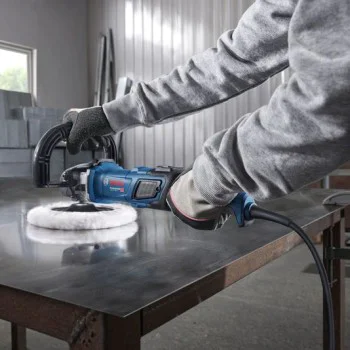
Polishing machines are used to refresh, smooth, and restore various surfaces-automotive paint, metal, wood, plastic, stone, and painted parts. They help remove light scratches, sanding marks, oxidation, dull spots, and dirt that cannot be removed by hand. A well-chosen model makes work easier in a service center, workshop, garage, or for home maintenance, providing more even pressure, stable RPM, and better control over the finish.
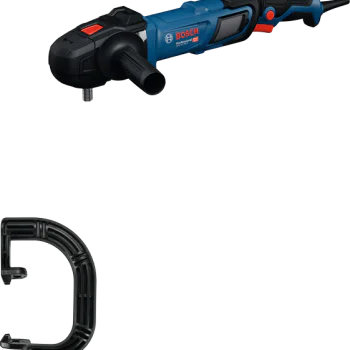
At Toolsbox.bg, you'll find polishing machines for a variety of tasks-from compact solutions for detailed work to more powerful machines for intensive professional use. The differences between models relate to power, drive type, speed range, disc diameter, chuck size, weight, speed control, and compatibility with pads, sponges, wool pads, and polishing compounds.
Applications of Polishing Machines
Polishing machines are used in automotive detailing, painting, maintenance, restoration of metal parts, post-sanding finishing, and surface preparation prior to protective coating. In the automotive industry, they are used for paint correction, hologram removal, headlight restoration, and processing parts of various shapes. In metalworking, they help achieve a smooth and uniform surface on stainless steel, aluminum, and non-ferrous metals.
In woodworking, polishers are used for finishing varnished or oiled surfaces, furniture, countertops, and decorative elements. For stone and composite materials, models with good speed control and properly selected accessories are preferred. For delicate surfaces, a smooth start and precise speed adjustment reduce the risk of overheating, streaks, and uneven marks.
Types of machines based on movement and operating method
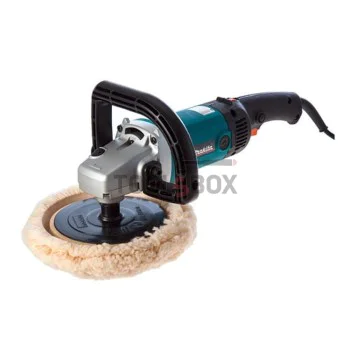
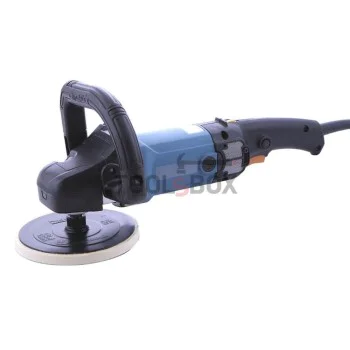
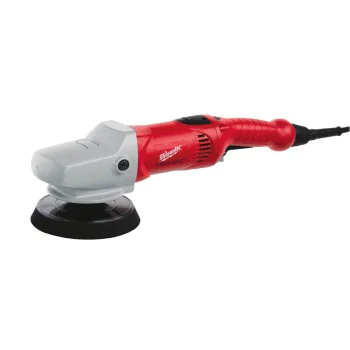
Different movement mechanisms directly affect processing speed, control, and the final finish. Rotary models operate with a circular motion and are preferred for more extensive correction, while eccentric polishers combine rotation and orbital motion, which facilitates uniform processing of lacquer coatings. Angle polishers are convenient for larger surfaces and parts where a stable grip and sufficient power are required.
| Machine type | Nature of work | Typical use |
|---|---|---|
| Rotary polisher | Strong circular action and rapid removal of marks | Correction of paint, metal parts, harder coatings |
| Eccentric polisher | Smoother motion with lower risk of holograms | Automotive finish, delicate surfaces, finishing |
| Compact polisher | Maneuverability and control in small areas | Headlights, tight areas, edges, trim |
How to choose the right polishing machine
When choosing a machine, pay attention to the power, speed, and diameter of the working disc. Higher power is useful for continuous operation and working with harder materials, while a wide speed range provides better control during rough polishing, intermediate processing, and final gloss. For automotive paint, smooth speed control is valued because different polishes and pads require different speeds.
The diameter of the pads affects performance and access to hard-to-reach areas. Larger discs cover an area more quickly, while smaller ones allow for more precise work around edges, curves, handles, and decorative lines. The weight, body shape, and handle are important for extended use. An ergonomic grip reduces fatigue and helps maintain even pressure on the surface.
Power Supply, Power, and Speed Control
Corded polishers are preferred for use in service centers and workshops where consistent power is needed for extended periods. Cordless models offer freedom of movement when detailing cars, working away from a fixed workstation, or making quick adjustments. With a cordless machine, checking the voltage, battery capacity, and compatible chargers is part of making the right choice.
Speed control is important when working with different polishes, pads, and materials. Low speeds are used for applying polish and on sensitive finishes; medium speeds are suitable for standard polishing; and higher speeds are used on harder surfaces and with certain consumables. The soft start helps ensure a clean start to the process and minimizes paste splatter.
Accessories and Consumables for Polishing Machines
The final finish depends not only on the machine but also on the right pad, sponge, wool pad, or microfiber disc. Soft sponges are used for a final gloss, medium pads are suitable for standard correction, and the harder and wool variants work on more serious marks and oxidized areas. The diameter and mount of the accessory must match the machine's base.
Polishing compounds vary in abrasiveness and purpose. Coarse compounds remove more visible defects, medium-grit compounds level the surface, and finishing compounds add shine. When working on paint, metal, or stone, follow the product instructions and monitor the surface temperature. A clean sponge, the correct amount of polish, and even pressure protect the workpiece and improve the final finish.
Safety and Maintenance
When working with polishing machines, wear safety goggles, gloves, and appropriate work clothing. Cables, batteries, and pads must be inspected before starting. The surface must be free of dust, sand, and hard particles, as these can cause new scratches. Do not hold the machine in one spot for too long, as friction increases the temperature and can damage the finish.
After use, clean the ventilation openings, the pad, and the sponges used. Store the machine in a dry place, without pressure on the disc or pad. Regular maintenance extends the life of the power tool and ensures its reliable performance for future tasks.
Polishing machines for service, workshop, and home use
Polishing machines are a practical choice for anyone who values a clean finish, controlled processing, and well-maintained surfaces. For professional use, power, stability, and compatibility with various consumables are sought after, while for home use, compact models with easy operation and adjustable speeds are often sufficient. Choose a machine based on the material, the area to be processed, the frequency of use, and the available accessories.
Browse the offerings at Toolsbox.bg and select a polishing machine, pads, polishes, and additional accessories suited to the specific task-from refreshing automotive paint to finishing metal, wood, or stone surfaces.