
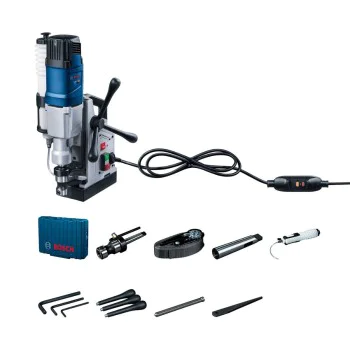
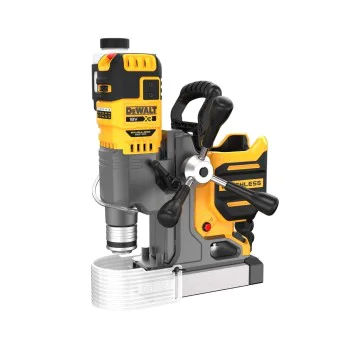
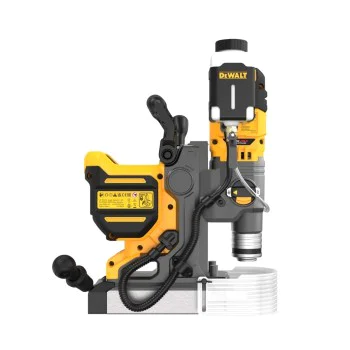
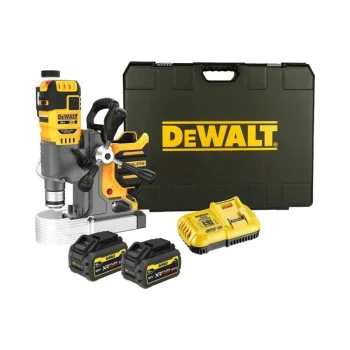
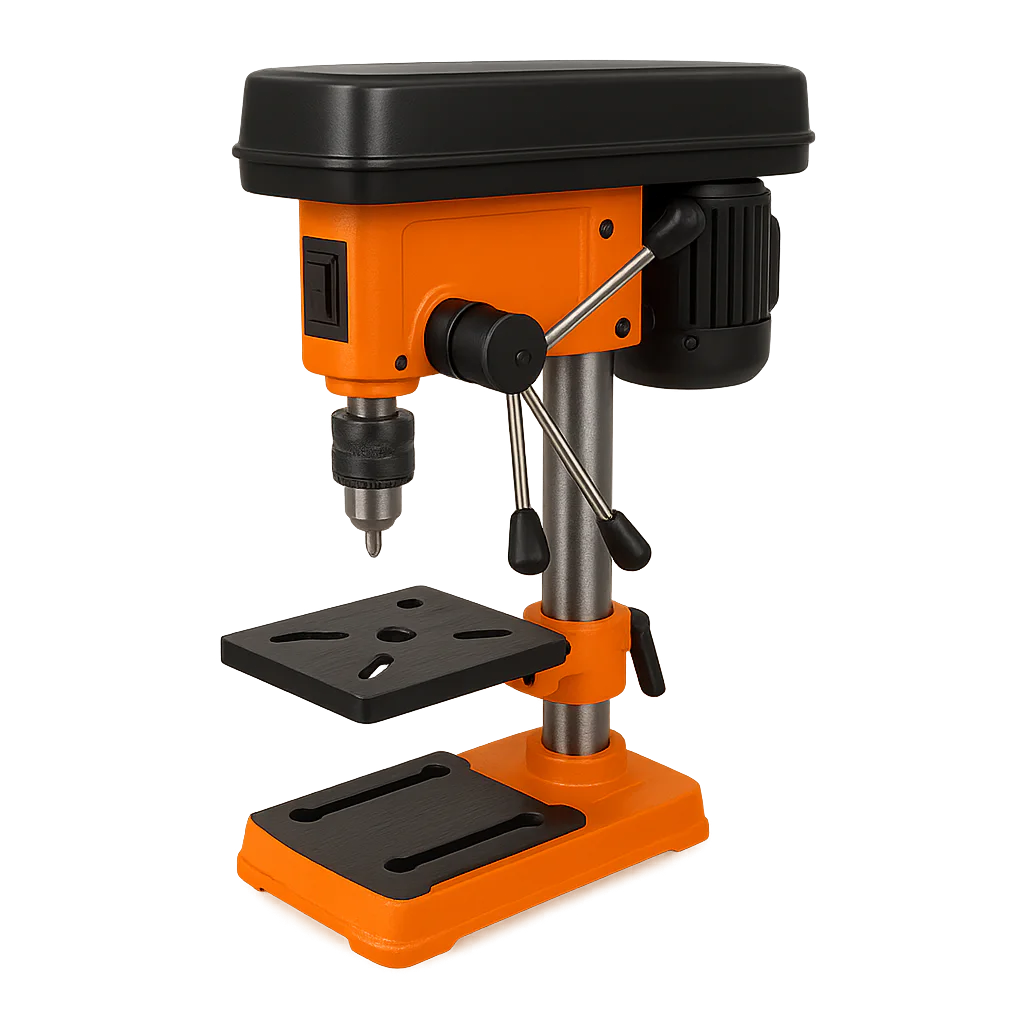
Bench drills
Bench Drill
Power and Precision for Every Project
The bench drill is a key tool known for its versatility and power, designed for precise work in both industrial settings and home workshops. Thanks to its ability to work with various materials such as wood, metal, and plastic, this tool is popular among both professionals and hobbyists.
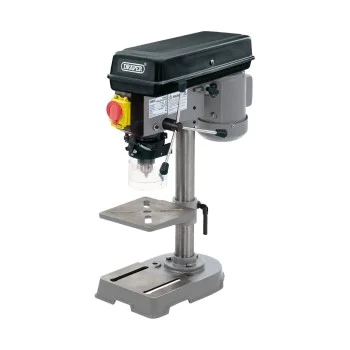
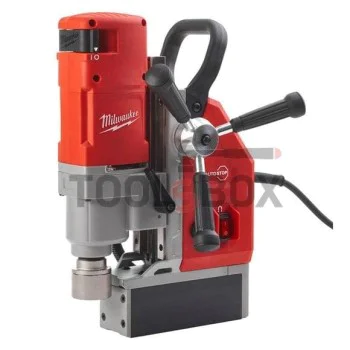
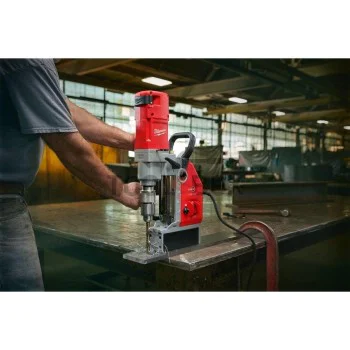
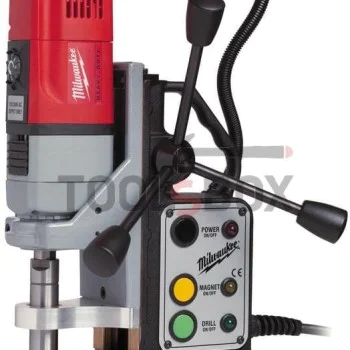
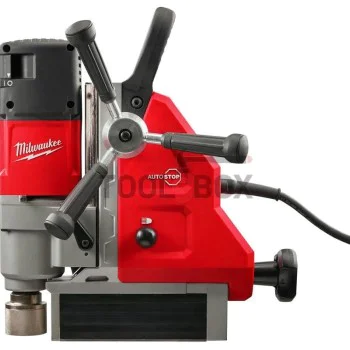
It is a stationary tool mounted on a workbench, which provides stability and the ability to drill precise holes of various diameters and depths. This makes it ideal for tasks requiring exceptional precision and symmetry, something that is often difficult to achieve with hand drills. This machine features a motor, an adjustable workbench, and a drill bit that performs the drilling with the necessary force and speed, ensuring clean and accurate results.
Applications of a bench drill
Bench drills are widely used in various industries and for a variety of tasks. Depending on the type of material and the specifics of the project, this tool is used for:
- Drilling precise holes in metal: They are indispensable when working with metal. They allow the user to drill precise holes, which are extremely important in mechanical work, component assembly, or the fabrication of parts.
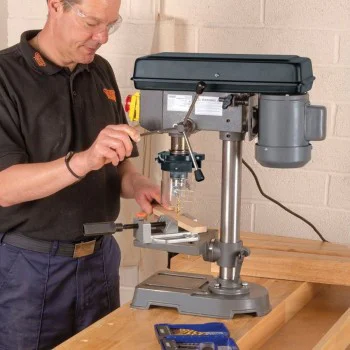
- Woodworking: In woodworking, this tool plays a key role, as it enables the drilling of perfectly symmetrical holes for fasteners such as screws or bolts. It can also be used to create holes of varying diameters and depths, which is particularly useful in furniture making.
- Precision work with plastic: Plastic materials can be difficult to work with using hand tools due to their tendency to split. A bench drill ensures even pressure on the material, which prevents splitting and ensures clean, precise holes.
- Model component fabrication: In the model-making industry, these machines are frequently used to fabricate small components that require precision and delicacy. Models for railways, aviation, or architectural scale models are often crafted using this tool.
Key features and advantages of the bench drill
- Adjustability and precision: One of their key features is their ability to precisely adjust drilling depth and speed. This is particularly useful when working with materials of varying densities or on tasks that require exceptional accuracy.
- Power and performance: These drills are equipped with powerful motors that ensure consistent and stable operation, even when working with hard materials like metal. Their power is one of the main reasons they are preferred for professional use.
- Stability: Unlike hand tools, which often require manual stabilization, a bench drill is securely mounted on a workbench or table. This allows the operator to focus on drilling accuracy without worrying about the machine's stability.
- Multiple functions: Some models offer additional features such as a tilting table for angled drilling, as well as the ability to use various attachments for sanding, polishing, and even cutting. This makes the bench drill a versatile tool for various tasks in the workshop.
Types of bench drills
There are various models of bench drills on the market that meet the needs of professionals and hobbyists alike. They can be divided into several main categories based on their capabilities, size, and intended use.
- Mini: These compact models are ideal for precision work on small parts and delicate materials such as plastic, thin metal sheets, and wood. They are preferred by model makers and hobbyists because they offer high precision when working with small components.
- Professional: These tools are designed for industrial applications and offer higher power, durability, and resilience when working with hard materials. They can drill through thick metal sheets and even concrete surfaces, making them suitable for heavy-duty industrial use.
- Multifunctional: Some models are designed to perform multiple tasks. By changing the attachments, they can be used not only for drilling but also for sanding, polishing, or even cutting. These tools are extremely practical for users looking for a versatile solution for their workshop.
Industrial Applications of Bench Drills
Across various industries, this type of drill has established itself as a primary tool for manufacturing and assembly. In heavy industry, they play a key role in the production of machine parts, vehicle components, and metal structures. In the automotive industry, precision is particularly important in the creation of high-quality parts, making this tool indispensable.
In small and medium-sized enterprises, they are used in the production of furniture, decorations, and various technical products; thanks to their stability and precision, this tool ensures high quality in the manufacturing process.
How to choose the right bench drill?
When selecting this type of machine, several key aspects must be considered:
- Rotation speed: One of the main criteria when choosing a bench drill is the rotation speed of the drill bit. Different speeds are required for drilling different materials-lower speeds for hard materials like metal and higher speeds for wood or plastic.
- Work surface size: The size of the work surface is also an important factor. If you're working with large workpieces, you'll need a larger surface to ensure stability and comfort while working.
- Motor power: For heavier tasks and working with hard materials, it is recommended to choose a model with a more powerful motor. The motor power will determine what materials you can work with and how quickly operations will be performed.
- Cooling system: During longer operations, especially when drilling metal, the motor can overheat. Therefore, it is important to choose a model with a good cooling system to prevent overheating and extend the machine's lifespan.
Maintenance and Care for the Bench Drill
To ensure long-lasting and trouble-free operation of the bench drill, it is important to follow some basic maintenance rules. Regularly cleaning the machine of dust and debris will prevent the buildup of dirt that can affect its performance. Also, lubricating the moving parts will prevent wear and ensure smooth and trouble-free operation.
Check the condition of the drill bits regularly and replace worn ones to ensure precise and safe drilling. If you frequently work with metal, use coolants to prevent the drill bits from overheating and to extend their lifespan.
Investing in a High-Quality Bench Drill
When it comes to purchasing, price often plays an important role. However, it's worth keeping in mind that investing in a more expensive but high-quality model will ensure durability and fewer maintenance issues. Cheaper models may offer limited features and lower power, which can slow down work or result in lower-quality results. In the long run, a high-quality drill will save you time and effort, and also provide greater efficiency when working on various projects.
Bench Drill with Digital Control
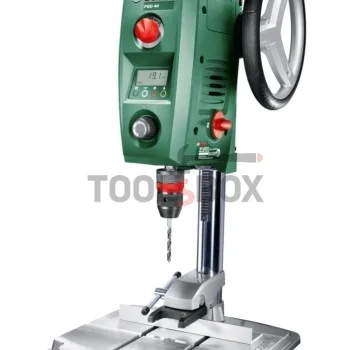
With advances in technology, modern tools are equipped with digital control panels. These models allow for precise adjustment of drilling speed and depth using sensors and displays. This is particularly useful for tasks that require exceptional precision and repeatability, such as drilling multiple holes with identical parameters. Digital control panels also allow for easy saving of settings, which is convenient for users who regularly perform similar tasks.
Environmental Considerations
With the growing focus on environmental aspects in the industry, many manufacturers are beginning to offer bench drills that use energy-efficient motors. These consume less electricity, which is not only more environmentally friendly but also reduces electricity costs over the long term. Furthermore, these models are often designed to require less maintenance, leading to reduced resource consumption and an extended tool life.
Spare Parts and Maintenance
When choosing this type of drill, it is important to consider the availability of spare parts and the option for maintenance. In the long run, quality maintenance of the tool will ensure its continued operation and efficiency. Models offered by established manufacturers often come with service support and warranties, which significantly simplifies keeping the machine in good condition.
Replacing drill bits, bearings, and other moving parts is something that should be done regularly to prevent more serious issues with the tool. For this reason, it is important to have spare parts that are readily available on the market.
Safety Tips for Working with a Bench Drill
Safety when working with this type of drill is of the utmost importance. Although these tools offer stability and control, there are several basic rules that must be followed. First, always wear safety goggles, as small particles of material can fly off during drilling. Gloves are also useful for protecting your hands from injury.
Second, make sure the material you are drilling is securely clamped to the table to prevent sudden movement or shifting during drilling. If the material slips, this can lead to serious accidents.
Finally, always check that the drill bit is securely fastened in the chuck before starting work. An improperly secured drill bit can come loose and cause damage to both the machine and the operator.
Significant progress is anticipated in the development of bench drills, driven by growing demand for more precise and efficient solutions. The industry is continuously introducing innovations that include automated drilling systems and advanced ergonomic designs. With the integration of smart technologies, these machines will allow users to program tasks, monitor processes, and optimize production efficiency.
With the increased focus on automation, these machines will play an increasingly important role in "smart" workshops, where software control and automation will ensure better productivity and enhanced precision. It is also important to note that drill presses will continue to offer key features such as power and stability, making them indispensable for a wide range of tasks in the manufacturing process.
Choosing the right tool, tailored to the specific requirements of a given project, is crucial for achieving maximum efficiency and long-term results.