
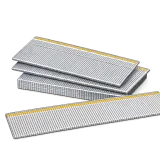
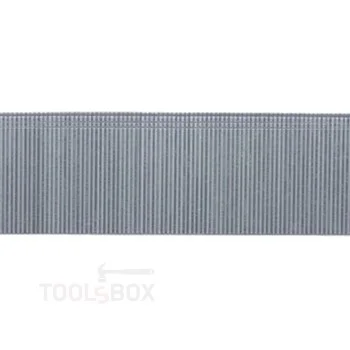
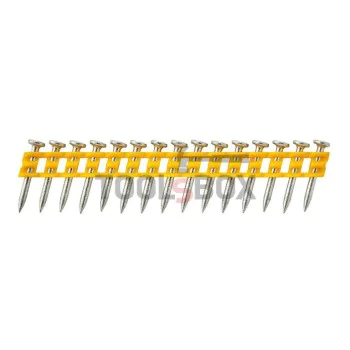
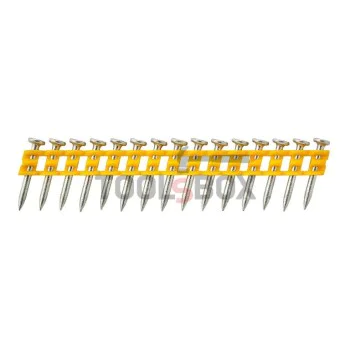
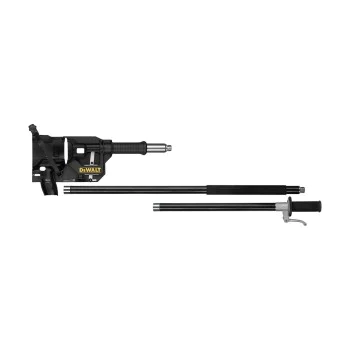
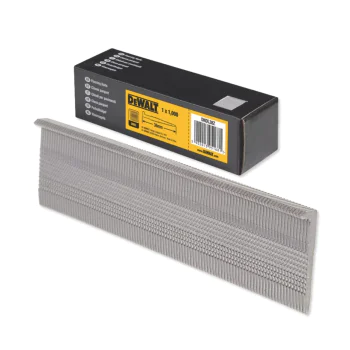
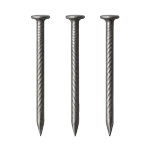
Nails
Nails for construction, repair, and installation
Nails are used for quickly and securely joining wooden elements, fastening boards, battens, formwork, cladding, packaging, and a variety of auxiliary components in construction, carpentry, and repair work. They are among the most commonly used fasteners in the workshop, on the job site, and at home because they allow for mechanical fastening without complex preparation. At Toolsbox.bg, you can select nails based on length, diameter, head shape, shank type, coating, and intended use, so that the fastener matches the material and load.
When choosing nails, it is not enough to look only at the size. The type of wood, the thickness of the parts being joined, whether the connection will be temporary or permanent, the work environment, and the method of driving are all important factors. For rough construction, formwork, and scaffolding, a secure hold and good load-bearing capacity are required, while for finishing work, finer nails with smaller heads are preferred, as they leave a discreet mark.
What the selection of nails includes
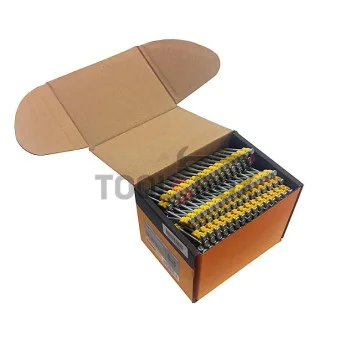
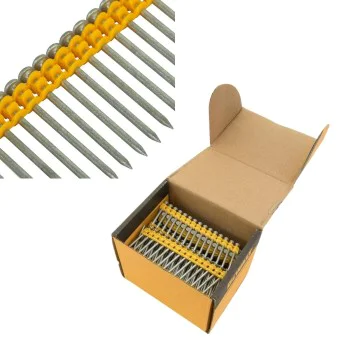
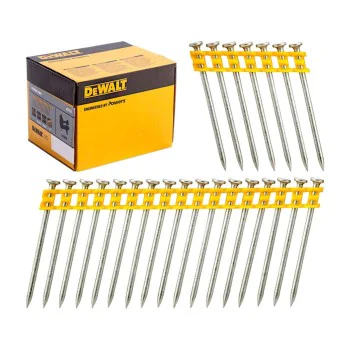
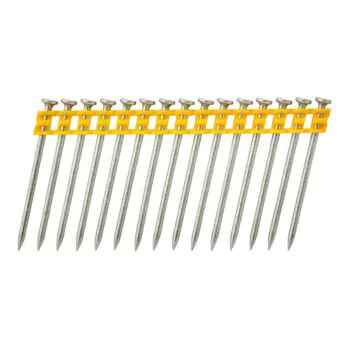
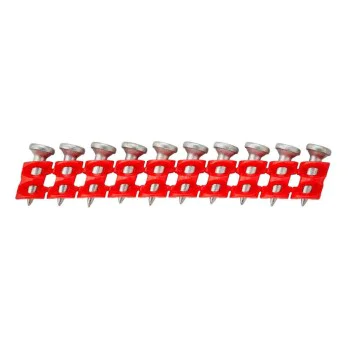
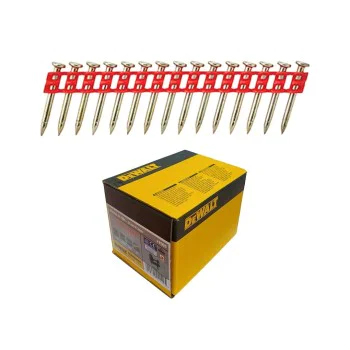
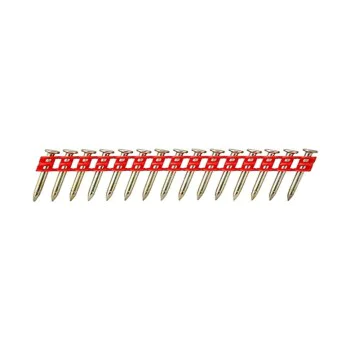
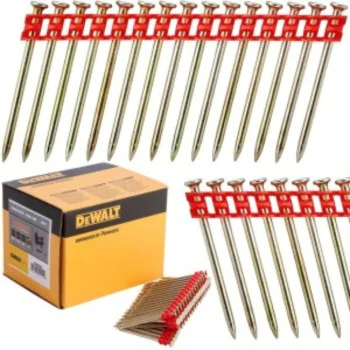
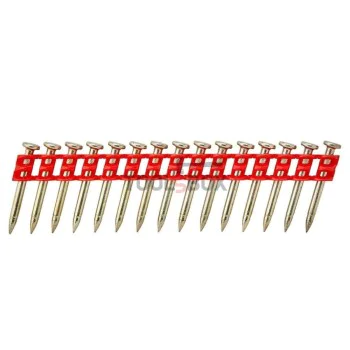
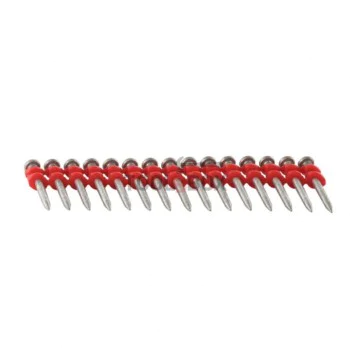
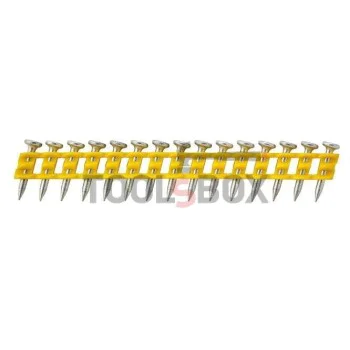
The range includes fasteners for manual hammering, products for woodworking joints, nails for battens and boards, fine nails for cladding, models with larger heads for better clamping, galvanized options for use in damp conditions, and special profiles for stronger retention in the material. Some items are designed for temporary installations, while others are intended for permanent fastenings in wooden structures, pallets, crates, roofing elements, and auxiliary construction systems.
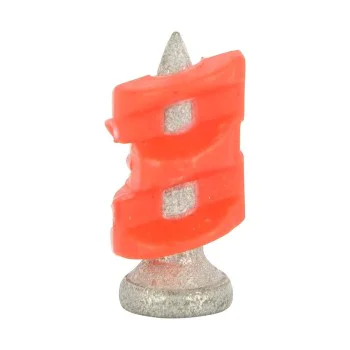
The differences between the various types are most evident in their geometry. The length determines how deep the nail penetrates the substrate, while the diameter affects bending resistance and the risk of splitting the wood. The head can be wide, flat, small, or countersunk, depending on the need for clamping or an inconspicuous finish. The shank on smooth nails facilitates driving, while ribbed or spiral variants provide stronger holding power.
Main applications in woodworking and construction
Nails are used for assembling wooden frames, installing boards, making temporary supports, constructing formwork, securing battens, repairing fences, fixing crates and pallets, fastening thin panels, and finishing interior elements. For heavy-duty work, longer and thicker fasteners that can withstand impact loads are preferred. For furniture, paneling, and decorative details, thin nails are more suitable, as they reduce the risk of visible marks and cracking.
For exterior applications, damp areas, sheds, roof support structures, and garden elements, nails with an anti-corrosion coating are preferred. Galvanized fasteners withstand moisture better and extend the life of the joint. For dry indoor environments, standard steel nails are often used when there is no increased requirement for rust protection.
Types of Nails and Practical Guidance
| Type of nails | Applications | Practical criteria |
|---|---|---|
| Construction nails | Rough installation, formwork, wooden scaffolding, temporary structures | Length, diameter, bending strength |
| Carpentry nails | Joinery, casings, frames, repair of wooden elements | Size according to the thickness of the components |
| Fine nails | Wainscoting, moldings, decorative elements, furniture | Small head, thin shank, clean finish |
| Galvanized nails | Outdoor installations, garden structures, damp environments | Corrosion protection and material compatibility |
| Ribbed or spiral nails | Connections with increased retention requirements | Stronger grip in wood |
How to choose the right size
The size of the nail depends on the thickness of the element being fastened and the density of the substrate. When working with two wooden parts, the length of the fastener must ensure sufficient penetration into the second piece without protruding from the back side. With thin slats and cladding, a nail that is too thick increases the risk of splitting, so smaller sizes yield a cleaner result. With solid beams, boards, and formwork elements, a larger diameter and length provide a more stable connection.
With hardwood, it is advisable to use a suitable hammer and controlled strikes, and for very thin pieces, a small-diameter pilot hole can be drilled beforehand. This allows the fastener to enter more precisely and reduces the risk of cracks. With softwood, driving is easier, but the wide head helps to grip the material better.
Material, Coating, and Environmental Resistance
Steel nails are the standard choice for many indoor jobs and in dry conditions. When the joint will be exposed to weather, condensation, or periodic wetting, a galvanized coating is a more practical option. It reduces the risk of corrosion and preserves the joint's appearance for a longer period. For visible wood surfaces, the color of the fastener should also be considered so as not to disrupt the final appearance.
The shape of the head also affects the result. A wide head distributes the pressure over a larger area and is useful for softer materials. A small head is easier to hide in the wood and is suitable for finishing work. If disassembly or temporary installation is required, select sizes and shapes that allow removal with pliers, a pry bar, or an extractor without causing significant damage to the substrate.
Tool compatibility and safe operation
Hand-driven nails are used with hammers of suitable weight and a well-shaped striking surface. For longer fasteners, a heavier hammer reduces the number of strikes, while for fine work, a lighter tool provides better control. If working with a pneumatic, electric, or cordless nail gun, compatibility in terms of length, diameter, head type, and alignment is essential for the machine to function properly.
When installing, safety goggles, gloves, and secure fastening of the workpiece are recommended. Nails with bent shanks or damaged heads should not be driven into load-bearing joints. Storing fasteners in a dry place protects them from rust and facilitates subsequent work. Sorting nails by size saves time during repairs, maintenance, and on-site installation.
Nails for professional and home use
Professional craftsmen value nails for their consistent sizing, sturdy shank, and properly shaped head, as these characteristics affect the speed and accuracy of repetitive work. For home repairs, practical packaging and easy selection based on the specific task-repairing a fence, securing a board, fixing a cabinet, installing trim, or doing small carpentry work-are valuable.
Browse the available options at Toolsbox.bg and choose nails based on the material, work environment, size of the parts, and desired finish. The right fasteners make installation easier, improve the strength of the joint, and help ensure every task is completed cleanly and securely.