
Rotary Laser Levels
Rotary laser levels for precise leveling and alignment
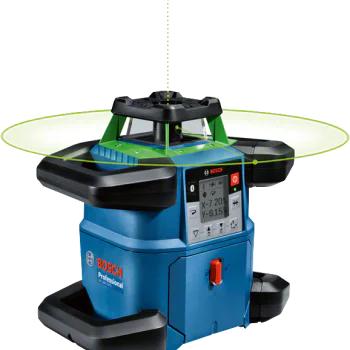
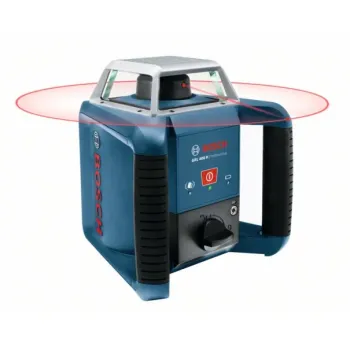
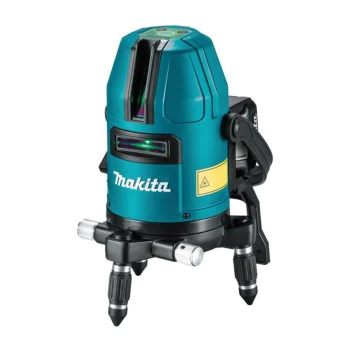
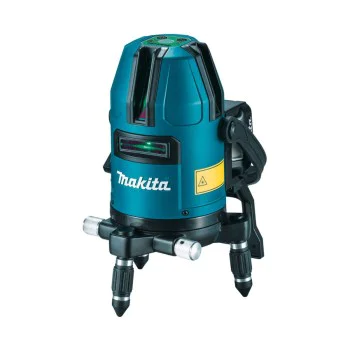
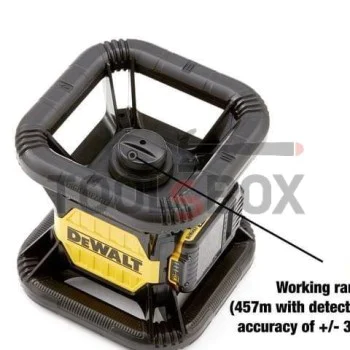
Rotary laser levels are measuring instruments for the precise transfer of horizontal, vertical, and inclined planes in construction, repair, installation, and finishing work. They project a rotating laser beam that forms a plane around the work area and facilitates measuring over long distances. Such devices are valued for outdoor work, in large rooms, warehouses, storage facilities, construction sites, and other locations where a standard linear laser level does not cover the required range.
Toolsbox.bg offers models for professional use and for demanding craftsmen who value accuracy, quick setup, and reliable results. Rotary laser levels are used for leveling floors, installing suspended ceilings, formwork, masonry, flooring, facade work, drainage, layout, and site preparation. With the right tool, work becomes more organized, and measurements are easier to transfer between different points on the job site.
What Do Rotary Laser Levels Include?
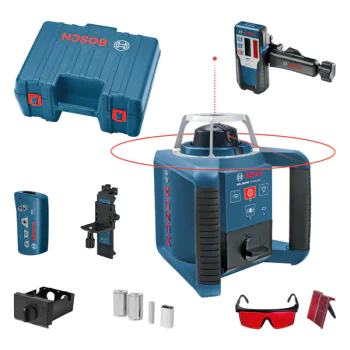
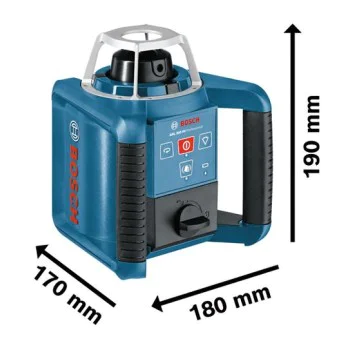
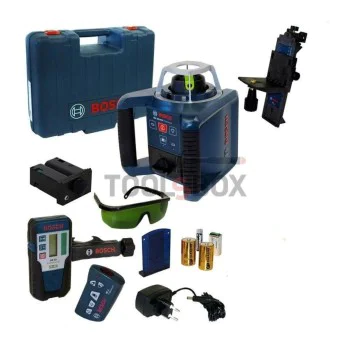
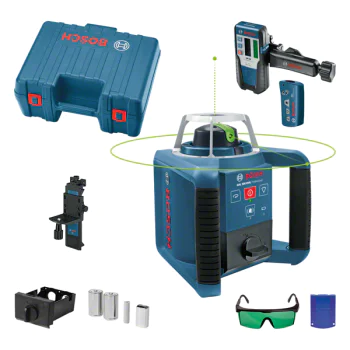
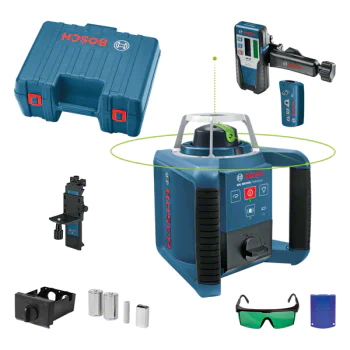
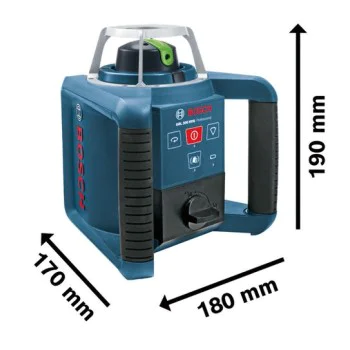
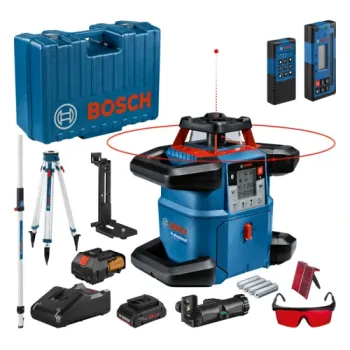
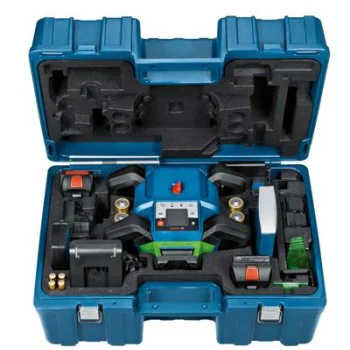
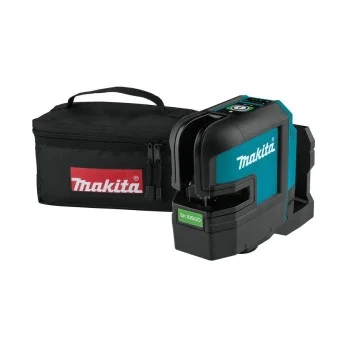
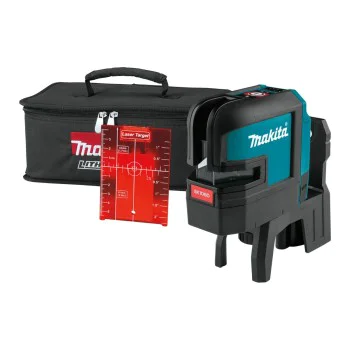
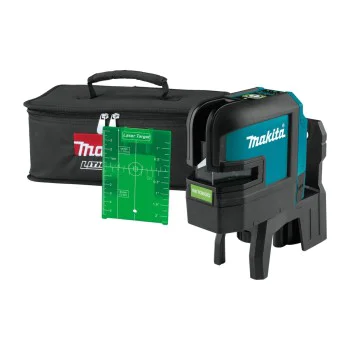
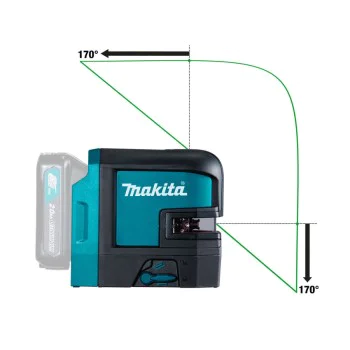
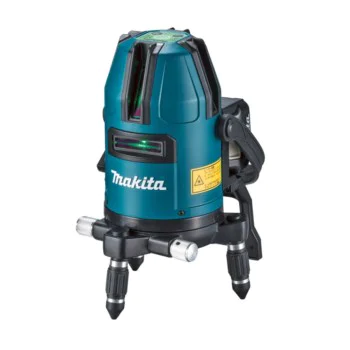
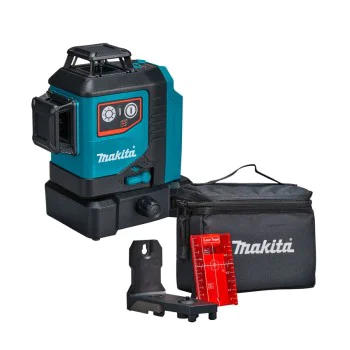
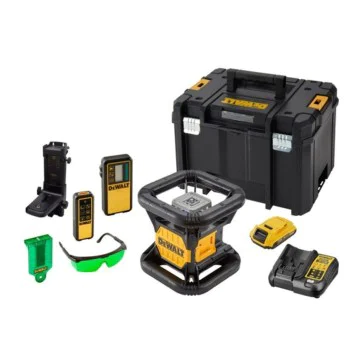
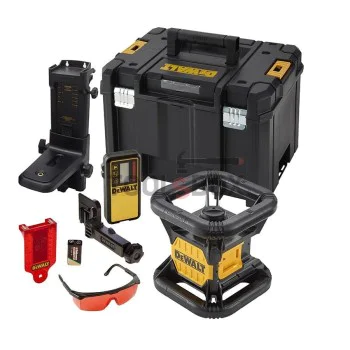
Rotary laser levels typically consist of a laser module with a rotating head, a self-leveling system, a dust- and splash-proof housing, controls, and a power supply. Some models operate on rechargeable batteries, others on alkaline batteries, or a combination of both. Many kits include a laser receiver, remote control, safety goggles, a target, a carrying case, a tripod, or a leveling rod, depending on the specific model's configuration.
The differences between the individual models relate to the working range, beam visibility, accuracy, self-leveling time, ability to operate on slopes, the degree of housing protection, and ease of operation. Some devices are designed for indoor installation tasks, while others are developed for larger construction sites where a laser receiver is required for clear beam detection.
Applications in construction, renovation, and installation
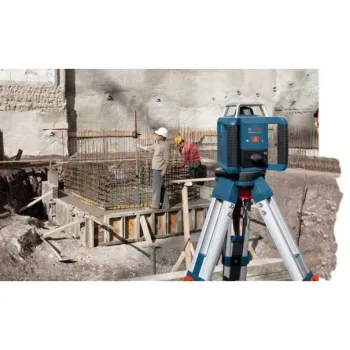
Rotary laser levels are particularly useful for tasks where the same height needs to be transferred to multiple points. When pouring screeds and concrete slabs, the device helps control the level across the entire area. When installing metal structures, drywall profiles, ceilings, and cladding, the laser plane facilitates leveling and reduces the need for constantly moving hand tools.
For outdoor work, the rotating level assists with marking out foundations, terracing, constructing retaining structures, laying sewer and drainage lines, leveling sites, and checking for elevation changes. For such tasks, the laser receiver is particularly valuable because sunlight often makes it difficult to visually track the line.
| Work Task | Useful features |
|---|---|
| Screeds, floors, and paving | Good accuracy, stable horizontal plane, convenient use with a level |
| Suspended ceilings and interior installation | Clear beam, easy positioning, compatibility with a tripod |
| Exterior construction and layout | Large working range, receiver, rugged housing, battery-powered |
| Slopes and drainage lines | Slope function, stable locking of the set plane |
Selecting a tool based on the work environment
When selecting rotary laser levels, first consider where the work will most frequently take place-indoors, outdoors, or a combination of both. For indoor renovations, beam visibility, easy setup, and convenient mounting are of great importance. For construction sites, the working radius with a receiver, a durable housing, protection against dust and moisture, stable operation under temperature fluctuations, and a reliable power supply are more important.
Accuracy is verified based on the manufacturer's specifications and must match the tasks at hand-finishing work requires fine adjustment, while rough site leveling allows for a wider range of tolerances. The working range is also selected based on the site's area. For small rooms, an excessively large radius is not critical, whereas for construction sites, warehouses, and outdoor layouts, it is directly related to the team's convenience.
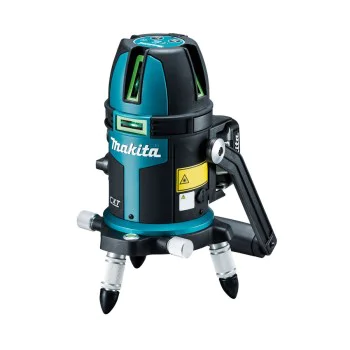
Red or green laser beam
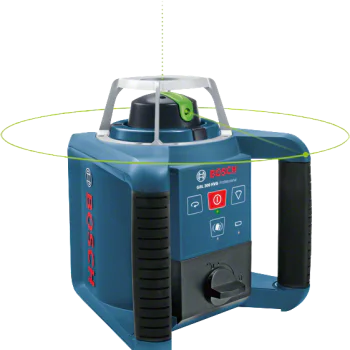
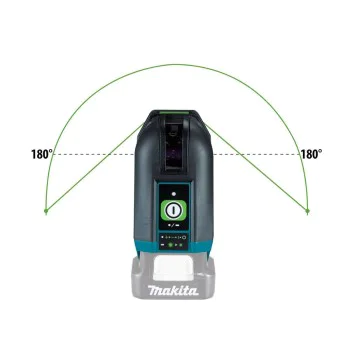
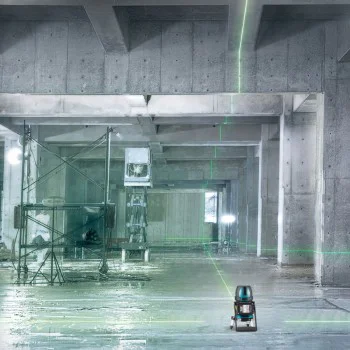
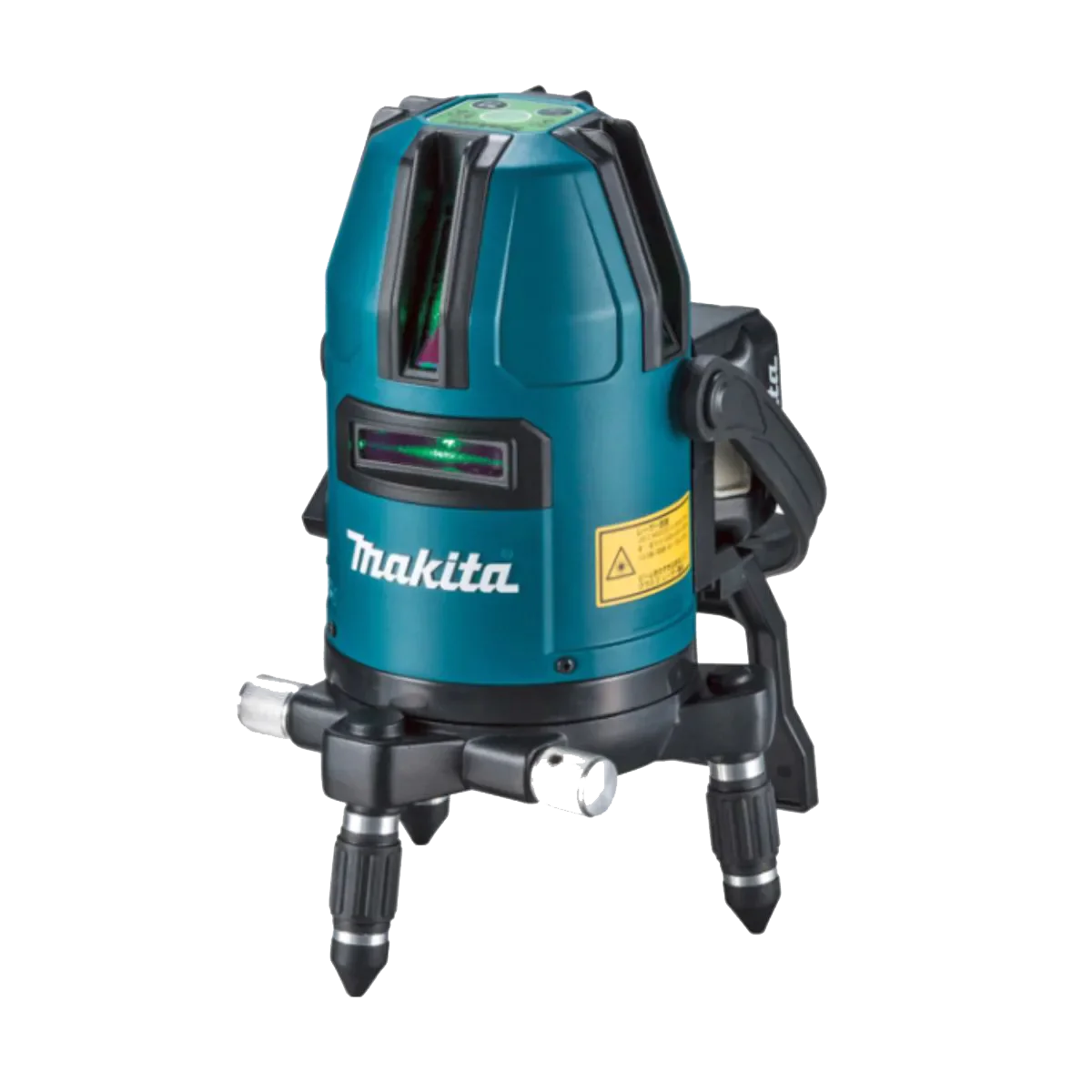
Devices with red and green laser beams are available on the market. Green light is perceived more clearly by the human eye in some indoor applications, while red lasers are often a practical choice for working with a receiver and for standard construction tasks. Visibility depends on lighting conditions, distance, and the surface the beam hits, so a receiver remains a valuable accessory when working outdoors.
Self-leveling, Slope, and Control
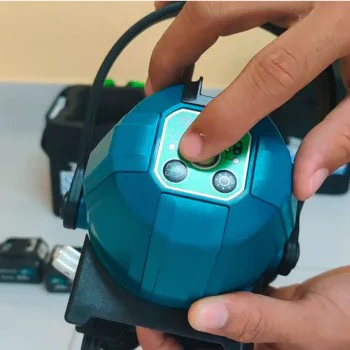
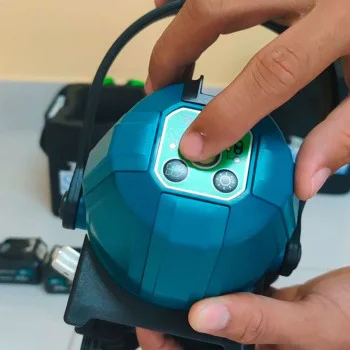
Self-leveling saves time during setup and reduces the risk of misalignment. When the device moves outside the acceptable range, high-quality models signal this to prevent working on an incorrect plane. The slope function is useful for ramps, drainage, pipe routing, and landscaping. Remote control makes setup easier when the machine is positioned at a height or in the center of a larger work area.
Accessories, Compatibility, and Support
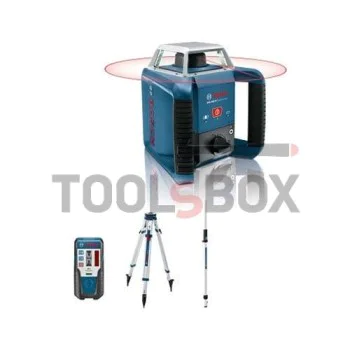
Rotary laser levels work best with the right accessories. The tripod provides a stable base and precise working height. The leveling rod helps measure height differences. The laser receiver extends the device's use outdoors and over long distances. The carrying case protects the device during transport between sites, and the charger and spare batteries are practical for intensive use.
Before purchasing, it is advisable to compare the accessories included in the kit and their compatibility with the planned tasks. For professional use, ease of service, availability of consumables, and the option for additional equipment are essential for uninterrupted operation. Maintenance includes protecting the device from impacts, cleaning the optical elements with appropriate cleaning agents, storing it in a dry case, and periodically checking its accuracy after transport or more intensive use.
Safe and Accurate Operation of Laser Instruments
When working with rotary laser levels, do not direct the beam toward the eyes of operators, colleagues, or passersby. The work area should be set up so that the instrument stands securely on a tripod or level surface. On sites with moving machinery and materials, it is advisable to place the level in a protected location to prevent it from being displaced. Any accidental movement requires a recheck of the level.
For precise results, allow the device to complete the self-leveling process, after which a test reading is taken. When working outdoors, position the receiver carefully on the rod, and record the readings clearly. This ensures the team works from consistent reference points and minimizes post-installation corrections.
Choose a rotary laser level from Toolsbox.bg
Rotary laser levels are a valuable part of the equipment for construction companies, installers, technicians, service teams, and craftsmen who seek precision in leveling and alignment. At Toolsbox.bg, you can compare models based on range, accuracy, features, power source, accessories, and application. Browse the options and choose a tool that suits your work style, the size of the job site, and the necessary accessories.