
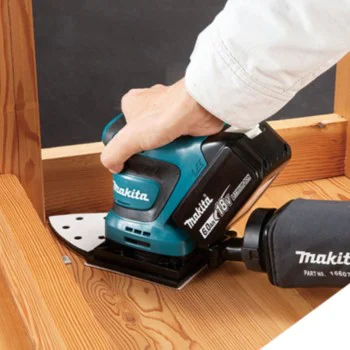
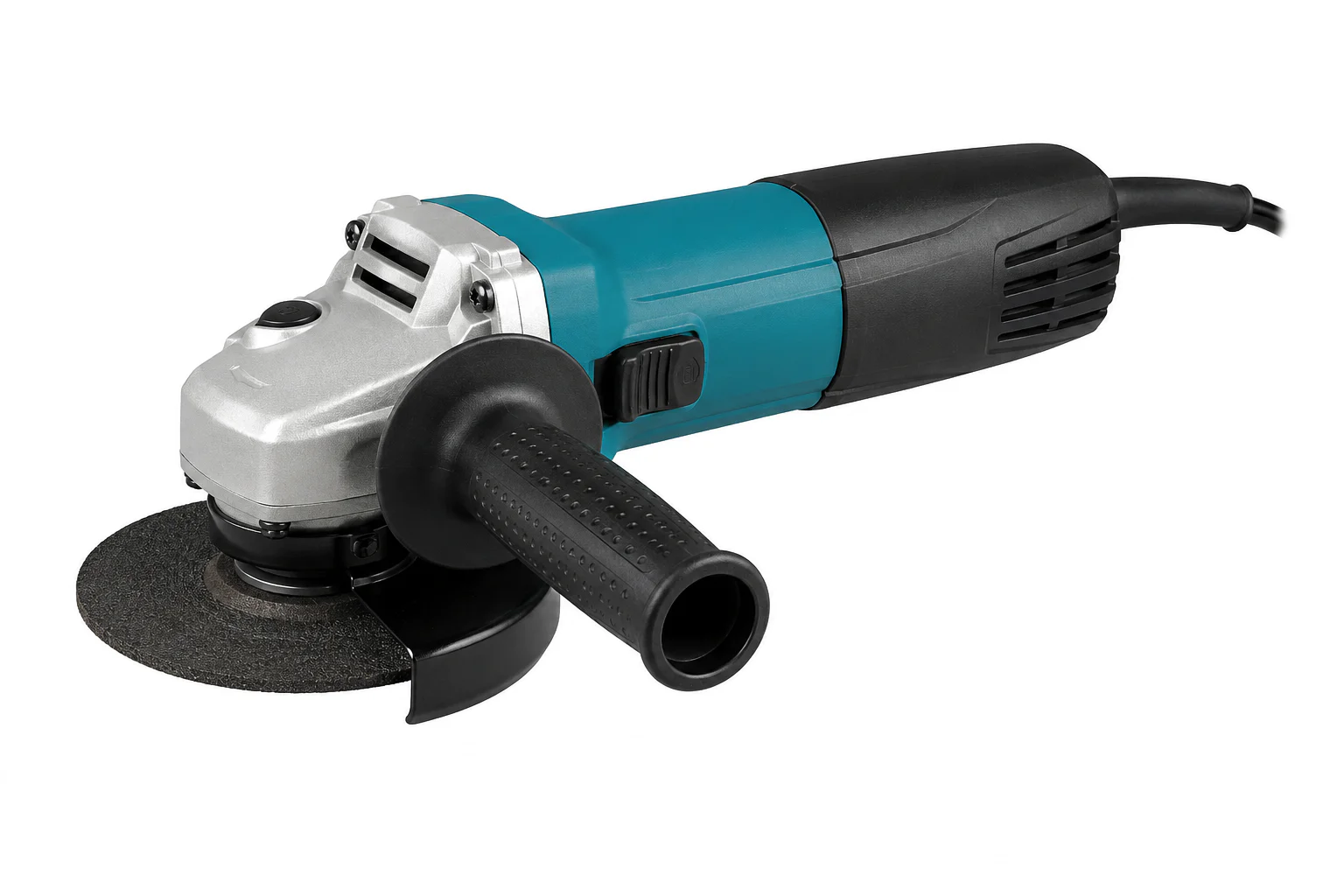
Grinding machine
Sander for working on metal, wood, concrete, and painted surfaces
A sander is a practical power tool for smoothing, removing material, cleaning rust, preparing surfaces for painting, fine finishing, and repair work. It is useful in workshops, service centers, construction sites, and home garages whenever a smooth surface, clean edge, or quick removal of old coatings is needed. With the right disc, belt, sandpaper, or pad, a sander can work on metal profiles, wooden parts, panels, spackle, stone, concrete, and paint layers.
The range includes various machines for rough sanding, fine sanding, and preparation for polishing. Some models are designed for intensive professional use, while others are suitable for home use and periodic maintenance. The differences between them are evident in power, speed, the diameter of the sanding disc, the chuck, weight, the dust collection system, and the ability to adjust the speed.
Main types of grinders and their applications
The right choice starts with the task. To remove more material, a more powerful sander with an aggressive abrasive is needed, while for finishing operations, smooth operation, low vibration, and good control are valued. When working with wood, even pressure and the correct grit size of the sandpaper are important. For metal, consider speed, load capacity, and compatibility with abrasive discs.
| Type | Application | Typical tasks |
|---|---|---|
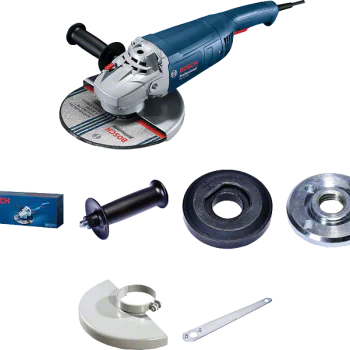
| Angle grinder | Cutting, grinding, cleaning | Metal, stone, concrete, welds, rust |
| Random-orbit sander | Fine and intermediate sanding | Wood, varnish, paint, preparation for polishing |
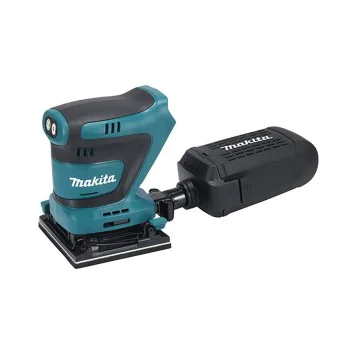
| Orbital sander | Flat surfaces | Surfaces, doors, furniture, putty |
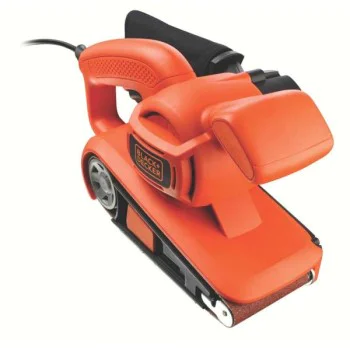
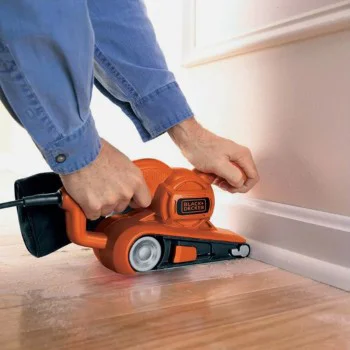
| Belt sander | Fast material removal | Beams, boards, rough leveling |
| Straight sander | Detailed finishing | Tight spaces, holes, dies, burrs |
How to choose a sander for the job
When choosing, first consider the material and the desired level of finish. For metal structures, pipes, and weld seams, an angle grinder with a straight disc provides fast material removal and easy access to edges. For woodworking, an eccentric or orbital sander provides a more even finish and a lower risk of deep scratches. For large wooden surfaces, a belt sander saves time but requires a steady grip and careful guidance.
Power is a key factor for rough work and continuous use. Higher power is helpful for hard materials and larger discs, while compact machines are more convenient for finishing and overhead work. RPM affects removal rate and finish; adjusting it is useful for sensitive surfaces, plastics, varnishes, and pre-polishing operations.
The disc diameter or sanding pad size determines performance and access to hard-to-reach areas. A larger disc covers more surface area, while a smaller one facilitates work around edges, tight spaces, and complex shapes. For cordless sanders, pay attention to the voltage, battery capacity, and compatible battery series. For corded models, the cord, start-up, motor protection, and comfort during extended use are important.
Consumables, accessories, and compatibility
The sanding result depends heavily on the consumables. Abrasive discs, flap discs, sanding sheets, hook-and-loop pads, sanding belts, wire brushes, and polishing pads come in various shapes, grits, and applications. Coarse grit removes material quickly, medium grit prepares the surface, and fine grit leaves a smoother finish. When moving on to polishing, use a softer pad and suitable paste, provided the machine and speed allow for such an operation.
Before purchasing, compare the attachment size, diameter, dust extraction ports, and permissible RPM of the accessory with the selected model. An incorrect combination can lead to poor results, rapid wear, or unsafe operation. For wood and painted surfaces, dust extraction is a major convenience because it maintains visibility and reduces contamination in the work area.
Ergonomics, Safety, and Maintenance
A good sander should sit firmly in the hand and allow for control over the pressure. The rubberized grip, auxiliary handle, soft start, and protective guard make work easier and reduce fatigue. During prolonged sanding, low vibration and good motor cooling are crucial for comfort and the machine's service life.
For safe operation, wear safety goggles, gloves, ear protection, and a dust mask depending on the material. Secure the workpiece firmly, do not apply excessive pressure, and replace worn-out consumables in a timely manner. After use, clean the ventilation openings, check the cord or battery, and store the machine in a dry place. This way, the sander will maintain its performance longer and remain ready for the next task.
Sander for Professional and Home Use
For a service shop, installation team, or woodworking shop, the choice usually falls on more durable models with higher power, a robust gearbox, and broad compatibility with accessories. For home repairs, furniture restoration, cleaning metal parts, or preparing walls, a lighter sander with a comfortable grip and easy-to-change sanding pads may be sufficient.
At Toolsbox.bg, you can compare various machines, consumables, and accessories for sanding, cutting, smoothing, and preparing surfaces for polishing. Choose a sander based on the material, workload, and desired finish to achieve precise results and more comfortable operation in any workshop or renovation project.