

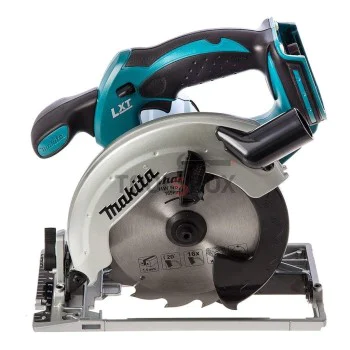
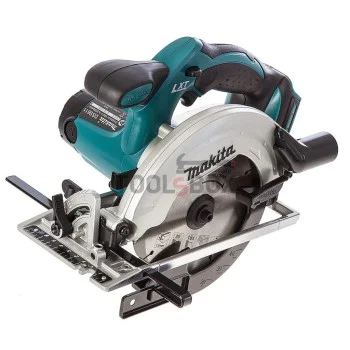

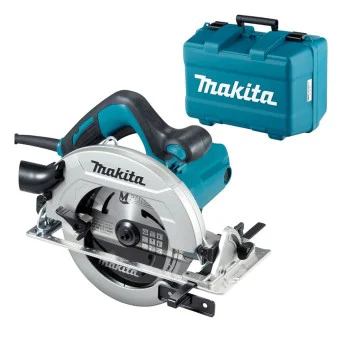
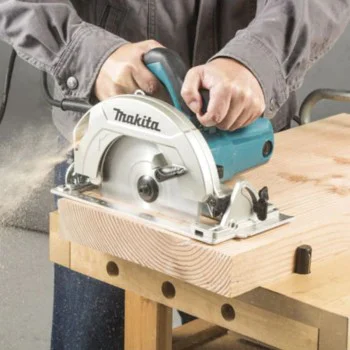
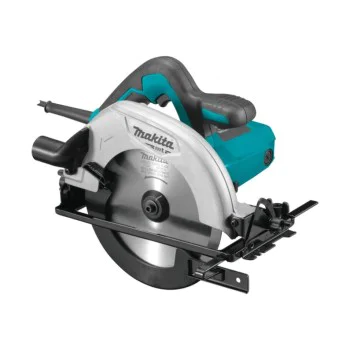
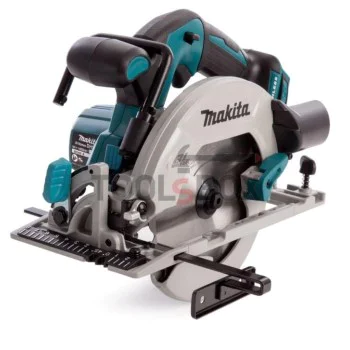
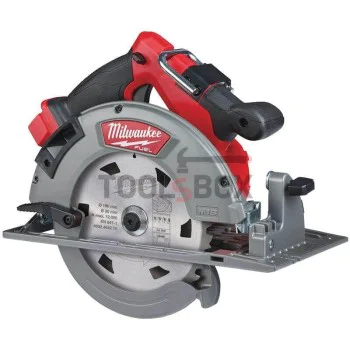
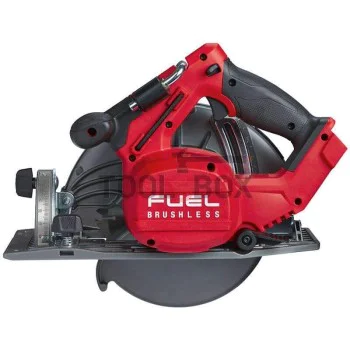
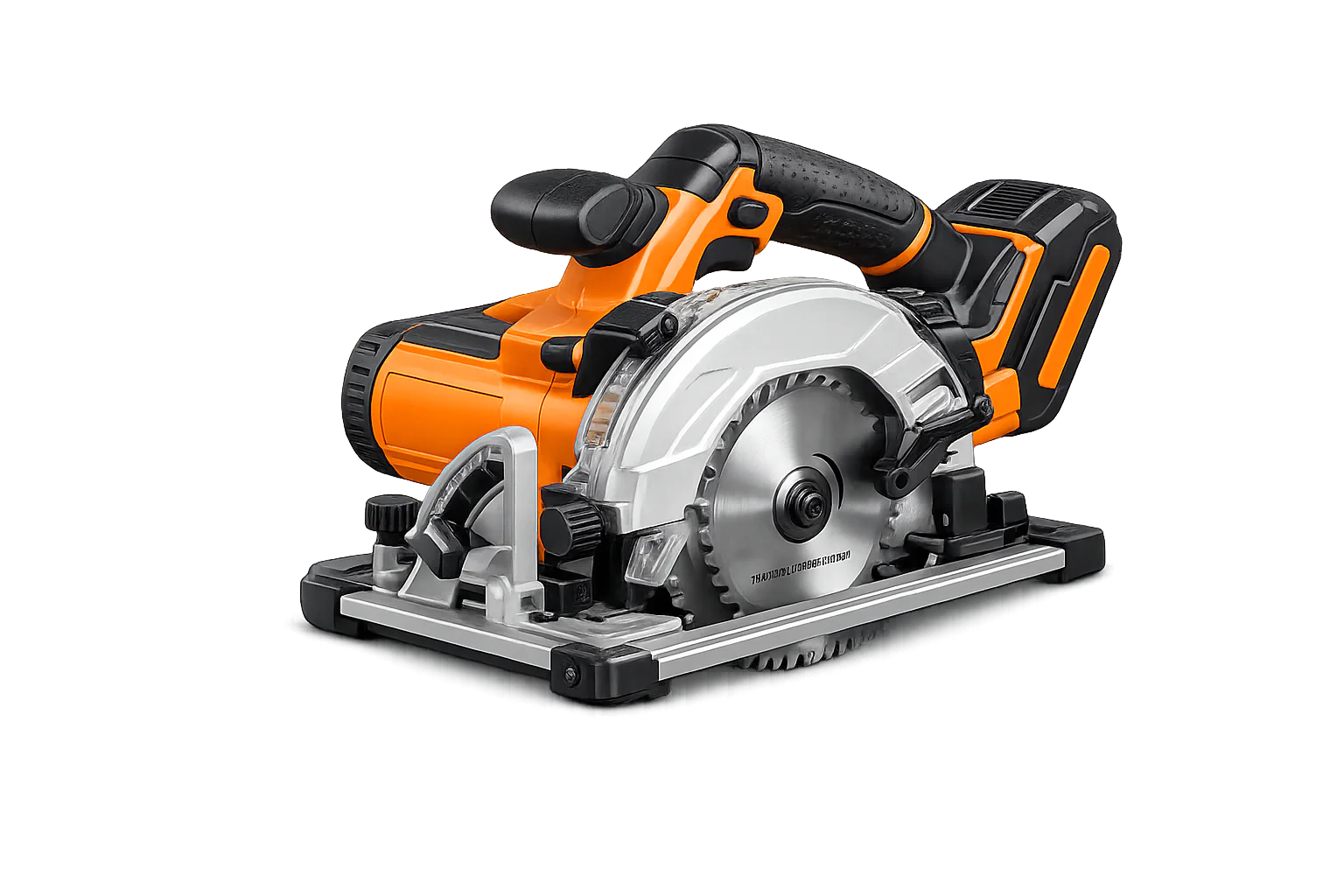
Hand circular saws
Hand-held circular saws for precise, straight cuts and comfortable operation
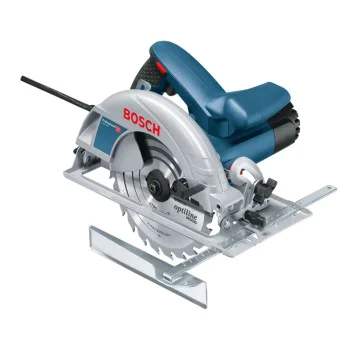
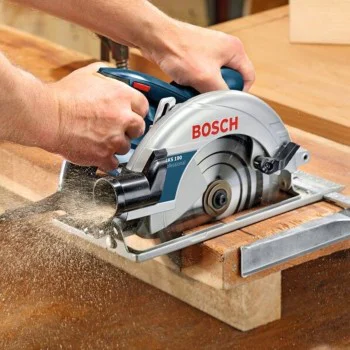
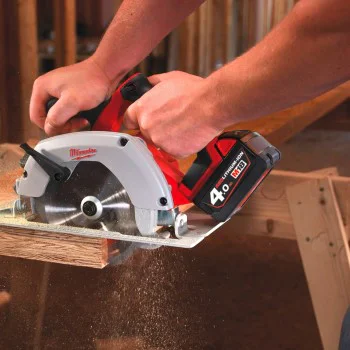
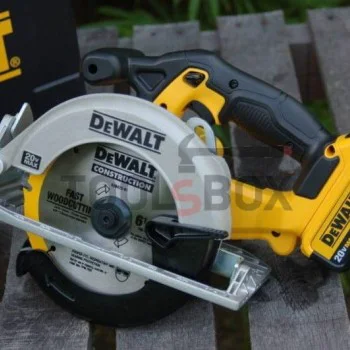
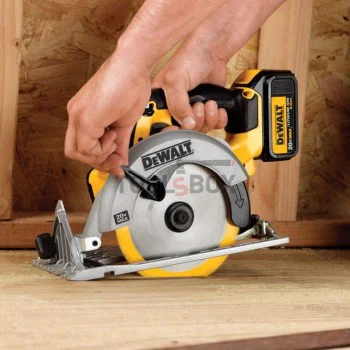
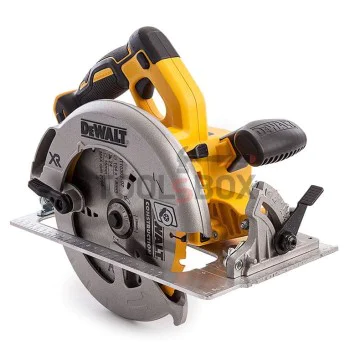
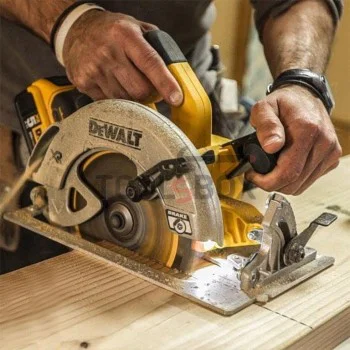
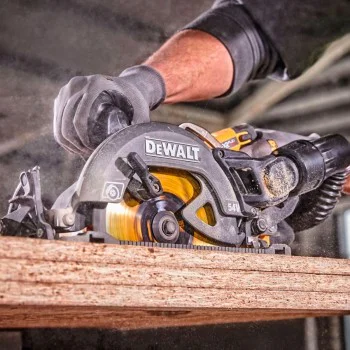
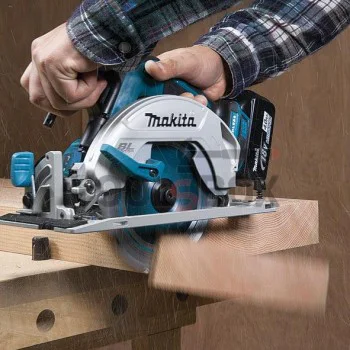
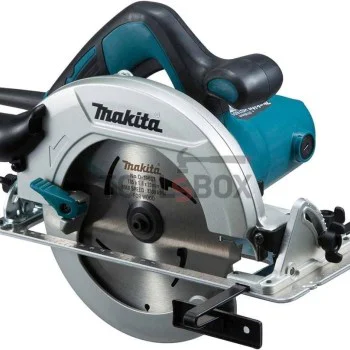
Hand-held circular saws are power tools for cutting wood, panels, and similar building materials with a clean cut and good cutting speed. They are a valuable tool for installation, repair, finishing work, furniture making, roofing, formwork, flooring, and workshop tasks. The compact body, base plate, and adjustable depth make it easy to guide the machine in a straight line without the need for a stationary circular saw.
Hand-held circular saws are sought after by professionals in construction and carpentry, but they are also very practical for home use when cutting OSB, particleboard, MDF, plywood, solid wood, laminate, boards, beams, or drywall. With the right blade, some models can also cut plastic, aluminum profiles, or composite materials, provided the manufacturer permits such use.
Types of hand-held circular saws based on operating mode
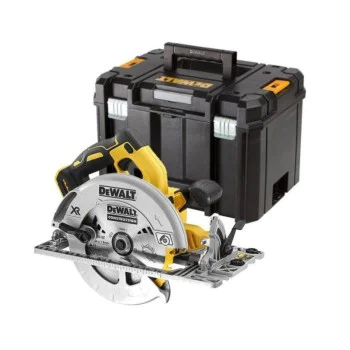
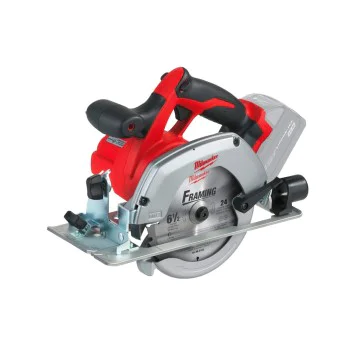
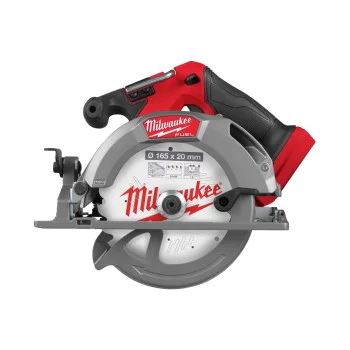
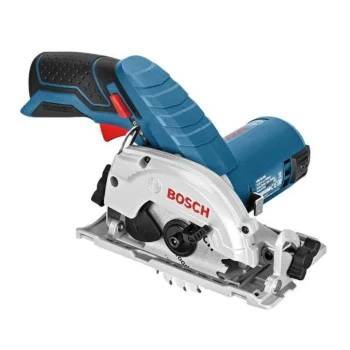
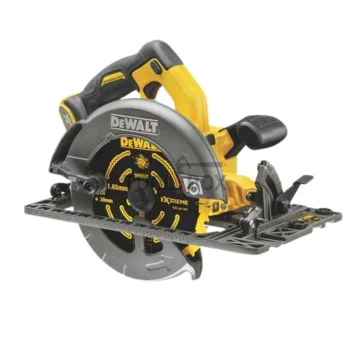
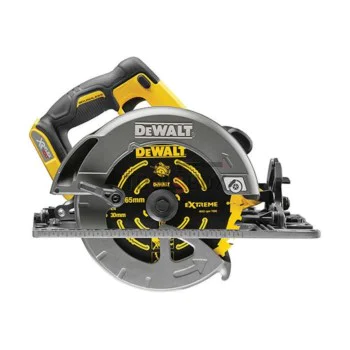
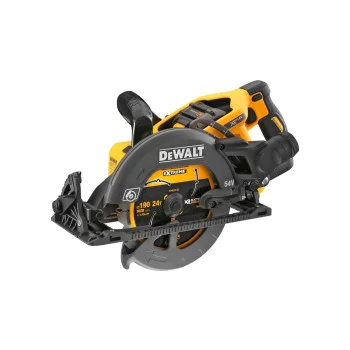
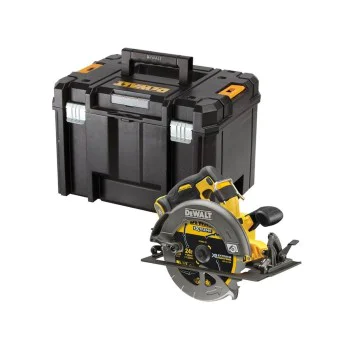
Handheld circular saws differ in power source, power, blade diameter, cutting depth, tilt capability, and compatibility with a guide rail. Corded models connect to the electrical grid and are preferred for extended work on-site or in a workshop setting. Cordless models offer freedom of movement during installations, roofing work, and cutting in areas without convenient power access.
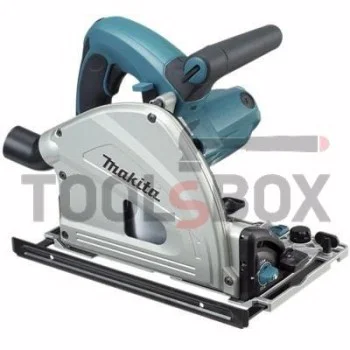
Classic hand-held circular saws are designed for straight rip and cross cuts, while models with soft start, electronic protection, or variable speed control offer better control when working with different materials. Some machines can be connected to a dust collector or construction vacuum, which keeps the work area cleaner and improves visibility of the cutting line.
Applications in construction, installation, and the workshop
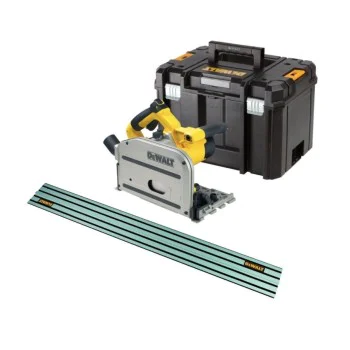
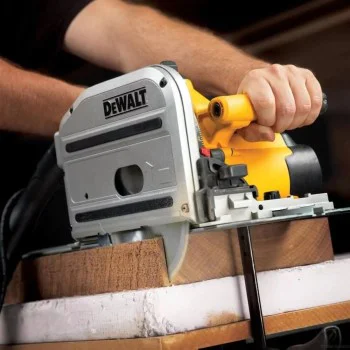
Hand-held circular saws are particularly useful for cutting sheet materials, shortening boards, shaping panels, trimming doors, preparing moldings, and crafting elements for interior design. In construction, they are used for roof trusses, formwork panels, wooden structures, and assembly components. In the workshop, they are convenient for batch cutting of identical-sized parts when using a guide, stop, or rail.
For a cleaner cut on laminated panels, a blade with more teeth and a suitable tooth profile is required. For a quick rough cut in wood, blades with fewer teeth are used, as they remove chips more easily. When working with hardwood, multilayer panels, or coated materials, good machine stability and the correct feed rate are crucial for a clean result.
Selection based on technical parameters
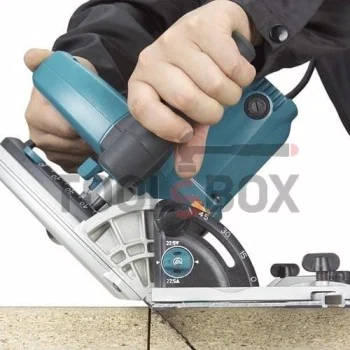
When selecting a circular saw, compare the power, RPM, blade diameter, and maximum cutting depth. More powerful machines handle thick beams and dense materials with ease, while lighter models are convenient for overhead work, installations, and short cuts. The blade diameter directly affects the cutting depth, and the base tilt allows for angled cuts.
| Parameter | Practical Guide |
|---|---|
| Power | Higher power is suitable for thick materials and continuous use. |
| Blade diameter | A larger blade provides a deeper cut but increases the machine's weight. |
| Cutting depth | Depends on the thickness of slabs, boards, beams, and panels. |
| Bevel angle | The adjustable base is useful for chamfers, joints, and assembly details. |
| Power | Mains-powered models are designed for continuous operation, while cordless models are ideal for mobile tasks. |
Blades, accessories, and compatibility
Working with hand-held circular saws depends directly on the choice of circular blade. Check the outer diameter, mounting hole, thickness, number of teeth, rotation direction, and the material for which the blade is intended. An unsuitable blade strains the motor, degrades the cut quality, and increases the risk of kickback.
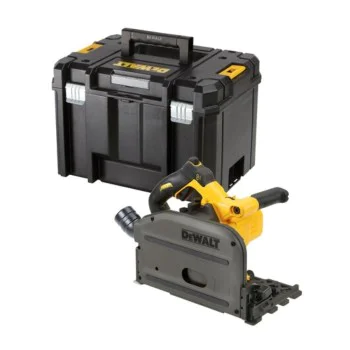
Useful accessories include a rip fence, a guide rail, a dust collector adapter, spare blades, clamps for securing the material, and a carrying case. For cordless circular saws, check the compatibility of the battery and charger with the platform of the respective brand, the battery capacity, and the charging time. For on-site work, a good set of accessories saves time and minimizes interruptions.
Safe operation and maintenance
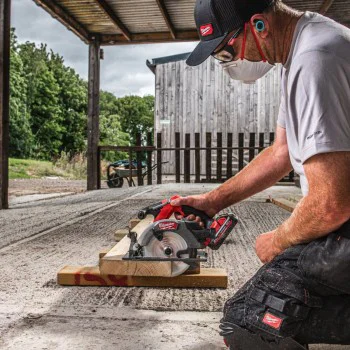
Hand-held circular saws require a securely clamped workpiece, a sturdy blade, a tightened base plate, and free movement of the guard. Wear safety goggles, ear protection, and a dust mask when working with dusty materials. The cord or battery should not interfere with the machine's movement, and the cutting line must be clear of nails, screws, and metal inclusions.
After use, clean the housing, ventilation openings, and the area around the blade. Regular inspection of the brushes on commutator motors, as well as the condition of the base, cable, batteries, and fasteners, extends the machine's service life. If you hear unusual noise, feel vibrations, or notice overheating, stop work until the cause is determined.
Select a circular saw at Toolsbox.bg based on the material, cutting depth, required mobility, and available accessories. This way, you'll choose a machine that fits the actual tasks in your workshop, on the construction site, or at home.