
Painting Machine
Painting machine for the even application of paints, varnishes, and primers
A paint sprayer is a practical tool for quickly and evenly coating walls, ceilings, facades, fences, metal structures, wooden elements, and furniture. It replaces the time-consuming work of using a roller or brush on larger surfaces and provides a more controlled finish for decorative and repair work. In the painting section, these machines are sought after by construction crews, finishing contractors, service providers, workshops, and discerning home users who want a clean finish and better coverage in less time.
Models differ in spray principle, power, operating pressure, flow rate, nozzle type, container capacity, and material feed method. A compact spray paint machine with a reservoir on the gun is convenient for doors, furniture, and small repair jobs, while airless machines with a hose and bucket suction are designed for large areas, facades, and intensive on-site work. The right choice saves material, reduces brush marks, and makes it easier to achieve an even coat.
What does a paint sprayer consist of?
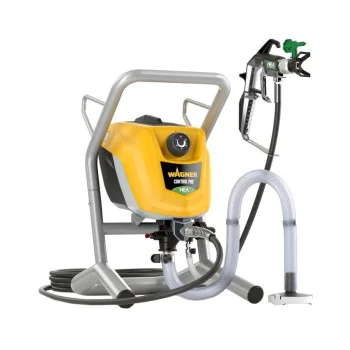
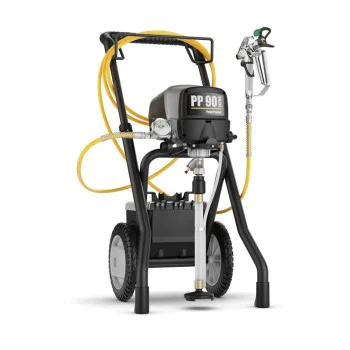
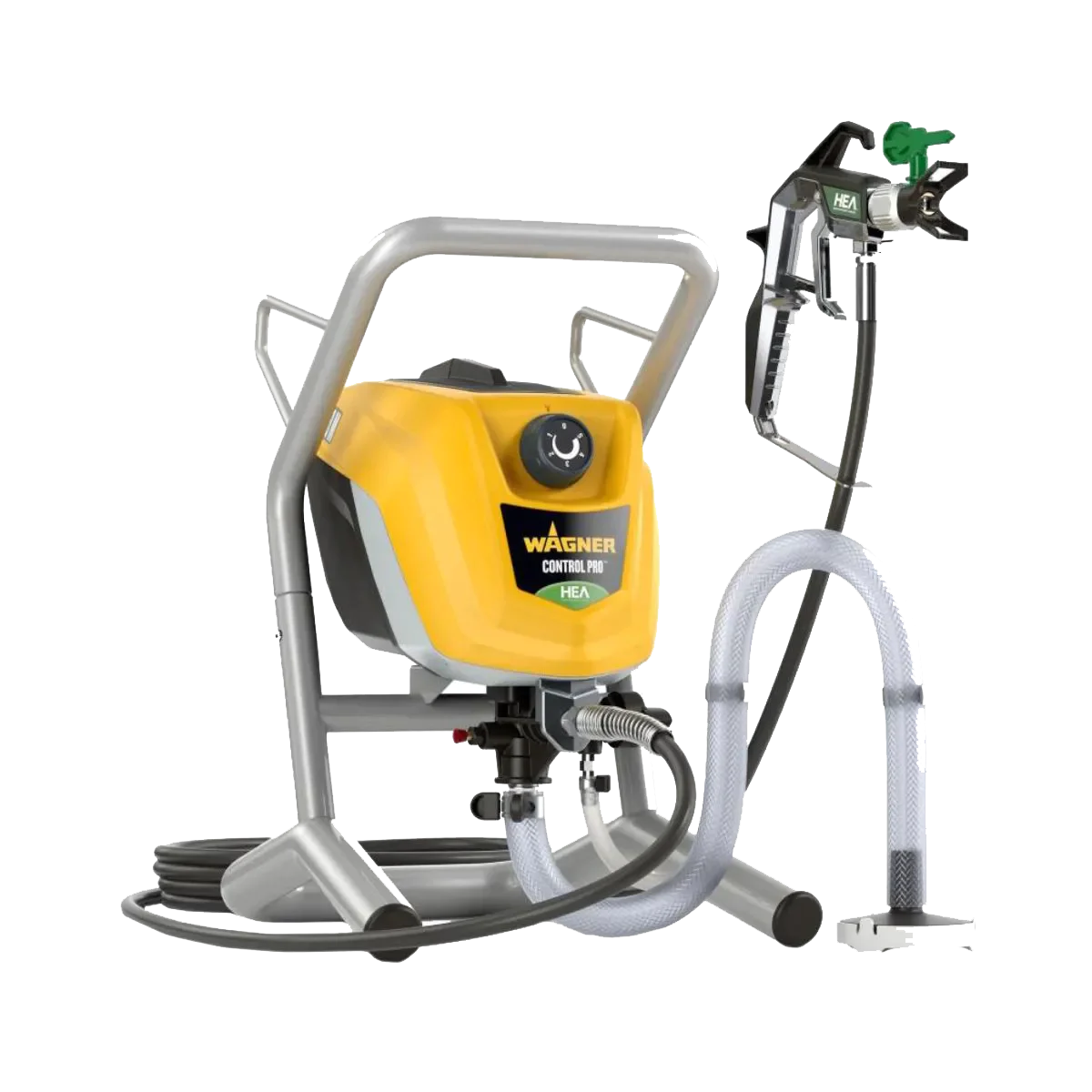
A typical paint sprayer consists of an electric motor, a pump mechanism or turbine, a spray gun, a nozzle, a feed container or hose, filter elements, and spray adjustments. In some models, the paint is poured into a separate reservoir, while in others it is drawn directly from the original bucket. This is convenient when working with latex, primers, and exterior coatings because it reduces material spillage and allows for longer, uninterrupted operation.
The nozzle determines the shape and width of the spray pattern, the amount of paint delivered, and the permissible viscosity. For fine varnishes and stains, smaller orifices and more precise adjustment are required, while wall paints and primers require nozzles with a higher flow rate. Filters protect the system from contamination, and proper cleaning of these filters reduces clogging and uneven spraying.
Main Types of Painting Machines
When choosing a paint sprayer, it is helpful to distinguish between the main types based on the task and expected workload. Different technologies offer varying control over the material, coverage rate, and finish.
| Machine type | Characteristics | Application |
|---|---|---|
| Electric spray gun with container | Compact body, reservoir attached to the spray gun, easy to move between different areas | Furniture, doors, fences, small walls, DIY projects |
| HVLP system | High air volume at lower pressure, better control over spray application | Varnishes, wood stains, stains, decorative coatings |
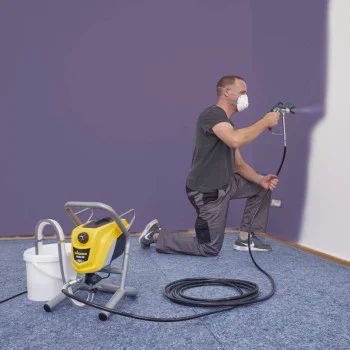
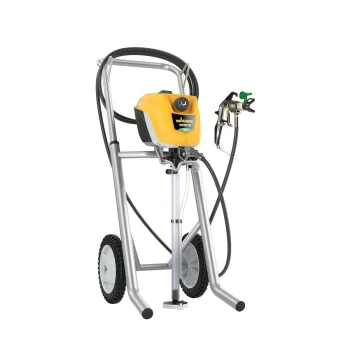
| Airless paint sprayer | High pressure, hose feed, operates directly from a bucket | Walls, ceilings, facades, large areas, professional renovations |
| Mobile painting system | Separate unit, spray gun, and hose, convenient for moving around the job site | Interior and exterior work, series of rooms, construction sites |
Applications in renovation, construction, and workshops
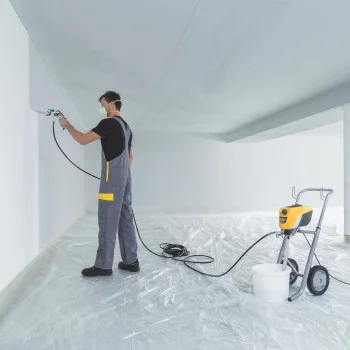
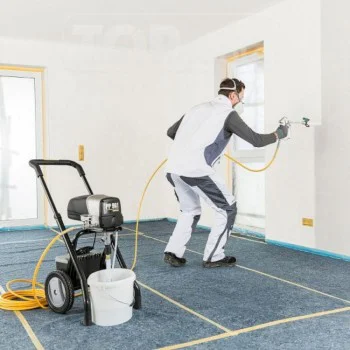
Painting machines are used for interior renovations, finishing work, facade work, painting metal fences, wooden sheds, doors, railings, decorative panels, and garden structures. On large walls and ceilings, machine application reduces coverage time and helps ensure uniform coat thickness. On wood and metal, proper spray adjustment minimizes dripping and buildup along edges.
For professionals working on various sites, the hose length, portability, stability of the unit, and availability of spare nozzles are important. For home use, more compact machines are convenient for seasonal repairs, refreshing rooms, and maintaining yard features. For varnishes, glazes, and wood stains, finer adjustment is needed, while for latex and primers, sufficient power and the right nozzle are required.
Selection based on material, power, and nozzle
Before purchasing, compare machines based on the type of material you will be applying. Latex and exterior paints have a different viscosity than varnishes, primers, wood stains, and wood protective coatings. Some machines work better with thinner materials, while others can handle thicker mixtures after selecting the appropriate nozzle. The specifications for maximum viscosity, pressure, and flow rate help determine whether the model is suitable for the intended application.
- Power and pressure: higher values are needed for large areas and thicker painting materials.
- Flow rate: affects the coverage speed and the amount of material applied per minute.
- Nozzles: Different orifice sizes and spray angles alter the spray pattern width and the thickness of the coating.
- Tank or bucket suction: the tank is convenient for small jobs, while direct feed is practical for larger jobs.
- Hose and cable: a longer length provides freedom when working on ceilings, facades, and rooms with many corners.
- Cleaning: Removable parts and accessible filters make maintenance easy after the job is done.
Compatibility, safety, and maintenance
Compatibility between the machine, the nozzle, and the paint is crucial for an even finish. Paint that is too thick through an unsuitable orifice leads to pulsation, splatter, and clogging, while paint that is too thin causes drips. It is helpful to prepare the surface by cleaning, sanding, or priming, depending on the type of surface. Proper preparation reduces paint consumption and improves the coating's adhesion.
When working with a paint sprayer, wear safety goggles, gloves, a mask, and clothing that protects the skin. When spraying indoors, ensure proper ventilation and protect floors, window frames, electrical outlets, and furniture with plastic sheeting or masking tape. With airless systems, the spray is under high pressure, so do not point the spray gun at people or animals, and release the pressure before changing the nozzle or cleaning.
After finishing work, the machine is rinsed with the liquid specified by the manufacturer according to the type of paint-water for water-soluble materials or the appropriate thinner for solvent-based varnishes and paints. Nozzles, filters, and hoses are cleaned immediately to prevent material from drying in the channels. Regular maintenance extends the life of the pump, maintains a consistent spray pattern, and reduces downtime during future repairs.
Painting machine for professional and home use
A well-chosen paint sprayer combines the necessary performance, spray control, and compatibility with the painting materials you use. For professional work, look for models with higher pressure, a durable hose, interchangeable nozzles, and the ability to operate from a bucket. For home renovations, compact systems with easy cleaning and a convenient reservoir are a practical choice for refreshing rooms, furniture, and outdoor elements.
At Toolsbox.bg, you can select a paint sprayer based on the area, material, required mobility, and preferred application method. Compare specifications, compatible accessories, and consumables to equip your work with equipment that meets your specific painting needs.