
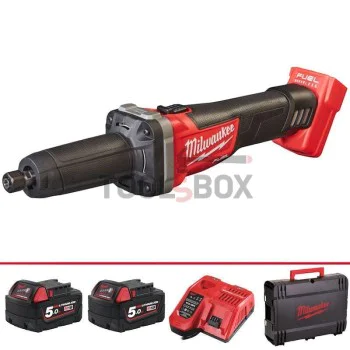
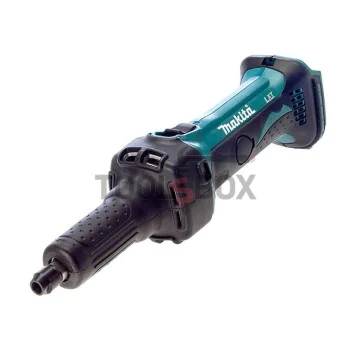
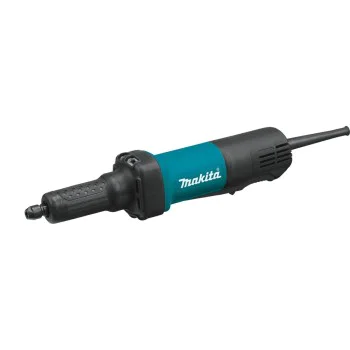
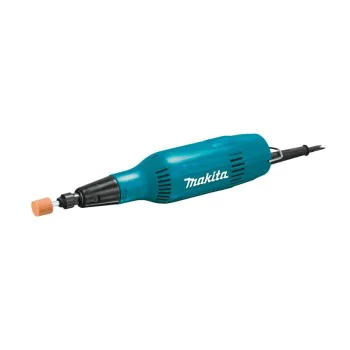
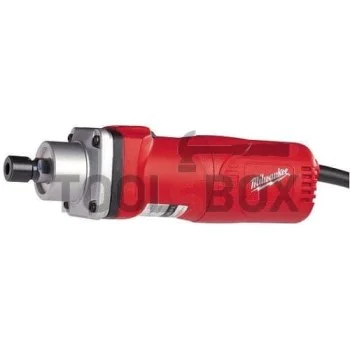
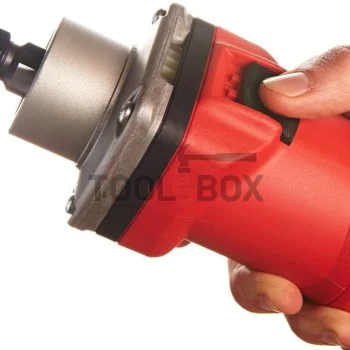
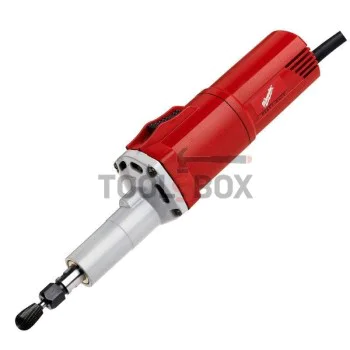
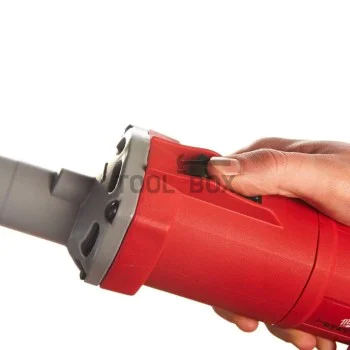
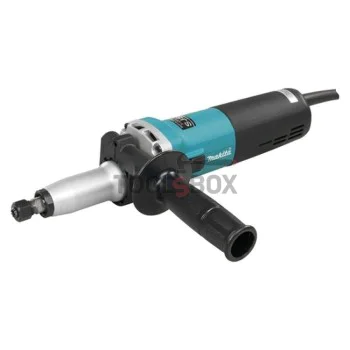
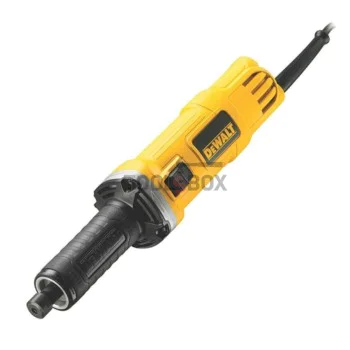
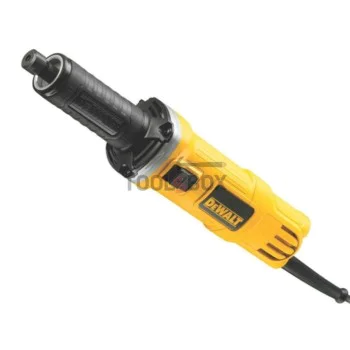
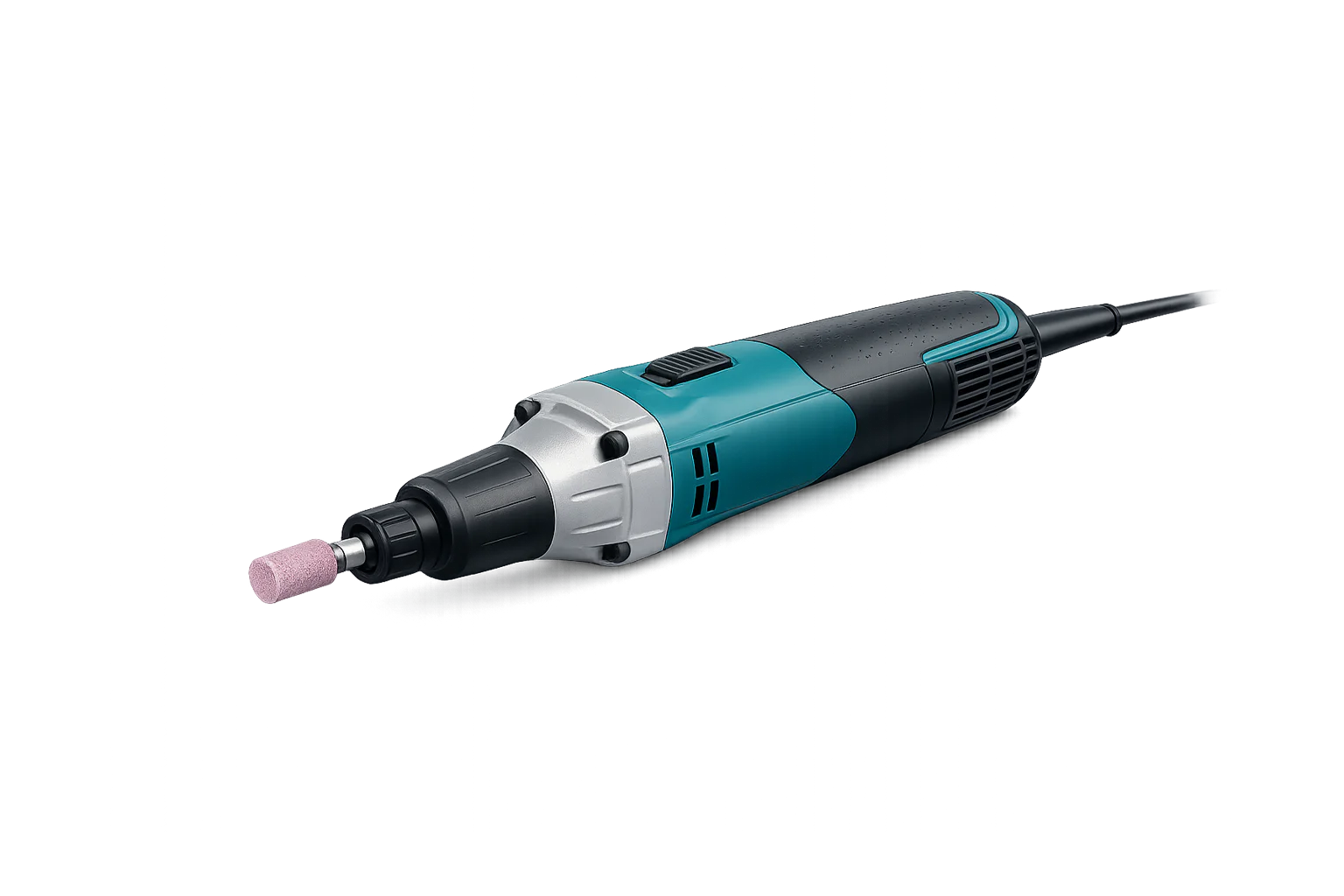
Straight grinder
Straight grinder for precision grinding, shaping, and finishing operations
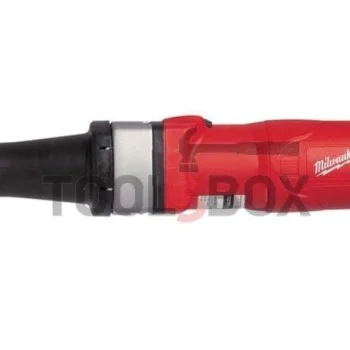
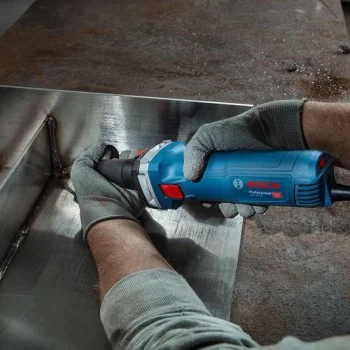
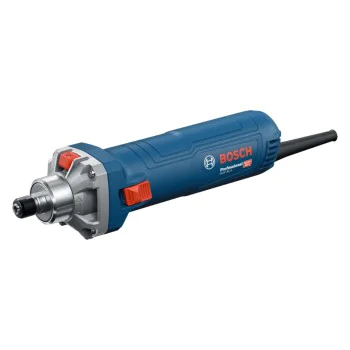
The straight grinder is a compact grinding machine with a straight spindle, designed for working on metal, weld seams, edges, holes, grooves, dies, and hard-to-reach areas. This power tool is invaluable in service shops, workshops, manufacturing, installation work, and for demanding repair tasks at home, where a standard angle grinder is too large or too coarse for detailed work. With the right attachment, the machine grinds, smooths, cleans, removes burrs, shapes contours, and prepares surfaces for further processing.
A high-quality straight grinder provides good control over the workpiece, stable speed, and precision when working with small abrasive tools. Toolsbox.bg offers models for various load intensities-from practical machines for repair and maintenance to solutions for professional use in metalworking, automotive service, structural fabrication, and precision machining.
Applications of the straight grinder in workshops, service centers, and assembly
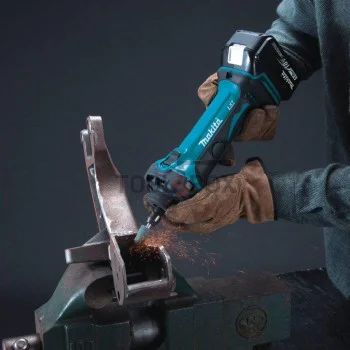
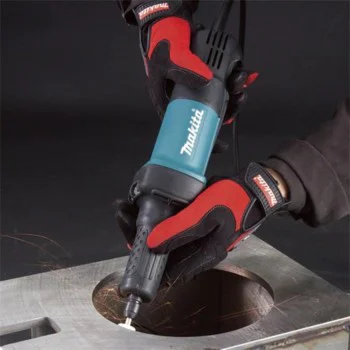
A straight grinder is used where controlled processing over a small area is required. Due to its elongated shape and compact head, the machine reaches areas around pipes, profiles, openings, internal corners, and welded joints. In metalworking, it is used for smoothing welds, cleaning castings, chamfering, removing sharp edges, and finishing after cutting or drilling.
In automotive and machine shops, this tool is useful for removing rust, working around bolt holes, machining small holes, and preparing surfaces before assembly. In woodworking and repair work, it can be used for shaping narrow profiles, fine smoothing, and working with suitable abrasives. For every task, the choice of consumables is just as important as the machine itself, because it determines the speed of work, the cleanliness of the surface, and control over the material.
Typical operations with a straight grinder
- Grinding welds in tight spaces and around complex shapes.
- Removing burrs and rough edges after cutting, drilling, or milling.
- Cleaning metal of rust, paint, scale, or contaminants using appropriate brushes and abrasives.
- Shaping holes and channels during repair and assembly operations.
- Fine finishing of small parts, dies, profiles, and components.
Selecting a straight grinder based on power, speed, and power source
When selecting a straight grinder, first consider the workload, the material, and the required precision. For lighter tasks, cleaning, and fine adjustments, compact machines with low weight and a slim body are convenient. For prolonged work on metal, welds, and hard materials, it is better to look for a more powerful model with good ergonomics, a stable grip, and a body that does not tire the hand during prolonged use.
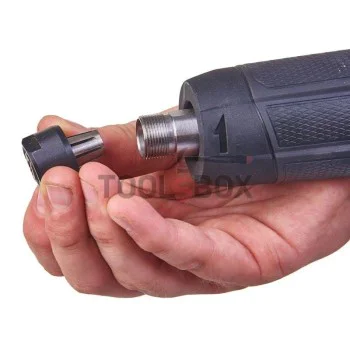
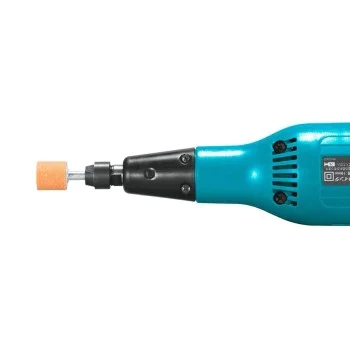
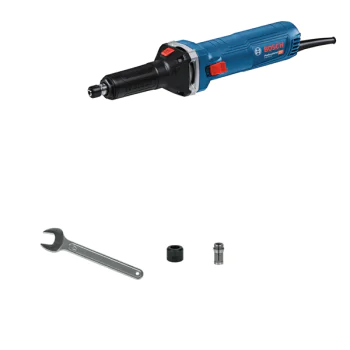
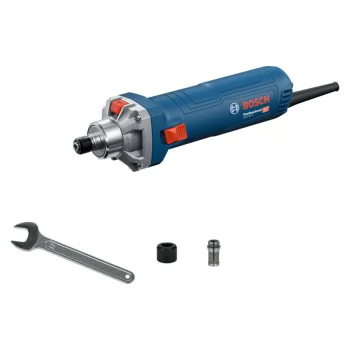
Power affects the machine's ability to maintain speed under load. Speed must be matched to the type of abrasive and material-small grinding wheels, routers, and bits often operate at high speeds, but every consumable has an acceptable range. The collet size determines which bits the machine will work with, so compatibility between the spindle, collet, and accessories is crucial for safe and precise operation.
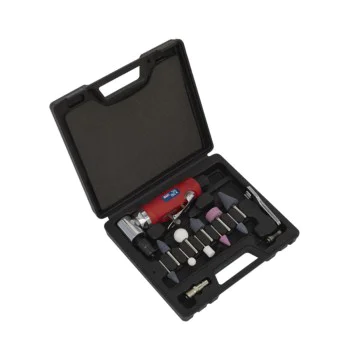
The corded straight grinder is practical for workshops and stationary applications where there is constant access to power. The cordless straight grinder offers freedom for installation, on-site service, and work away from a power outlet, with battery capacity, voltage, and runtime being key factors. The pneumatic straight grinder is preferred in service shops and production areas with a compressed air system because it is lightweight, withstands heavy-duty use, and operates with precision during repetitive tasks.
Chucks, bits, and consumables for precision machining
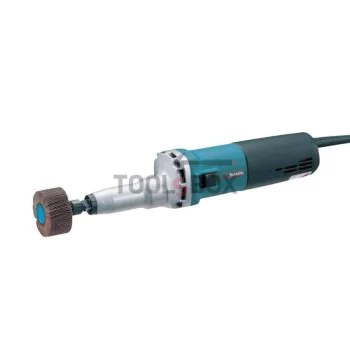
When using a straight grinder with a collet, the most common accessories are abrasive wheels, carbide cutters, grinding rolls, flap discs, wire brushes, polishing accessories, and holders for small discs. The shank diameter, permissible speed, and mounting type must match the machine's specifications. An incorrect accessory can cause vibrations, uneven machining, or a risk of damage.
For ferrous metals, select abrasives with good wear resistance and a shape that follows the profile being machined. For stainless steel, it is best to use consumables that do not contaminate the surface with particles of unsuitable metal. For aluminum and non-ferrous metals, tips that do not clog quickly with swarf are required. In finishing operations, the grit size of the abrasive determines how smooth the surface will be after machining.
Ergonomics, Safety, and Maintenance
Every straight grind must be held steadily, without excessive pressure on the workpiece. High speeds require a securely fastened consumable, safety goggles, gloves appropriate for the task, and control over the direction of sparks or flying particles. Long extensions should be used with caution, as they can vibrate at high speeds. The workpiece must be secured with a clamp, vise, or other secure support, and the work area must be free of flammable materials.
Clean the straight grinder of dust and metal particles after use, monitor the condition of the collet, and do not use worn or cracked abrasives. For corded machines, check the cable and ventilation openings. For cordless models, protect the batteries from impacts and contamination. For pneumatic tools, pay attention to air cleanliness, pressure, and lubrication according to the manufacturer's instructions.
Choose the right machine for your job
Choose a straight grinder based on the material, access to the work area, required power, power source type, and compatible accessories. This will give you better control, cleaner results, and more comfortable operation during repairs, installation, maintenance, or professional metalworking. Browse the offerings at Toolsbox.bg and select a machine and accessories that meet the needs of your workshop.