
Garden lanterns
Garden lanterns for functional and decorative outdoor lighting
Garden lanterns add a finishing touch to your yard, patio, walkway, or entryway, providing guiding light and a pleasant atmosphere in the evening. They are part of outdoor lighting fixtures and are sought after for private gardens as well as hotels, restaurants, villas, camping areas, and landscaped spaces around buildings. The selected models can highlight the architecture, mark walkways, and make walking through the yard more convenient after sunset.
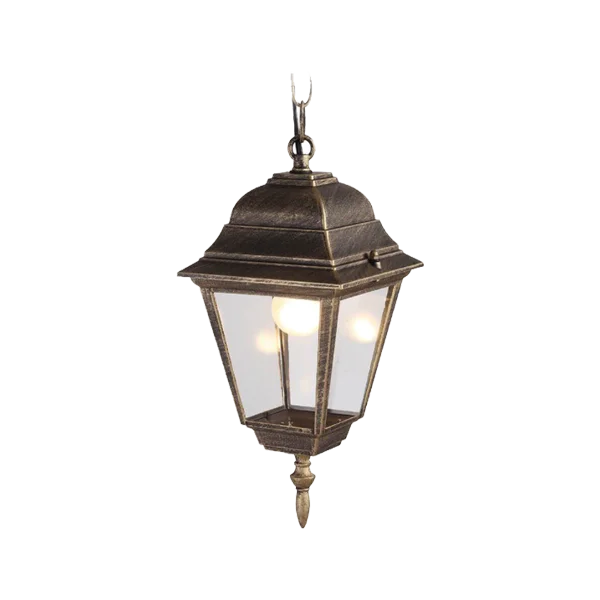
The range of garden lanterns includes decorative, solar, LED, freestanding, hanging, table, and wall-mounted solutions. The various designs differ in size, shape, material, power source, light color, and mounting type. This allows the lighting to easily adapt to the specific location-from a small terrace to a larger garden with paths, seating areas, and decorative plants.
Applications of garden lanterns
Garden lanterns are placed around paths, lawns, gazebos, pergolas, steps, entryways, fences, and seating areas. Along paths, they help with better orientation, while around tables, barbecue areas, and patios, they create soft lighting for evening use. Decorative models are often combined with other outdoor lamps, spotlights, or facade lighting so that the yard looks tidy and well-lit.
For home use, the focus is usually on aesthetics, easy installation, and low energy consumption. For professional use in restaurants, guesthouses, or shared outdoor spaces, sturdier construction, even light distribution, and the ability to replace or expand the lighting system are key. Garden lanterns with a more discreet design suit minimalist yards, while models with a classic shape fit well into rustic, Mediterranean, or traditional garden designs.
Types by Power Source and Installation
The difference between the various models starts with the power source. Solar lanterns operate on a rechargeable battery powered by a solar panel and are a practical choice for locations without an electrical outlet. Electric models connect to the electrical system and are suitable for more constant lighting of entrances, walkways, and high-traffic outdoor areas. LED options are valued for their low energy consumption and the long service life of the light source.
| Lantern type | Application | What to consider |
|---|---|---|
| Solar | Pathways, flower beds, patios, areas without wiring | Access to sunlight, battery capacity, lighting duration |
| Electric | Entrances, yards, facades, permanent lighting points | Power supply, installation, moisture and dust protection rating |
| Hanging or table-top | Gazebos, tables, balconies, relaxation areas | Size, stability, style, and ease of movement |
| Floor-standing or column-mounted | Pathways, lawns, decorative areas | Height, base, method of attachment to pavement or soil |
How to choose garden lanterns based on the location
When choosing garden lanterns, it's helpful to start with the purpose of the lighting. For path lighting, lower models with directed or diffused light are ideal. For a dining or relaxation area, lanterns with warm light and a decorative housing are more suitable. For entrances, steps, and darker areas, the light should be brighter without blinding passersby.
The size of the lantern should match the space. Smaller models look good in planters, around flower beds, or on tables. Taller fixtures are more visible on lawns and along walkways. When using multiple light sources, it is recommended that the distance between them be even to avoid areas that are too bright or too dark.
Materials, Protection, and Outdoor Environment
The bodies of garden lanterns can be made of metal, plastic, glass, wood, or a combination of materials. Metal models look sturdy and are preferred for more classic designs. Plastic options are lightweight and easy to move. Glass elements add a decorative touch but require more careful maintenance. For outdoor areas, protection against rain, dust, and temperature changes is important, so the IP rating is a useful guide when comparing models.
The color of the light directly affects the atmosphere in the yard. Warm light is pleasant for patios, gazebos, and relaxation areas, while neutral light is suitable for entrances and walkways. For solar models, the panel's placement is important-shaded areas reduce charging and operating time at night.
Installation, Maintenance, and Safety
Ground-mounted garden lights are quick to install and allow for easy repositioning. Wall-mounted and electric models require more careful planning of cabling, mounting, and protection of connections. When working with an electrical power supply, it is advisable to perform the installation in accordance with outdoor installation requirements, using appropriate terminals, cables, and moisture protection.
Maintenance includes cleaning the glass, panels, and housings of dust, dirt, leaves, and insects. For solar lanterns, a clean panel improves charging. For models with replaceable bulbs, the base, wattage, and acceptable light source type must be considered. Regular inspection of the bases and mounting is recommended after strong winds, rain, or seasonal rearrangement of garden furniture.
Garden lanterns for a finished yard and patio
Garden lanterns are an easy way to add practical light and a decorative accent to your outdoor space. When the size, material, power source, and style are chosen correctly, they fit into various garden projects, yard renovations, lighting installations, or terrace makeovers. Browse the models at Toolsbox.bg and choose a solution that matches your intended use, installation location, and the desired look for your outdoor lighting.