
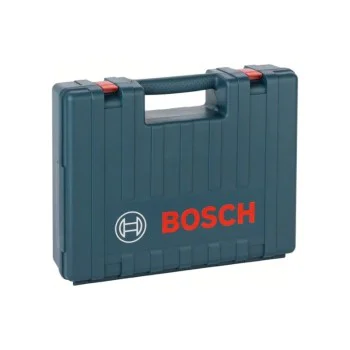
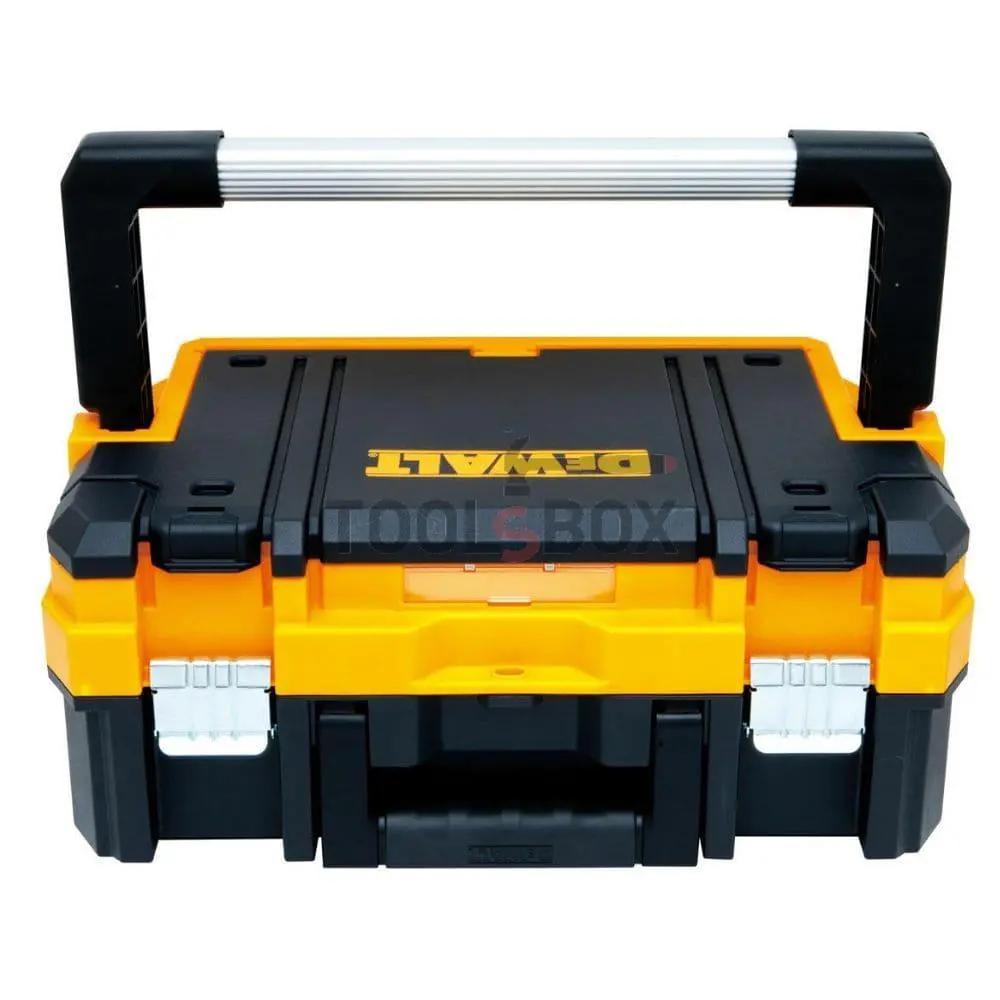
Suitcase for perforator
Hammer Drill Case - Secure Storage and Convenient Transport
A hammer drill case protects the tool during transport, storage in the workshop, and transport to the job site. A hammer drill is a power tool frequently used for drilling into concrete, brick, and stone, as well as for demolition, installation, and repair work. Due to its weight, shape, and the additional accessories that come with it, a sturdy case is needed to keep the machine organized and protect it from impacts, dust, moisture, and accidental damage to the body.
In the case and organizer section, these types of cases occupy a practical niche between standard toolboxes and specialized transport solutions for power tools. A well-chosen case for a hammer drill makes work easier for builders, installers, service technicians, and DIYers, because the machine, drill bits, chisels, and small accessories all stay in one place.
What does a hammer drill case include?
A hammer drill case is most often a hard plastic box with a handle, locking clips, and molded interior slots. These slots hold the machine body, side handle, depth stop, SDS-plus or SDS-max drill bits, chisels, chuck, adapters, and other accessories. For cordless tools, space is often allocated for a battery or charger when the case size allows.
Some models are designed for a specific tool shape, while others offer a more flexible interior layout. When choosing a case for a hammer drill, it's not just the external dimensions that matter, but also the internal height, the length of the compartment for the body, the space for the cable or batteries, and the placement of the dividers. A case that's too small will squeeze the tool, while one that's too large will allow it to move around during transport.
Applications in construction, repair, and maintenance
A case for a hammer drill is particularly useful when working on various job sites. During construction and renovation, the tool is often transported along with drill bits, chisels, safety gear, and hand tools. When everything is organized, preparation for drilling or chiseling is faster, and the risk of losing accessories is reduced.
For service teams and installers, the case helps keep the vehicle and workshop organized. For home use, it protects the hammer drill during long periods of storage in a garage, basement, or tool cabinet. The hard shell protects the power tool from pressure from other boxes, and the handle makes it easy to carry up stairs, through yards, and on construction sites.
How to choose the right size and interior layout
The most accurate way to choose is to compare the machine's dimensions with the case's internal dimensions. Check the body length, height including the handle, the shape around the gearbox, the cable compartment for corded hammer drills, and the battery compartment for cordless models. For more powerful machines with an SDS-max chuck, a larger case is needed, while compact SDS-plus models fit into smaller carrying cases.
- Machine size: Measure the length, height, and width, including protruding parts.
- Chuck type: SDS-plus and SDS-max machines often have different housings and require different internal space.
- Space for accessories: compartments for drill bits, chisels, a stop, a chuck, and adapters are useful.
- Closure: Sturdy clips keep the lid closed during transport.
- Handle: A comfortable grip is important when carrying heavier power tools.
Materials, protection, and ease of use
For hammer drill cases, impact-resistant plastics are the most common because they are lightweight, do not corrode, and are easy to clean of dust. Thicker walls and reinforced corners provide better protection during transport. The contoured interior reduces tool movement, and separate compartments keep accessories separate from the power tool's body.
A high-quality hammer drill case also protects against dirt. Concrete dust, masonry debris, and metal shavings easily find their way into the work area, so a closed case is convenient for storage between jobs. With regular maintenance, it is sufficient to shake out or wipe down the case and check the compartments for broken drill bits, small parts, and accumulated dust.
Compatibility with Tools and Accessories
Compatibility is crucial when purchasing a case for a hammer drill. If the case is designed for a specific series of machines, the internal slots usually follow the shape of the body. For more general-purpose options, look at the dimensions and available space. If you need to carry more accessories, it makes sense to look for models with additional compartments or a larger interior volume.
For professional use, cases with a sturdier handle, a tight-fitting lid, and secure fasteners are valuable. For home repairs, compact size and easy storage are often priorities. In both cases, a case for a hammer drill helps keep the tool protected, organized, and ready for the next task.
A practical choice for an organized workshop
A hammer drill case is a small but useful piece of equipment for any drilling and chiseling machine. It reduces the clutter of accessories, protects the power tool during transport, and makes it easier to store alongside other tools. Choose a model based on the size of your hammer drill, the type of chuck, the compartments you need, and how you plan to carry it-and at Toolsbox.bg, you'll find solutions for both professional and home use.