
Electric water pumps
Electric water pumps for irrigation, drainage, and household use
Electric water pumps are a practical choice for watering gardens, transferring water from containers, pumping from wells, draining shafts, basements, and tanks, as well as for maintaining pressure in domestic water systems. They replace manual labor, speed up the work, and provide better control over flow rate, direction of flow, and pumping duration. This section features models for clean water, drainage, slightly contaminated water, irrigation systems, and for use in yards, greenhouses, vacation homes, workshops, or construction sites.
For gardening, an electric water pump is particularly useful for watering from a barrel, tank, well, or reservoir. For repairs and maintenance, it helps drain pools, ditches, pits, manholes, and flooded rooms. For more demanding tasks, choose models with higher head, higher flow rate, a metal housing, overload protection, or a float switch for automatic on/off operation when the water level changes.
What Does the Range of Electric Water Pumps Include?
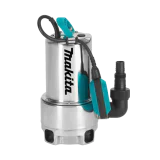
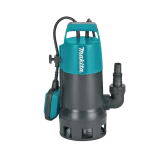
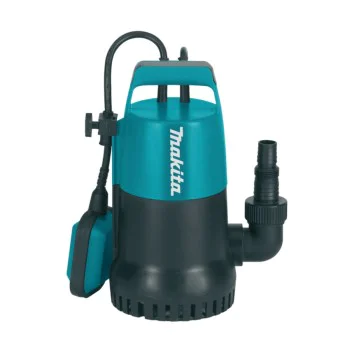
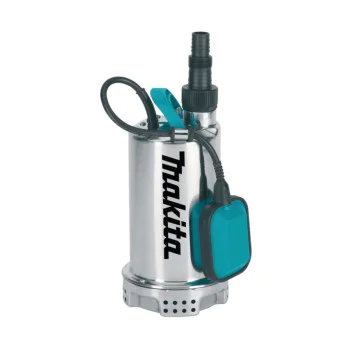
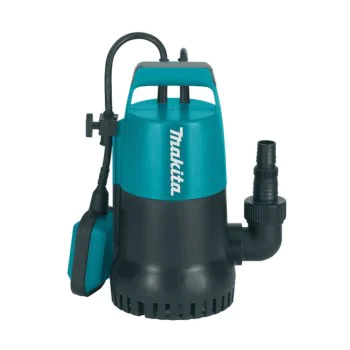
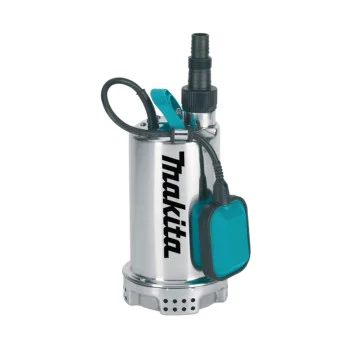
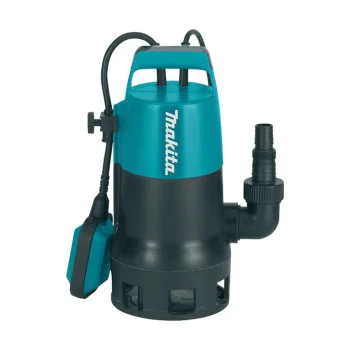
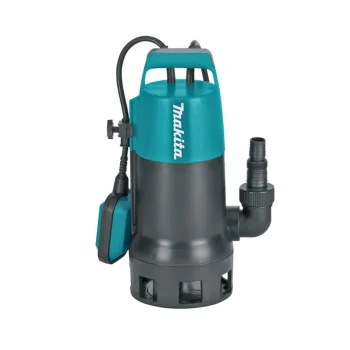
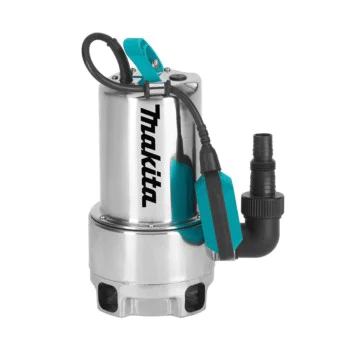
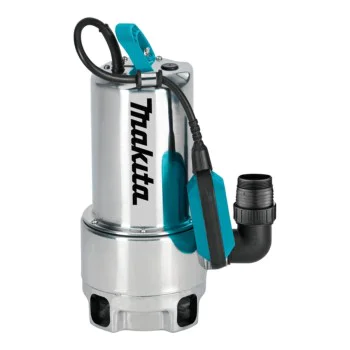
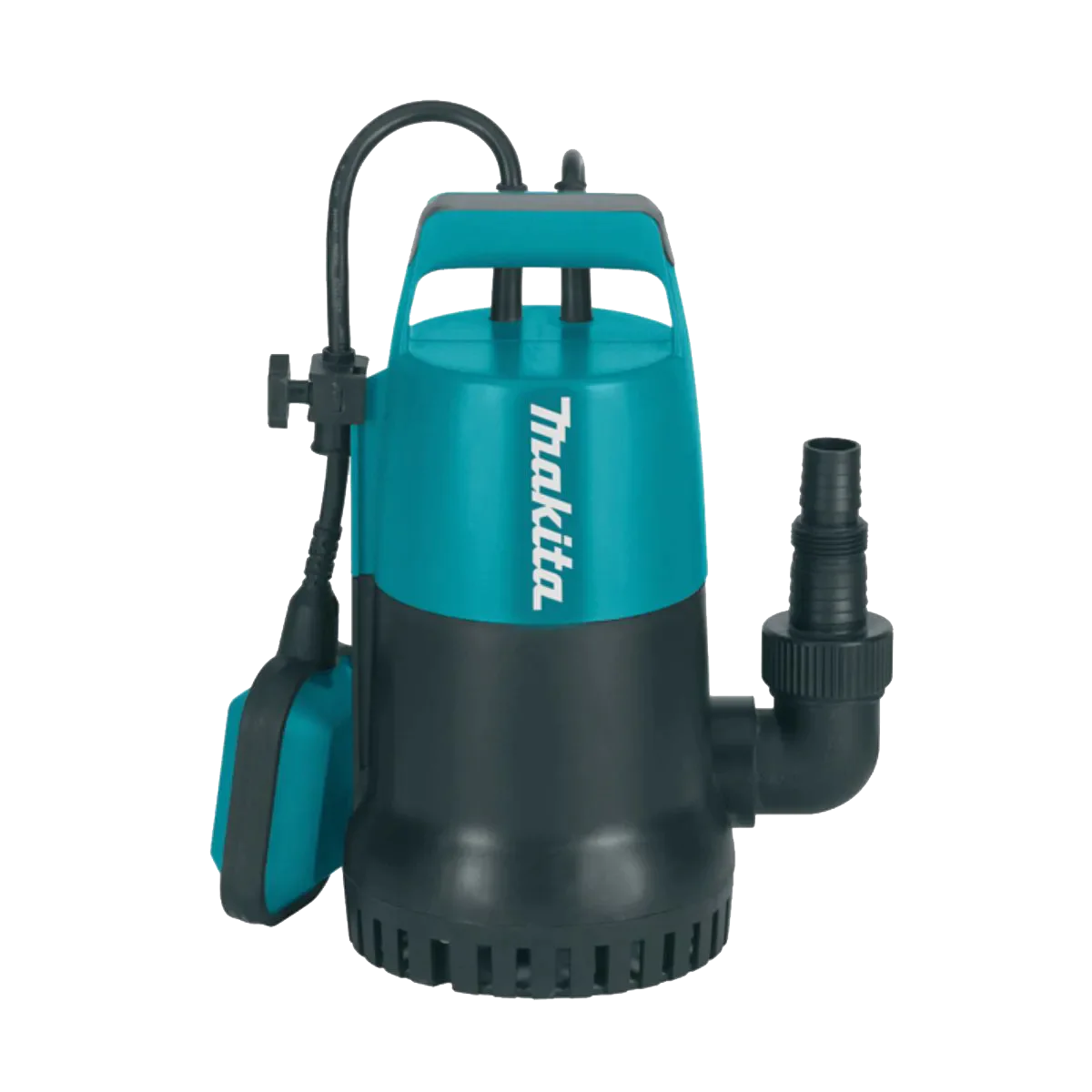
Electric water pumps vary in design, purpose, and operating parameters. Surface pumps are located outside the water source and draw water through a hose. They are suitable for watering, filling containers, and supplying water to sprinklers. Submersible pumps operate underwater and are used for drainage, draining, and pumping from deeper locations. Drainage models are designed to remove water from sumps, basements, and construction pits, and some variants can handle small particles depending on the specific model.
In domestic water supply, pressure booster systems and pressure-switch-controlled pumps are common; these maintain pressure in the system and are combined with an expansion tank. For wells and boreholes, pumps are selected based on depth, borehole diameter, delivery head, and required flow rate. For garden irrigation lines, the length of the hose, the number of sprinklers, and pressure losses along the route are important factors.
Applications in the garden, home, and workshop
Electric water pumps are used in various activities where controlled water movement is required. A properly selected machine saves time, reduces the operator's workload, and facilitates regular property maintenance.
- Watering lawns, vegetable gardens, and greenhouses-supplying water from a well, tank, barrel, or cistern to a hose, spray gun, or sprinkler.
- Drainage-draining basements, manholes, garages, ditches, construction pits, and other areas with accumulated water.
- Water transfer-filling and emptying pools, containers, barrels, decorative ponds, and technical vessels.
- Domestic water supply-supplying water to faucets, sanitary fixtures, or irrigation systems via a pressure booster system.
- Facility maintenance-assistance with repair work, emergency pumping, and seasonal preparation of yard systems.
How to Choose an Electric Water Pump
Selection starts with the task and operating conditions. Not every water pump is designed for the same type of fluid, delivery head, or continuous load. When comparing models, pay attention to the following parameters:
- Flow rate - indicates how much water passes through the pump in a given time. A higher flow rate is useful for rapid drainage and supplying multiple irrigation points.
- Head - the height and pressure of the delivery. Longer hoses, sloped terrain, or sprinklers require a higher head.
- Suction or submersion depth-surface pumps have a suction limit, while submersible pumps operate directly in the water.
- Water type-clean, slightly contaminated, or water containing particles. Drainage models are selected based on the permissible particle size.
- Power and power supply-a more powerful electric motor helps with heavier loads, but must be compatible with the electrical installation.
- Inlet and outlet-the connection diameter must match the hoses, fittings, quick-connect fittings, and valves.
- Controls - a float switch, pressure switch, dry-run protection, or thermal protection simplify operation and protect the motor when used correctly.
Comparison of common pump types
| Type | Typical operation | Practical notes |
|---|---|---|
| Surface garden pump | Watering, transferring, filling containers | Stands outside the water; requires a suction hose and tight connections. |
| Submersible pump | Draining from tanks, wells, and sumps | Operates submerged; convenient for limited space and deeper water levels. |
| Drainage pump | Drainage of basements, excavations, and ditches | Selected based on water clarity and permissible particle size. |
| Pressure system | Pressure maintenance for a house, cottage, or yard | Combines a pump, control unit, and tank; convenient for regular water supply. |
Materials, safety, and maintenance
Electric pump housings are made of plastic, stainless steel, cast iron, or aluminum alloys. Plastic models are lightweight and convenient for seasonal gardening. Metal housings can withstand heavier loads and are preferred for service, construction, and longer-term tasks. The impeller, seals, and motor cooling affect performance during prolonged use, so the technical specifications of the specific model must be matched to the actual task.
Safe operation of an electric pump requires an intact cable, dry electrical connections, a stable power supply, and protection via a suitable fuse or residual current device. The pump must not run dry unless the manufacturer has provided special protection. For surface models, the suction hose must be well sealed, as air ingress reduces performance and makes starting difficult.
Maintenance includes cleaning the filter and intake grille, flushing after use with turbid water, checking the hoses and connections, and draining before winter storage. For sump pumps, it is advisable to remove sand, leaves, and large debris around the inlet to prevent the impeller from becoming blocked. For pressure booster systems, monitor the pressure in the tank, the pressure switch, and the check valve.
Electric water pumps for professional and domestic use
The right electric water pump is selected based on the water source, delivery height, required flow rate, water quality, and control method. For yard and seasonal watering, a compact garden pump is often sufficient. For emergency drainage, a submersible or float-controlled drainage pump is more suitable. For a cottage, house, or permanent irrigation line, a system with pressure control and compatible hoses, filters, and fittings is more practical.
At Toolsbox.bg, you can select electric water pumps based on the specific task-from compact models for the garden to more powerful options for drainage, water supply, and maintenance. Compare specifications, compatibility, and intended use to select a pump that meets the requirements and conditions of your site.