
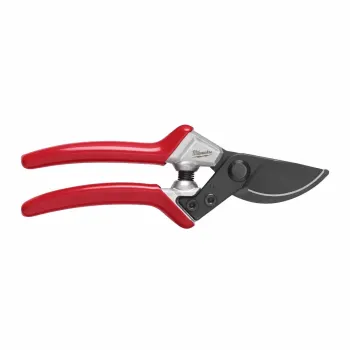
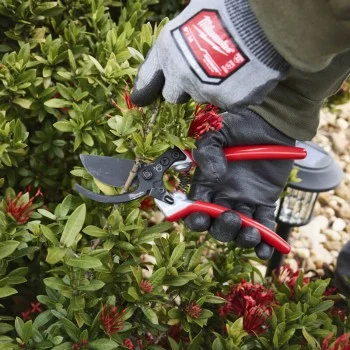
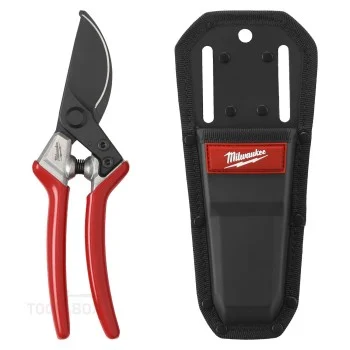
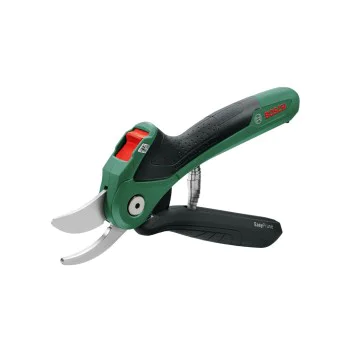
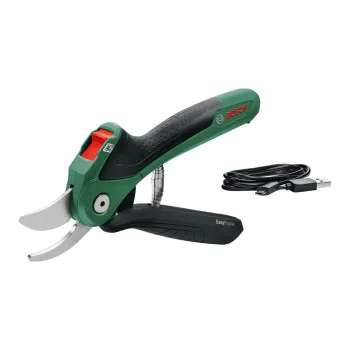
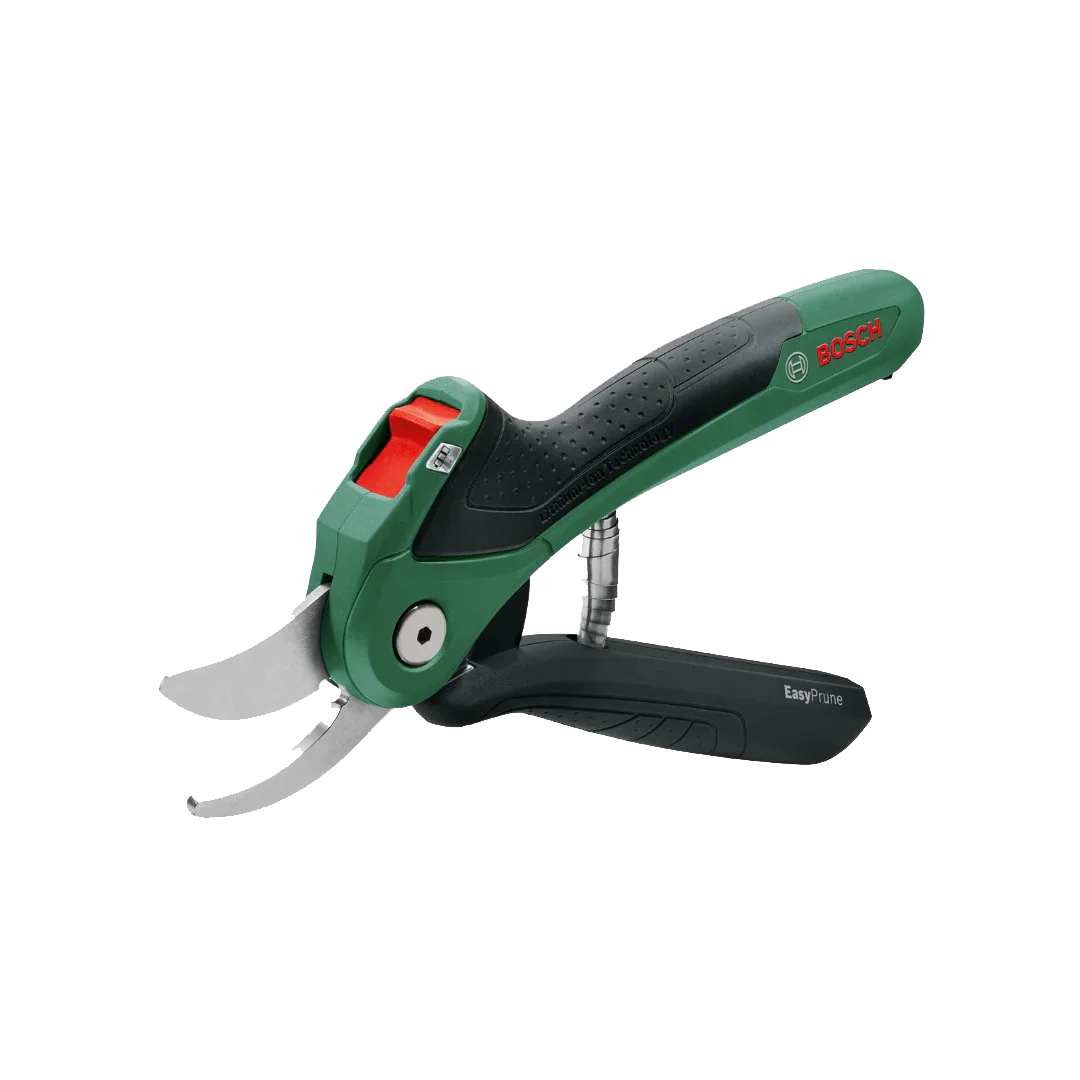
Vineyard shears
Pruning shears for precise pruning of grapevines, fruit trees, and ornamental plants
Pruning shears are hand tools designed for clean, controlled cutting of canes, shoots, thin branches, and foliage. They are used for pruning grapevines, shaping fruit trees, and caring for roses, shrubs, and ornamental plants in the garden. A well-chosen pair of shears reduces hand strain, protects the plant tissue from crushing, and ensures a smoother cut, which facilitates recovery after pruning.
The range of pruning shears includes compact models for fine pruning, sturdier versions for thicker branches, shears with curved blades, models with an anvil, bypass mechanism, ratchet, lock, and ergonomic handles. The differences between the various models are most noticeable during prolonged use, when working with hard wood, and when pruning a large number of plants.
Types of pruning shears and their applications
With bypass-type pruning shears, the two cutting blades slide past each other. This type is preferred for live branches, green shoots, and precise pruning because the cut remains smooth and causes less damage to the plant. Bypass shears are suitable for grapevines, young fruit trees, ornamental shrubs, and flowers with more delicate stems.
Anvil-style models feature a sharp cutting blade that presses the branch against a flat anvil. They are practical for dry, harder wood and for trimming twigs where the cleanliness of the cut is less critical than cutting power. For thicker, dry branches, the anvil helps provide more stable pressure and makes it easier to sever the material.
Pruning shears with a ratchet mechanism divide the cut into several short strokes. This reduces strain on the wrist and is appreciated when dealing with harder branches, during prolonged use, or by users seeking less physical exertion. There are also models with a rotating lower handle, shock absorbers, an anti-slip guard, and a locking mechanism for transport.
Blades, Coatings, and Cut Shape
The blade is the heart of every pruning shears. Hardened steel retains its sharpness longer, and a precision-ground cutting edge improves control during use. Some models feature a coating that prevents sap and resin from sticking, making cleanup after pruning easier. Curved blades grip the branch more securely, while narrower tips allow access into dense canopies or between closely spaced branches.
For grapevines, a clean cut without splitting is desired. For fruit trees and shrubs, the branch diameter, wood hardness, and frequency of use are important factors. Pruning shears with well-matched blades cut evenly and do not put unnecessary pressure on the plant tissue.
How to Choose Pruning Shears
Pruning shears are selected based on the type of work, the diameter of the branches, and the workload throughout the season. For light garden maintenance and home use, a compact model with a comfortable grip is often sufficient. For professional use in viticulture, fruit growing, or landscaping, it is wise to look for more durable blades, a sturdy spring, a secure lock, and handles that do not tire the hand during hundreds of consecutive cuts.
- Cutting diameter: should match the actual thickness of the twigs and branches you'll be cutting most often.
- Mechanism type: bypass for green wood, anvil for dry branches, ratchet for easier cutting when encountering greater resistance.
- Blade material: hardened steel, fine sharpening, and an anti-stick coating make work and maintenance easier.
- Handles: Ergonomic shape, non-slip coating, and the right length reduce strain on the palm.
- Weight and size: Lighter shears are comfortable for extended pruning, while larger ones provide more leverage for thick branches.
- Lock: A secure lock keeps the blades closed during storage and transport.
Comparison of main models
| Scissor type | Performance | Strengths |
|---|---|---|
| Bypass | Live shoots, vine shoots, young branches | Clean cut and good precision |
| With an anvil | Dry and harder twigs | Strong pressure and consistent cutting |
| With a ratchet | Thicker branches and prolonged pruning | Less effort required when cutting |
| Compact | Precise work in gardens and flower beds | Easy control and low weight |
Comfort, safety, and maintenance
Regular care of pruning shears extends the tool's life and maintains the quality of the cut. After use, clean the blades of plant sap, dust, and bark residue. If necessary, sharpen the cutting edge with a suitable stone or file, and lightly lubricate the moving parts. This keeps the mechanism smooth, ensures the spring operates evenly, and reduces strain on the hand.
Safety is also important when working with hand tools on a daily basis. Locking the blades after pruning, a firm grip, and proper finger positioning reduce the risk of cuts. For prolonged pruning, work gloves and safety goggles are recommended when dealing with dry branches, along with periodic short breaks to avoid overloading the wrist and forearm.
For more intensive work, check for spare blades, springs, or bolts for your specific model. Service support and replaceable parts are valuable for people who seasonally prune large areas of vineyards, orchards, or ornamental plantings. For home gardens, the focus is usually on comfort, lightness, and easy cleaning.
Pruning shears for professional and home use
Pruning shears are a small tool, but they directly affect the speed, precision, and comfort of pruning. When chosen correctly, a pair of shears can be used for vineyard maintenance, shaping fruit trees, removing dead branches, caring for roses, and seasonal garden cleanup. The differences between models are evident in their balance, blade hardness, ease of cutting, and how they feel in the hand.
Choose pruning shears based on the actual work you do, and compare available models by mechanism, size, blade, and grip comfort. At Toolsbox.bg, you'll find practical hand tools for pruning, garden maintenance, and professional work in viticulture and fruit growing.