
Hydraulic pumps
Hydraulic pumps for controlled pressure and precise operation
Hydraulic pumps are the primary source of pressure for tools, cylinders, and systems that perform pressing, lifting, bending, stretching, crimping, pulling, or high-force service operations. They convert mechanical, electrical, or battery power into hydraulic pressure, providing the operator with powerful and controllable action even in hard-to-reach areas. Choosing the right pump affects operating speed, safety, precision, and compatibility with existing hydraulic tools.
At Toolsbox.bg, you'll find hydraulic pumps for workshops, installation teams, service operations, construction sites, equipment maintenance, and repair work. The range includes models for various load capacities, operating pressures, power sources, and control methods. For mobile work, battery-powered models are convenient for installations outside the workshop where access to the electrical grid is limited. For stationary operations, pumps with consistent performance, a convenient reservoir, and easy connection to hydraulic hoses and fittings are preferred.
What are hydraulic pumps used for?
A hydraulic pump supplies pressurized oil to an actuator-a cylinder, press head, shear, spreading tool, jack, or other hydraulic module. This achieves high force with relatively compact equipment dimensions. This type of equipment is used in electrical installation, plumbing, industrial maintenance, auto repair shops, metalworking, construction, and emergency repair work.
Typical applications include crimping cable terminals, crimping connectors, cutting cables and fittings, straightening parts, lifting heavy components, tensioning, spreading, and working with hydraulic cylinders. For precision operations, smooth pressure control is valuable, while for heavy-duty cycles, flow rate, tank capacity, and ease of operation are important.
Types of Hydraulic Pumps
Accumulator-type hydraulic pumps
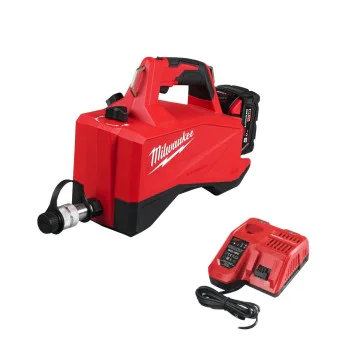
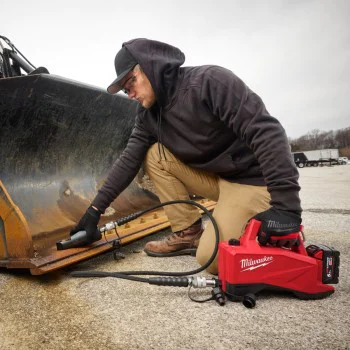
Battery-powered hydraulic pumps are practical for field installations, infrastructure repairs, service interventions, and work at sites without a constant power supply. They reduce the need for cables and extension cords, which makes it easier to move around the machine, control panel, structure, or piping system. When selecting such a model, consider the battery voltage, capacity, charging time, compatibility with chargers, and the ergonomics of the housing.
Electrohydraulic pumps
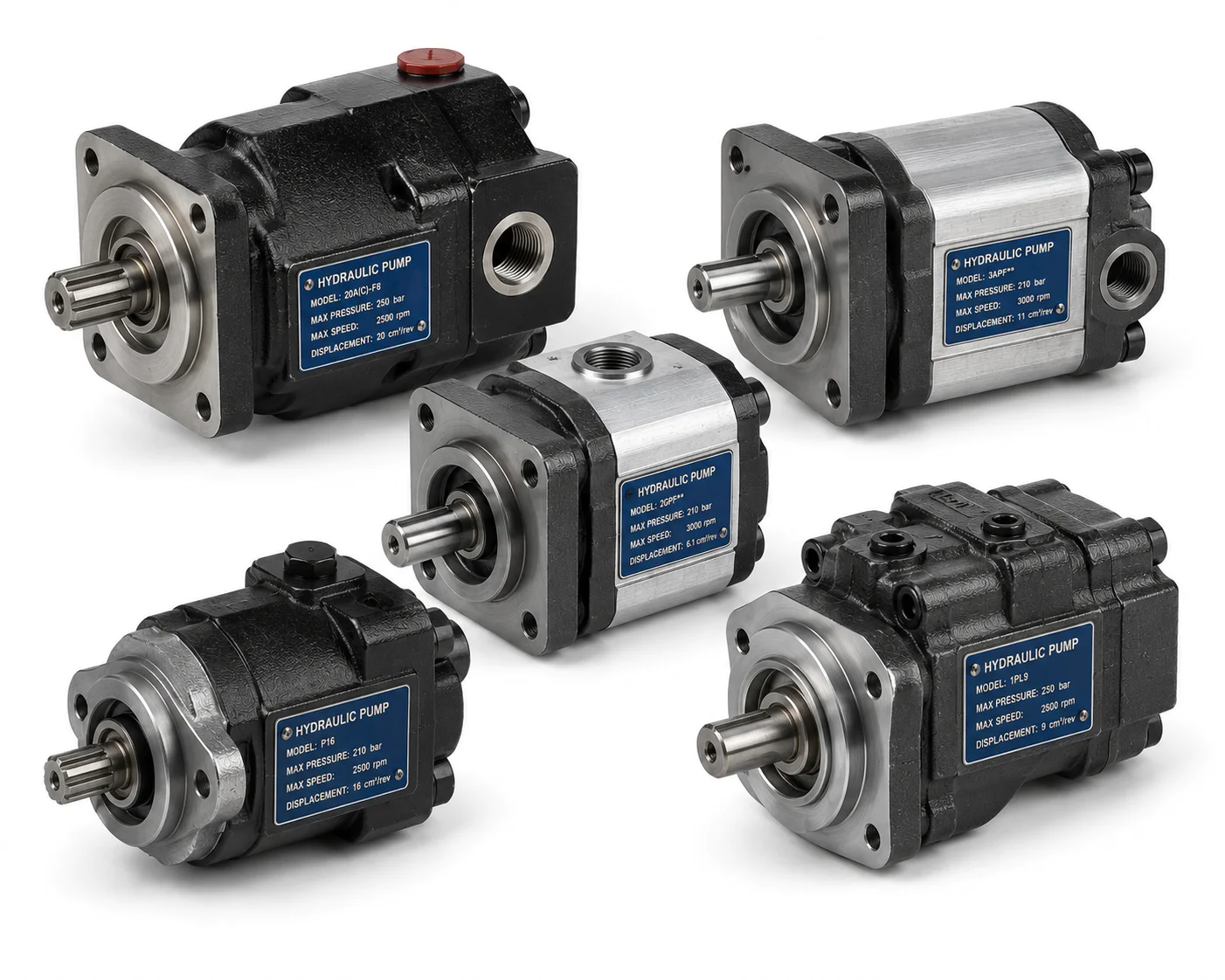
Electrohydraulic pumps are preferred for longer work cycles and tasks requiring continuous operation with a steady flow. They are a good option for workshops, assembly facilities, and service areas. Key factors to compare include motor power, flow rate, control type, electrical protection, oil reservoir capacity, and cooling method during continuous operation.
Hand-operated hydraulic pumps
Hand pumps are compact, easy to transport, and useful for infrequent operations, emergency repairs, or tasks that do not require high speed. They do not rely on electricity or a battery, making them convenient as backup equipment in a service vehicle or workshop. Key factors to consider include lever force, stroke length, reservoir capacity, and precision in pressure release.
Criteria for Selecting a Hydraulic Pump
The right selection starts with the operating pressure. It must match the tool or cylinder you'll be working with. Insufficient pressure won't generate the necessary force, while excessive pressure without compatibility poses a risk to the equipment and the operator. A common parameter is maximum pressure, but flow rate is also important for actual operation-it determines the speed of the hydraulic mechanism.
- Operating pressure: depends on the hydraulic head, cylinder, press, or jack.
- Flow rate: a higher flow rate accelerates the tool's movement, while a lower one provides finer control.
- Tank capacity: affects the volume of oil required for one or more cylinders.
- Control type: via button, foot pedal, lever, remote control, or pressure relief valve.
- Power source: manual, electric, or battery-powered; selected based on the location and duration of operation.
- Connectivity: Threads, quick-connect fittings, hoses, and nozzles must be compatible with the rest of the equipment.
For professional use under heavy-duty conditions, it is advisable to look for models with a sturdy body, a comfortable handle, easy access to the tank, and a precise control valve. For a home workshop or occasional repairs, a more compact manual or cordless pump is often sufficient, provided the specifications match the specific tool.
Compatibility with Hydraulic Tools and Accessories
Compatibility is crucial for safe and precise operation. The hydraulic pump must be combined with hoses, quick-connect fittings, adapters, pressure gauges, and actuators with the same pressure rating. The diameter and length of the hose affect pressure loss and ease of positioning. The pressure gauge aids in visual monitoring, and the correct valve ensures smooth pressure release after the operation is complete.
When working with press heads and crimping tools, a precise match is required between the pump, dies, and the cross-section of the material being processed. When lifting or stretching, consider the cylinder stroke, the required oil volume, and the stability of the support points. When cutting, account for the hardness and size of the material to avoid overloading the blades and the hydraulic system.
Safety and Maintenance
Hydraulic equipment operates under high pressure, so proper preparation reduces the risk of leaks, damage, and inaccurate operations. Before operation, check the hoses for cracks, the connections for leaks, the reservoir for sufficient oil, and the valve for proper operation. The operator ensures that the equipment is not overloaded and does not work with damaged nozzles, deformed couplings, or unsuitable adapters.
Maintenance includes using clean hydraulic oil, protecting against dust and moisture, regular bleeding according to the manufacturer's instructions, and storage without mechanical stress on the hoses. The batteries in battery-powered models must be protected from impact, excessive heat, and deep discharge. This ensures that the pump maintains stable pressure and predictable performance under load.
Choice for workshops, service centers, and field installation
For workshops, powerful electro-hydraulic pumps with a convenient reservoir, pressure gauge, and easy operation are preferred. For service vehicles and installation teams, battery-powered hydraulic pumps offer freedom of movement and save time when setting up the worksite. For emergency operations and backup equipment, manual models remain a practical choice due to their simple mechanics and independence from a power source.
Browse the available hydraulic pumps at Toolsbox.bg and compare models by pressure, flow rate, power source, reservoir, and compatible accessories. This way, you'll select equipment that meets the actual needs of your workshop, service center, or installation team.