
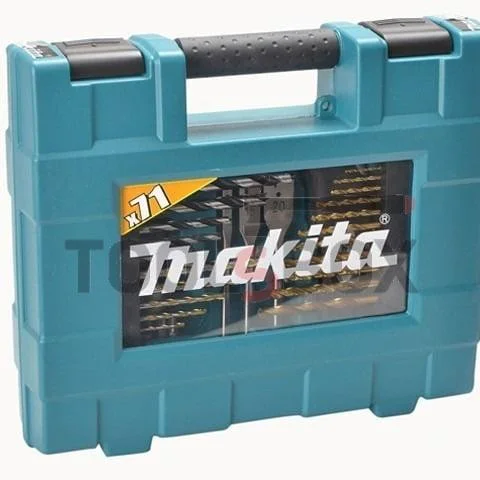
Metal tool case
Metal tool case for organized and safe work
A metal tool case is a practical way to store and transport hand tools, small accessories, fasteners, and consumables in a workshop, service center, garage, or on a job site. The metal body protects the contents from impacts, crushing, and the daily wear and tear of repair, installation, and maintenance work. Such cases are used by craftsmen, technicians, installers, and discerning DIYers who want their tools to be organized, protected, and easy to find.
A metal tool case is ideal for working with pliers, screwdrivers, wrenches, sockets, bits, knives, measuring tools, small spare parts, and fasteners. Unlike soft bags, the metal version retains its shape, withstands pressure during transport, and protects the contents in harsher environments. Thanks to its rigid shell, it stands stably on the floor, a shelf, or a workbench and facilitates quick access to the main set of tools.
What metal tool cases have in common
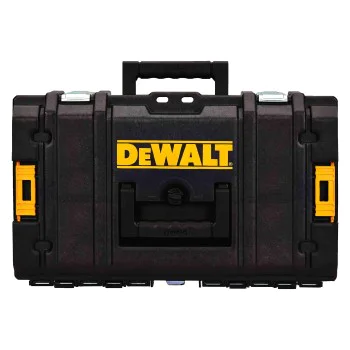
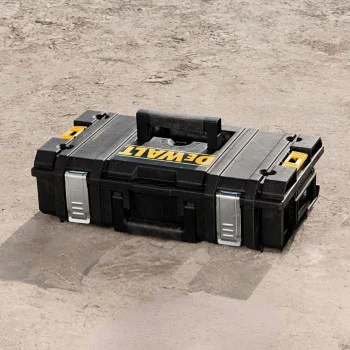
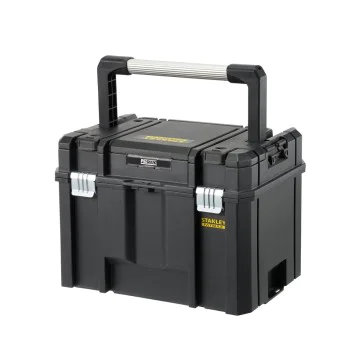
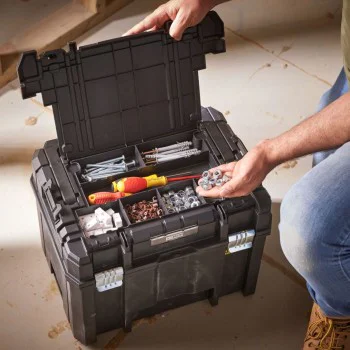
With these models, the main focus is on the metal case, the carrying handle, the fasteners, and the internal layout. Some versions have a single large compartment for bulkier hand tools, while others feature expandable trays, dividers, or multiple levels for better organization. A metal tool case with multiple compartments is convenient when working with different sizes of wrenches, sockets, drill bits, and fasteners, as it separates small parts from larger tools.
For on-site service and installation work, a well-organized case saves time searching and reduces the risk of losing items. For home use, it keeps tools in one place and frees up space in a cabinet or garage. For a workshop, a metal tool case is a good choice for a basic set that moves between the workbench, the car, and the job site.
Main Types and Applications
Metal tool cases come in various sizes depending on capacity, opening mechanism, and internal organization. The more compact models are convenient for a basic set of screwdrivers, pliers, wrenches, and a measuring tape. The larger versions hold more tools and are better suited for mobile work, where a single set handles various tasks throughout the day.
| Type | Practical Use | What to look for |
|---|---|---|
| Single-section metal case | Basic set of hand tools for repairs, garage, and maintenance | Internal capacity, comfortable handle, sturdy fasteners |
| Case with expandable trays | Tools of various sizes, bits, sockets, fasteners, and small parts | Number of levels, smooth opening, access to the lower compartment |
| Reinforced metal case | Harsher conditions in service, construction, and installation | Metal thickness, hinge quality, secure closure |
| Compact car toolbox | Emergency tools, travel kit, and small repair tasks | Size, weight, stability during transport |
Criteria for purchasing a metal tool case
Size is the first factor that affects convenience. A small metal tool case is easy to carry and store, but it holds a limited set of tools. A larger model holds more equipment, but when loaded with heavy wrenches, hammers, and sockets, it requires a sturdier handle and well-made hinges. When carried regularly, the weight of the empty case also matters, as it adds to the weight of the tools.
The internal layout directly affects work efficiency. Compartments for small parts reduce the mixing of screws, nuts, washers, and sockets. Expandable trays provide visibility of more tools at once and are convenient for service work, furniture assembly, electrical installations, plumbing repairs, and machine maintenance. For longer tools, checking the internal length is necessary to avoid difficulty closing or jamming.
Locking and secure closure are also essential for mobile work. A metal tool case with metal latches and a padlock slot protects the contents during transport and storage in a shared space. The hinges should move smoothly without twisting the lid, and the handle should fit comfortably in the hand even when carrying a heavier load.
Material, construction, and tool protection
The metal body provides mechanical resistance to impact, pressure, and contact with rough surfaces. For painted or powder-coated models, the surface is better protected against scratches and moisture in a normal working environment. For tools stored in a garage, warehouse, or workshop, a dry location and periodic cleaning of the interior extend the life of both the case and its contents.
For power tools and measuring equipment, their size and shape must be taken into account. A metal tool case is most practical for hand tools and their accessories; for sensitive devices, it is advisable to use a soft lining, dividers, or separate packaging. This minimizes impact between individual parts during transport.
Organization for Professional and Home Use
For professional work, a metal tool case helps create a permanent set tailored to the trade: an electrician carries insulated screwdrivers, pliers, a tester, and consumables; an installer organizes wrenches, bits, fasteners, and a knife; a service technician separates measuring tools, inserts, and spare parts. For home use, the case holds everything needed for assembly, minor repairs, hanging, adjustment, and home maintenance.
Good organization starts with grouping items by type and frequency of use. Tools used constantly go in the top tray or the most accessible section. Heavier items are best kept in the lower compartment to maintain stability when carrying. Small consumables should be arranged in small boxes or separate compartments so they don't get lost among the larger tools.
Choose a metal tool case based on your actual work
The right metal tool case is chosen based on the size of the set, how often it's transported, working conditions, and the need to separate small parts. A compact model is convenient for a car or a home cabinet, while a larger case with trays is practical for service shops, workshops, and installation work. At Toolsbox.bg, you'll find options for organizing, protecting, and transporting tools, keeping your workspace organized and the right tool always within reach.