
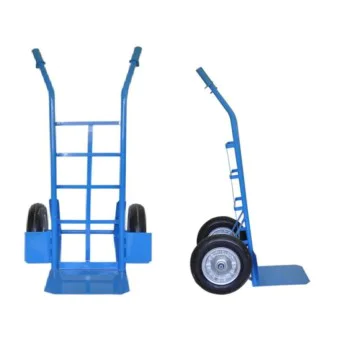
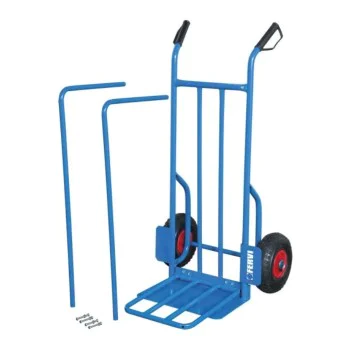
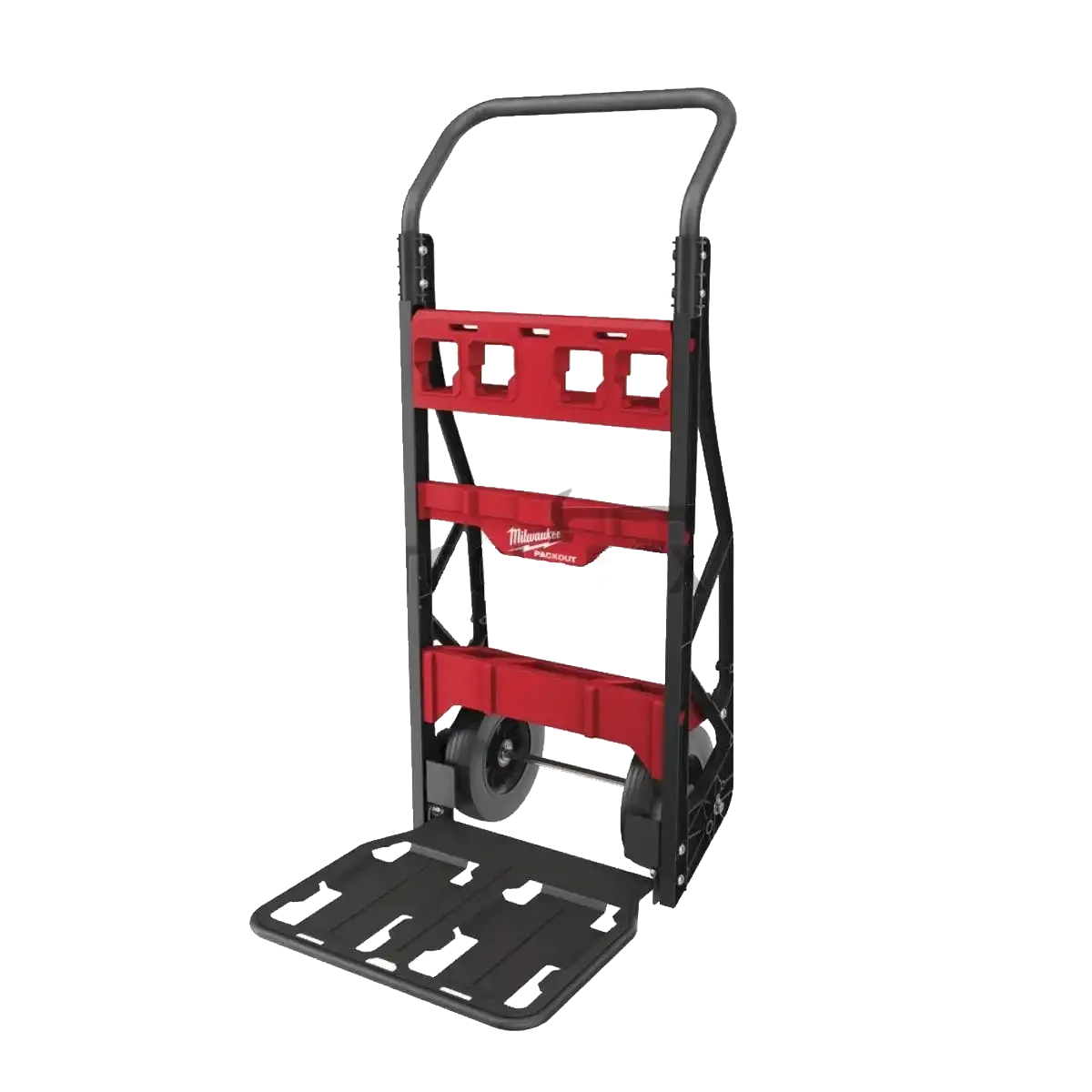
Transport trolley
Hand truck for transporting loads in workshops, warehouses, and during repairs
A transport trolley is a practical manual tool for moving boxes, machines, tools, supplies, parts, and equipment without putting unnecessary strain on your back and arms. It facilitates work during installation, servicing, construction, maintenance, workshop stocking, vehicle loading, or warehouse organization. A well-chosen model reduces the effort required for transport, keeps the load more stable, and helps keep the work area organized.
Toolsbox.bg offers models for professional use and for discerning DIY enthusiasts looking for a manual transport tool for everyday tasks. Transport carts differ in load capacity, platform size, wheel type, handle shape, frame material, and folding mechanism. These parameters determine how it performs on smooth floors, concrete, tiles, ramps, thresholds, or uneven surfaces.
Types of hand trucks based on load and work environment
Individual models are designed for different types of loads and movement. For light boxes, compactness and easy storage are needed, while for machines, metal parts, or heavy tools, the frame, wheels, and stable support are key. Selecting the right model based on the terrain and frequency of use saves time and reduces the risk of damage to the load.
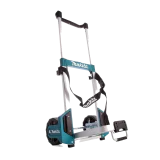
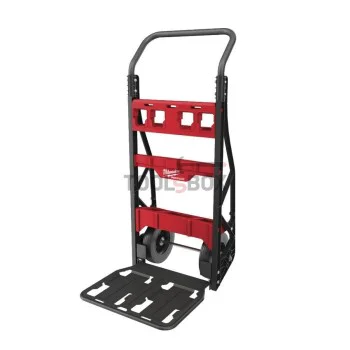
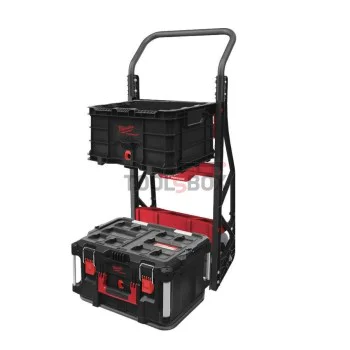
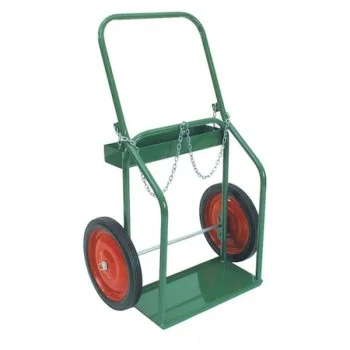
- Platform transport cart-ideal for boxes, tools, crates, small machines, and flat loads. The platform provides good support, and the handle aids maneuvering in a warehouse, service center, or garage.
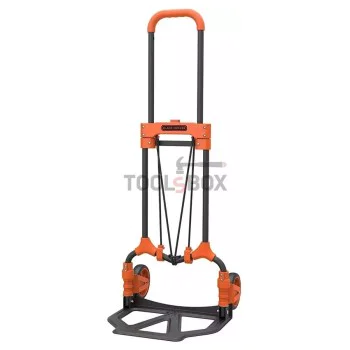
- Folding transport cart-a practical option for cars, mobile installation teams, and home use. The folding frame saves storage space without compromising convenience during short-distance transport.
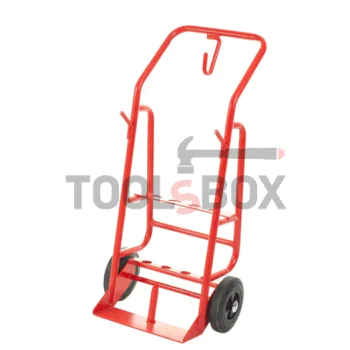
- Two-wheeled transport cart-used for vertical transport of sacks, boxes, appliances, and taller loads. This type is convenient for loading, unloading, and navigating through narrow spaces.
- Transport trolley with side rails-preferred for smaller items or loads that require lateral containment. The side rails help keep the contents in place during turns and stops.
- Stair transport trolley-an option for locations with thresholds, steps, or difficult access. The special wheel configuration helps navigate obstacles with less effort.
Criteria for selecting a transport cart
When choosing a transport cart, consider the expected weight, the dimensions of the load, and the surface on which it will move. The load capacity should have a margin relative to actual use, as frequent loading to the maximum limit shortens the life of the wheels, bearings, and frame. The size of the platform is important when transporting wide boxes, tool cases, or components with non-standard shapes.
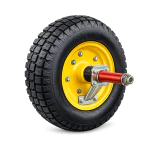
The wheels are crucial for maneuverability. Smaller wheels perform well on flat floors and in tight spaces, while larger ones make it easier to navigate thresholds, joints, ramps, and rough concrete. Rubber and polyurethane wheels reduce noise and protect flooring, while harder options are preferred in rougher work environments. Swivel front wheels are convenient in warehouse aisles, around workbenches, and when turning in tight spaces.
The handle and height affect the operator's posture. A comfortable grip provides better control when pushing or pulling, and foldable handles make transport and storage easier. For heavier loads, look for a wide base, a stable axle, and a steel or aluminum frame depending on the required strength and weight of the cart itself.
Applications in service, construction, warehousing, and the home
A transport cart is useful wherever cargo needs to be moved quickly and in a controlled manner. In a service shop, it helps transport spare parts, batteries, tools, and power tool cases. In construction, they are used for bags, buckets, cladding materials, fasteners, and auxiliary equipment. In a warehouse setting, they facilitate order picking and the movement of boxes between shelves, workbenches, and loading areas.
For home use, the cart is invaluable for moving furniture, appliances, plant pots, firewood, and boxes during renovations or seasonal garage and basement organization. Compact models are easy to store, while sturdier ones offer better stability for regular use with heavy loads.
Safety, Maintenance, and Compatibility with Workflow
Operating a transport cart requires even load distribution and stable placement on the platform or support blade. Heavy items should be positioned low and close to the handle, as this makes maneuvering more manageable. When moving on an incline, the operator must maintain a firm grip and avoid sharp turns that could displace the load.
Regular maintenance extends the service life. Clean the wheels of dust, shavings, small stones, and construction debris. Check the axles, bolts, and folding mechanisms for looseness. For carts with pneumatic tires, monitor the pressure, and for models with bearings, check that the wheels rotate freely. This ensures the cart maintains smooth movement and better handling under load.
Choose a transport cart from Toolsbox.bg based on your actual needs
A good transport cart must be suited to the load, the surface, and the frequency of transport. Browse the available options at Toolsbox.bg and select a model that suits your workshop, service center, warehouse, construction site, or home. This way, you get a practical manual tool for more convenient, safer, and more organized transport of loads.