
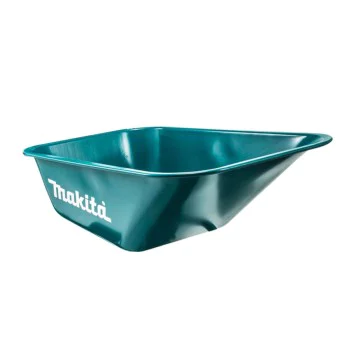
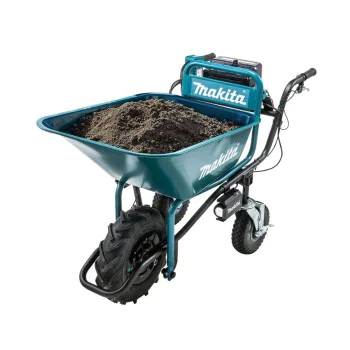
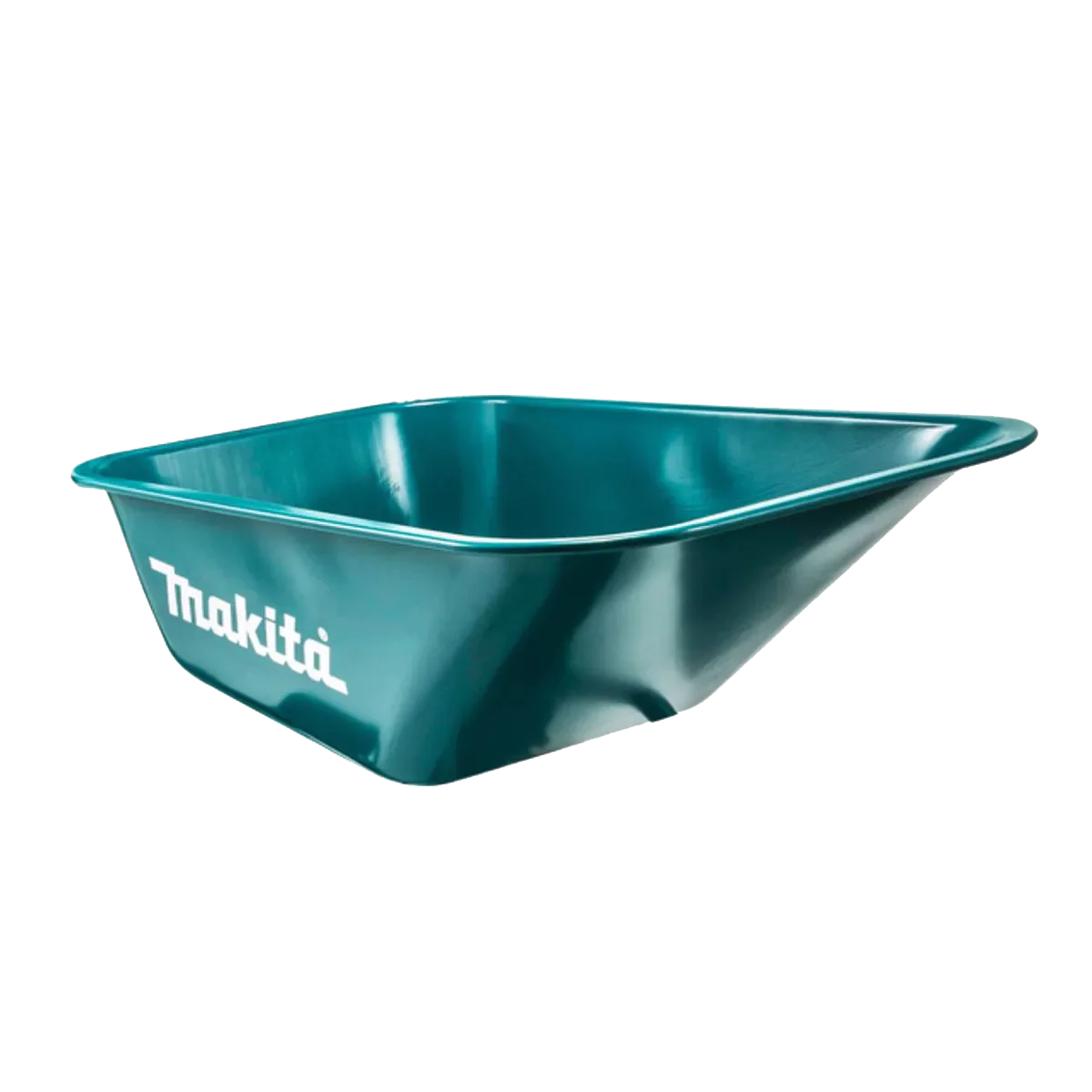
Basket for pram
Cart Basket for Battery-Powered Carts
A cart basket is a cargo container designed to hold bulk materials, tools, bags, wood, yard waste, and construction debris when working with a battery-powered cart. It is one of the parts that承受s the most severe mechanical stress-impact from stones, friction from sand and gravel, pressure from wet soil, and contact with branches, bricks, or metal objects. In case of damage, puncture, deformation, or the need for a different capacity, replacing the basket restores the machine to full working order without having to replace the entire cart.
This section features cargo baskets and trays for battery-powered carts, selected for repairs, service replacements, and adapting the machine to various tasks. They differ in shape, capacity, material, mounting method, and compatibility with specific models. Choosing the right basket facilitates loading, unloading, and maneuvering the truck, and with heavier loads, it protects the frame and drive system from excessive strain.
What is the basket used for?
The basket transforms the battery-powered cart into a convenient transport vehicle for construction, yards, farms, warehouses, workshops, and garden maintenance. The shape of the tray determines whether the material stays secure while in motion, whether it unloads easily, and whether it allows for the transport of bulkier items. Deeper models are suitable for soil, mulch, leaves, compost, and other light but bulky loads. Shallow, wide baskets are practical for boxes, tools, sacks, slabs, or packaged materials.
- In construction, the wheelbarrow is used to transport sand, gravel, cement, bricks, tiles, and renovation debris.
- In the garden, it facilitates the transport of soil, manure, branches, grass, wood, and planting material.
- On the farm, it is used for feed, bales, buckets, tools, and various loads around the yard.
- In a service setting, the new basket is a practical component when restoring a cart with a worn-out or damaged bed.
Materials and Construction of Bins
The material of the basket affects its weight, impact resistance, ease of cleaning, and behavior when exposed to moisture. Metal trays are preferred for rough work involving rocks, construction debris, and heavy loads. Plastic trays are lighter, do not rust, and are easy to clean after working with wet soil, leaves, or organic materials. For any design, the wall thickness, reinforcement around the mounting points, and the shape of the sides are important.
| Bucket type | Character | Suitable work |
|---|---|---|
| Metal bucket | Withstands pressure and impact; requires care if the coating is scratched | Construction materials, rocks, debris, heavy loads |
| Plastic trough | Lighter weight, easy to clean, good moisture resistance | Garden, yard, compost, soil, leaves, light bulky loads |
| High-sided bin | Holds loose material and reduces spillage | Soil, mulch, sand, feed, green waste |
| Low-profile basket | Makes it easier to load and unload larger items | Bags, crates, tools, packaged materials |
Compatibility with the battery-powered cart
The basket must fit precisely onto the frame and unloading mechanism of the specific battery-powered cart. When selecting a basket, check the machine's make and model, the distance between mounting holes, the base shape, and the width, length, and height of the tray. For trucks with a lifting or tilting mechanism, the attachment points must align to ensure normal unloading operation.
The capacity of the bucket should not be considered separately from the truck's load limit. A larger bucket holds more material, but with heavy bulk loads, the machine's load limit is quickly reached. Excessive load strains the motor, battery, wheels, brakes, and frame. For daily work, it is wise to seek a balance between capacity, stability, and maneuverability.
How to Choose the Right Bucket
When replacing a damaged bucket, the most reliable starting point is the dimensions of the old bucket and the mounting configuration. If switching to a different type of bucket, consider the actual loads, the terrain, and the unloading method. In narrow aisles and greenhouses, a more compact bucket makes turning easier. On a construction site, more durable material and reinforced mounting areas are more valuable than low weight.
- Load type: Sharp and heavy materials require a sturdier sidewall and good support against the frame.
- Capacity: A deeper bed is convenient for light bulk materials, but should not lead to overloading.
- Sides: High sides keep the material inside; low sides facilitate manual loading.
- Installation: The mounting holes, brackets, and mounting points must align with the machine.
- Cleaning: The smooth inner surface reduces the buildup of mud, manure, and wet debris.
Installation, Safety, and Maintenance
The installation of a cart bin is performed on a clean and straight frame. Bolts, washers, and bushings must be tightened evenly, without twisting the bin. After the first few operating cycles, it is advisable to inspect the fasteners and retighten them if necessary, as vibrations and heavy loads can loosen loosely secured joints.
When working, do not overload the basket beyond the capacity of the battery-powered cart. Distribute the material evenly, with the heavier portion near the center of the frame. After transporting wet soil, manure, construction mixtures, or materials with corrosive residues, clean the bed to reduce wear and the risk of corrosion on metal models. Regularly inspect the areas around the openings for cracks, bending, or loosening.
A practical choice for repair and maintenance
The cart basket extends the service life of the battery-powered cart and maintains convenience during daily work. The right size, the right material, and compatible mounting save time during loading, unloading, and maintenance. Browse the options at Toolsbox.bg, compare dimensions and mounting points, and select a basket that fits your machine and the load you're working with.